10 Christmas Holiday Hazards Every Pet Owner Should Know
9 min read
1687 words
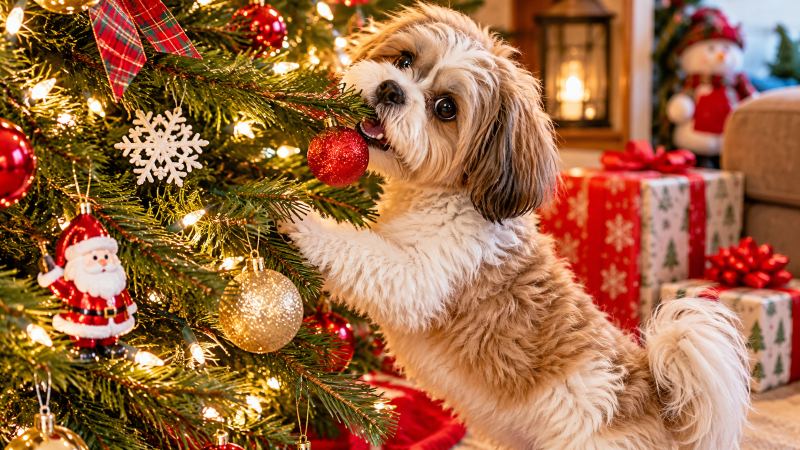
Christmas hazards are something every pet owner should consider as the holiday season approaches. Christmas is an exciting time of year, filled with family gatherings, festive decorations, holiday baking, and plenty of tempting treats around the house. However, the things that make the season special can also introduce unexpected dangers for dogs and cats. From chocolate and holiday leftovers to ribbons, batteries, and seasonal plants, everyday Christmas items can pose serious risks to curious pets. As a pet owner, I know that keeping an eye on what our furry family members are getting into is especially important during the holidays. My Shih-Poo enjoys chewing, so I am always mindful of what I leave within reach, particularly when the house is filled with Christmas decorations and gift-wrapping supplies. If you are decorating for the holidays, you may also find my article on how to make your Christmas tree more pet-friendly helpful. Knowing which common holiday items can be dangerous for pets can help you prepare your home, avoid preventable accidents, and enjoy a safer Christmas together.
1. Chocolate and Christmas Baking
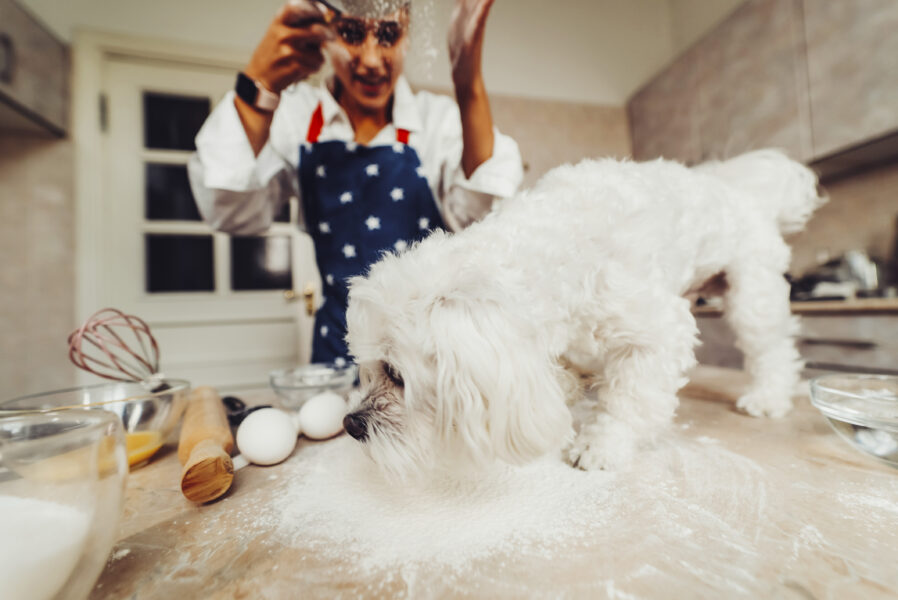
Chocolate is one of the most common Christmas treats, but it can be extremely dangerous for dogs. Chocolate contains theobromine and caffeine, substances that dogs cannot process as efficiently as people. Dark chocolate, baking chocolate, and cocoa powder are particularly concerning because they generally contain higher concentrations of theobromine than milk chocolate. Christmas baking can also contain other ingredients that are unsafe for pets, including raisins, grapes, macadamia nuts, and xylitol, a sweetener found in some sugar-free products. Keep baking trays, chocolate boxes, advent calendars, and candy dishes somewhere your pets cannot reach. If your dog eats chocolate or another potentially toxic ingredient, contact your veterinarian or an animal poison service immediately rather than waiting for symptoms.
2. Grapes, Raisins and Holiday Fruitcakes
Traditional Christmas desserts often contain raisins, currants, and other dried fruits that may seem harmless but can cause serious problems for dogs. Grapes and raisins are associated with acute kidney injury in dogs, and the amount that causes a reaction can be unpredictable. This means even a small quantity should be taken seriously. Christmas puddings, fruitcakes, mince pies, and some festive breads may contain these ingredients, making them particularly important to keep away from pets. Do not leave dessert plates unattended on coffee tables or dining room chairs where a curious dog might help itself. Make sure family members and guests understand that sharing certain holiday foods with pets is not a safe way to include them in the celebrations.
3. Ribbons, Bows and Gift-Wrapping Supplies
Gift wrapping is part of the fun of Christmas, but ribbons, curling ribbon, string, and bows can be dangerous if swallowed. Dogs and cats may be attracted to these items because they move easily and can resemble toys. Swallowing ribbon or string can cause choking or serious intestinal injuries, particularly when a long piece becomes lodged in the digestive tract. Keep scissors, tape dispensers, gift tags, and leftover wrapping materials stored away after wrapping presents. Pick up discarded ribbons and bows immediately rather than leaving them scattered around the living room. If you suspect your pet has swallowed string or ribbon, contact your veterinarian promptly and never pull on a piece that is hanging from the mouth or rear.
4. Poinsettias and Other Christmas Plants
Seasonal plants add colour to holiday decorating, but some can cause problems for pets. Poinsettias are often described as highly poisonous, although their toxicity is generally milder than many people believe. Their milky sap can irritate a pet’s mouth and stomach, potentially causing drooling, vomiting, or discomfort. Other festive plants deserve greater caution, particularly lilies, which are extremely dangerous to cats and can cause life-threatening kidney damage. Holly and mistletoe can also cause illness if eaten, depending on the plant and the amount consumed. If you have pets that chew leaves or investigate plants, consider choosing artificial alternatives or placing seasonal greenery completely out of reach.
5. Batteries and Small Electronic Decorations
Batteries are easy to overlook when thinking about Christmas pet safety, but they can pose a serious hazard. Many holiday decorations, remote-controlled toys, flameless candles, and light-up ornaments contain small batteries that can be swallowed by curious dogs or cats. Button batteries are especially concerning because they can cause serious tissue damage if lodged in the digestive tract. Chewed batteries may also leak irritating or corrosive substances. Keep spare batteries in their original packaging and store them somewhere pets cannot access. When replacing batteries in Christmas decorations, make sure the compartment is securely closed and dispose of old batteries properly. Never leave loose batteries on a coffee table, beside the television, or in an open gift box.
6. Candles and Open Flames
Candles create a warm, inviting atmosphere during the holidays, but they can easily be knocked over by an excited dog or a curious cat. A wagging tail, jumping pet, or passing paw can cause a candle to fall, potentially resulting in burns or a fire. Even when a candle remains upright, pets can accidentally brush against the flame or knock over nearby decorations. Consider using flameless LED candles as a safer alternative, particularly in rooms where your pets spend most of their time. If you choose to burn traditional candles, place them on stable surfaces well beyond your pet’s reach and never leave them unattended. Remember to extinguish every candle before leaving the room or going to bed.
7. Alcohol and Holiday Drinks
Holiday gatherings often mean wine, cocktails, beer, and other alcoholic beverages are being served throughout the evening. While guests may leave drinks on coffee tables or within reach of pets, alcohol can be toxic to both dogs and cats. Even relatively small amounts can cause vomiting, poor coordination, unusual behaviour, and dangerous changes in body temperature or breathing. Dogs may also be attracted to sweet mixed drinks, eggnog, and beverages containing other ingredients that are unsuitable for them. Ask guests to keep their drinks off the floor and avoid leaving unattended glasses where pets can reach them. If you suspect your pet has consumed alcohol, contact a veterinarian immediately for advice.
8. Fatty Foods and Leftover Christmas Dinner
It can be tempting to share a little Christmas dinner with your dog, especially when everyone else is enjoying a special meal. However, rich holiday foods can cause digestive upset and may contribute to pancreatitis in dogs. Turkey skin, gravy, butter-rich vegetables, fatty meat trimmings, and heavily seasoned leftovers are not suitable treats. Cooked turkey and chicken bones are another concern because they can splinter and cause choking or injuries to the digestive tract. Keep serving dishes, rubbish bags, and food scraps away from curious pets, particularly after a large family meal. If you want your dog to enjoy something special, choose a small portion of plain, boneless, fully cooked turkey without seasoning, provided it agrees with your pet.
9. Holiday Guests and an Open Front Door
Christmas gatherings can be overwhelming for pets that are not accustomed to having lots of people in the house. With guests arriving, children playing, and doors opening and closing, there is an increased opportunity for a dog or cat to slip outside unnoticed. A pet that becomes frightened by unfamiliar visitors or loud celebrations may also try to hide or escape. Consider creating a quiet, comfortable space where your pet can relax away from the busiest areas of the home. Let guests know not to feed your pet table scraps or leave exterior doors open. Make sure your pet’s identification tags and microchip information are current in case an unexpected escape does occur.
10. Tinsel, Garland and Small Christmas Decorations
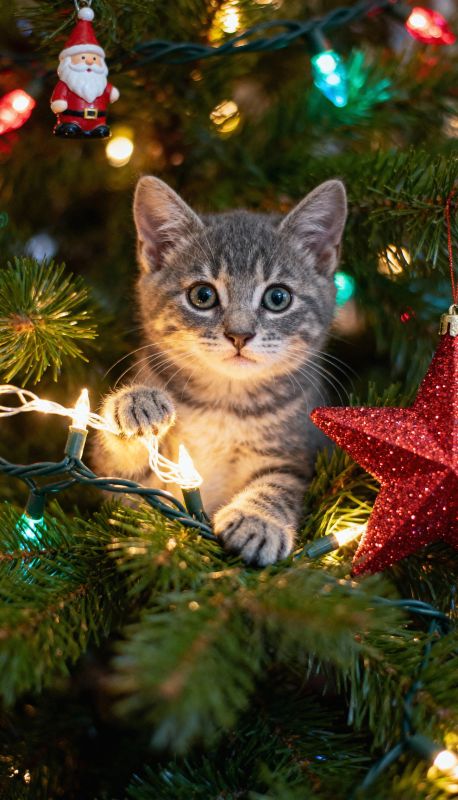
Shiny tinsel, sparkling garland, and small Christmas decorations can be particularly tempting for curious dogs and cats. Their movement and reflective surfaces may look like toys, encouraging pets to paw at them, chew them, or swallow pieces. Tinsel is especially dangerous for cats because it can become lodged in the digestive tract and cause serious intestinal injuries. Dogs can also experience choking or intestinal blockages after swallowing decorative materials. Be cautious with small decorative bells, beads, artificial berries, and miniature ornaments that can easily fall from branches or become separated from larger decorations. If your pet enjoys chewing or investigating Christmas decorations, consider leaving tinsel off your tree altogether and choosing larger, securely attached decorations instead. Regularly check underneath your Christmas tree and around the room for fallen pieces that your pet might discover.
What Should You Do If Your Pet Eats Something Dangerous?
Despite taking precautions, accidents can happen, especially when the house is busy and everyone is distracted by holiday activities. If your dog or cat eats chocolate, raisins, a battery, ribbon, medication, or another potentially dangerous item, contact your veterinarian or an animal poison service immediately. Do not assume that your pet is safe simply because there are no immediate symptoms. Some toxic substances can take time to cause noticeable illness, and early treatment can be important. If possible, keep the product packaging, ingredient list, or a photograph of the item available so you can provide accurate information about what your pet may have swallowed. Never try to induce vomiting or give home remedies unless a veterinary professional specifically instructs you to do so.
Make Pet Safety Part of Your Christmas Preparations
Christmas should be a time for making memories with the people and animals we love. A little preparation can help prevent holiday accidents and make the season more enjoyable for everyone in your household. Before guests arrive, take a few minutes to check where food, decorations, wrapping supplies, and other potentially dangerous items are being stored. Remind children and visitors that not every Christmas treat is safe for pets, even when they are offered with good intentions. As pet owners, we cannot watch our animals every second, but we can make thoughtful choices that reduce unnecessary risks. If you are looking for more ways to protect your furry family members around the Christmas tree, read How to Make Your Christmas Tree More Pet-Friendly. After all, our pets are part of the family, and keeping them safe is one more way to make Christmas a little brighter.