The Benefits of Fresh Juicing: What You Should Know
10 min read
1954 words
Fresh juicing has become a popular way for people to enjoy fruits and vegetables in a different form. Whether you are looking for new ways to use fresh produce, enjoy a refreshing drink or add more variety to your daily routine, making juice at home can be an interesting option. One of the appealing things about owning a juicer is having the freedom to experiment with different ingredients, adjust flavours to your liking and know exactly what goes into your glass.
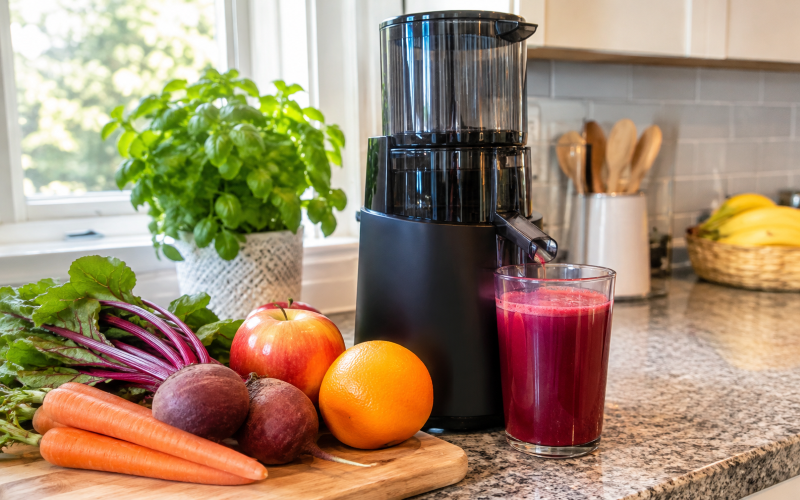
My interest in juicing grew after we started using a Hurom H70 juicer at home. My husband enjoys making carrot and beet juice, while I have experimented with oranges, apples, carrots and other ingredients. I quickly discovered that making juice at home is different from simply picking up a bottle at the grocery store. You can taste the individual ingredients, adjust the combinations and decide whether you prefer something naturally sweet, slightly tart or more vegetable-based. It has also given us another reason to use fresh produce in the kitchen.
Why Do People Enjoy Fresh Juicing?

One of the biggest attractions of fresh juicing is the opportunity to enjoy a variety of fruits and vegetables in a convenient drink. Some people enjoy a glass of freshly made orange juice in the morning, while others prefer vegetable combinations featuring carrots, beets, celery or cucumber. The possibilities are quite varied, and finding combinations that appeal to your taste can be part of the enjoyment.
Juicing can also encourage people to experiment with produce they might not normally purchase. Someone who regularly eats apples and oranges might discover that they enjoy combining apples with carrots and a little ginger. Others may enjoy adding cucumber or celery to create a lighter vegetable juice. Trying different ingredients can make preparing fruits and vegetables more interesting, especially when you are looking for new ways to use what you already have in the refrigerator.
Another appealing aspect of homemade juice is having control over the ingredients. When you prepare it yourself, you can avoid added sugars, artificial flavours and other ingredients that may be included in some commercial juice products. You can also adjust the sweetness by changing the proportions of fruit and vegetables rather than relying on a ready-made combination.
Fresh Juice Provides Vitamins and Minerals
Fruits and vegetables contain a variety of vitamins, minerals and naturally occurring plant compounds. Depending on the ingredients used, fresh juice can provide nutrients such as vitamin C, potassium and antioxidants. The amount and type of nutrients will vary depending on the produce, its freshness and the juicing method.
Oranges, for example, are well known for their vitamin C content, while carrots provide beta-carotene, which the body can convert into vitamin A. Beets contain naturally occurring plant compounds, and apples contribute flavour along with vitamin C and other plant substances. Combining different fruits and vegetables can create a drink with a range of nutrients, although the nutritional value depends on what you put into the juicer.
It is important to understand that juicing does not make fruits and vegetables more nutritious than eating them whole. It simply provides another way to enjoy some of their nutrients. Whole produce remains an important part of a balanced eating pattern because it provides fibre that is often reduced or removed during the juicing process.
Juicing Versus Blending: Understanding the Difference
Although juicing and blending are sometimes discussed together, they produce quite different results. A juicer separates liquid from much of the solid pulp, leaving you with a thinner drink. Depending on the machine and ingredients, much of the insoluble fibre remains in the leftover pulp.
A blender, on the other hand, processes the whole fruit or vegetable, retaining the fibre unless the mixture is strained afterward. Smoothies are generally thicker and can include additional ingredients such as yogurt, milk, oats or nut butter. They can also be a practical way to use ingredients that might not be suitable for juicing.
Neither method is automatically better for everyone. If you enjoy a lighter drink with a smooth consistency, juicing may appeal to you. If retaining the fibre from whole fruits and vegetables is important to you, blending may be a better choice. Fibre supports digestive health and helps with feelings of fullness, which is why fresh juice should not be treated as a replacement for eating whole produce.
Choosing Fruits and Vegetables for Homemade Juice

One of the enjoyable parts of making juice at home is discovering which combinations you like. You do not need complicated recipes or expensive ingredients to get started. A few familiar fruits and vegetables can produce a refreshing drink, and you can gradually experiment with different flavours as you become more comfortable using your juicer.
Oranges make a refreshing juice with a naturally sweet citrus flavour, while apples can add sweetness to vegetable combinations. Carrots produce a mild, naturally sweet juice that works well with apples and oranges. Beets have a stronger, earthy flavour, so combining them with apple or orange can help balance the taste. Cucumber and celery can add a lighter, refreshing quality, while lemon and ginger provide a more noticeable flavour.
When trying a new combination, it is worth starting with smaller quantities. Some vegetables have much stronger flavours than others, and you may find that a little goes a long way. I have enjoyed experimenting with different ingredients because it gives me the opportunity to discover combinations that suit my own preferences rather than following a recipe exactly.
What Can You Do With Leftover Juicer Pulp?
One consideration when making fresh juice is the leftover pulp. Depending on the type of juicer and the ingredients you use, you may have a fair amount of fruit and vegetable material remaining after each batch. It can seem wasteful to discard it, particularly when you have purchased fresh produce specifically for juicing.
Fortunately, some leftover pulp can be used in other recipes. Carrot pulp, for example, may be suitable for muffins, quick breads, soups or vegetable patties. Apple pulp can sometimes be incorporated into baking, while certain vegetable pulps can add texture to homemade soups and sauces. The flavour and moisture content will vary, so it may take a little experimenting to find uses that work well.
If you are not planning to use the pulp immediately, refrigerate it promptly in a covered container and use it within a short period. You can also compost suitable fruit and vegetable scraps. Making use of the pulp is one small way to reduce kitchen waste, although not every ingredient or batch will be suitable for another recipe.
Is Fresh Juice a Healthy Choice?
Fresh juice can be part of a varied eating pattern, but it is important to have realistic expectations about what it offers. Juice contains nutrients from the fruits and vegetables used to prepare it, but it does not provide the same amount of fibre as eating those ingredients whole. It is also possible to consume several pieces of fruit in one glass without feeling as full as you might after eating the whole fruit.
Fruit juice can contain a considerable amount of naturally occurring sugar. Even when no sugar has been added, the amount can add up when several pieces of fruit are used. This is worth considering when choosing ingredients and deciding how much juice to drink. For a less sweet drink, try using more vegetables and smaller amounts of fruit to add flavour.
People who are managing blood glucose levels or following specific dietary advice may want to discuss suitable ingredients and portions with their healthcare professional. Fresh juice is not a treatment for a medical condition, nor does it replace a balanced eating pattern. It is simply another way to enjoy some of the nutrients found in fruits and vegetables.
Making Juicing Part of Your Everyday Routine
You do not need to make juice every day to enjoy having a juicer at home. Some people like preparing a fresh drink in the morning, while others use their machine occasionally when they have produce that needs to be used. Finding a routine that fits your household is more practical than feeling that you must juice on a particular schedule.
Preparing ingredients ahead of time can make the process easier, although fruits and vegetables should be stored properly to maintain freshness. Washing produce before juicing and following the manufacturer’s instructions for preparation will also help. Cleaning the machine after use is another important consideration. Removing pulp and rinsing the parts promptly can make cleanup easier than allowing leftover ingredients to dry.
Freshly prepared juice is best enjoyed soon after making it. If you need to store some, transfer it to a clean, airtight container and refrigerate it promptly. Follow food safety recommendations and your juicer manufacturer’s guidance for storage. Homemade juice does not have the same shelf life as commercially processed products, so it is best not to prepare more than you expect to use.
Is a Home Juicer Worth the Investment?
Whether a home juicer is worth purchasing depends on how often you expect to use it, the types of juice you enjoy and how much time you are willing to spend preparing and cleaning the machine. A juicer can be a useful kitchen appliance for someone who regularly enjoys fresh juice, but it may not be a worthwhile investment for someone who only plans to use it occasionally.
Before purchasing one, consider the size of the machine, how easy it is to assemble and clean, how much counter space it requires and whether it can handle the fruits and vegetables you intend to use. Price is another consideration, particularly when comparing basic models with more expensive slow juicers. Reading reviews from people who have actually used a particular machine can help you understand its practical advantages and limitations.
For our household, having a juicer has given us another way to enjoy fresh produce. My husband has his favourite carrot and beet combinations, while I enjoy trying different fruits and vegetables to see what works together. I have also appreciated having the opportunity to make juice at home rather than relying entirely on store-bought varieties.
I shared more about our experience in my Hurom H70 Juicer Review, including what we liked about the machine, its features and what it is like to use in our kitchen.
Enjoying Fresh Juice Without Overcomplicating It
Fresh juicing does not have to involve complicated recipes, expensive ingredients or strict routines. Sometimes a simple combination of apples and carrots is all you need to make a refreshing drink. Other times, experimenting with beets, oranges, cucumber or ginger can introduce flavours you might not have considered before. The enjoyment often comes from discovering what you like and finding practical ways to use the produce you already have.
It is also worth remembering that juice is only one way to enjoy fruits and vegetables. Eating whole produce provides fibre and other benefits that should not be overlooked. When enjoyed in reasonable portions alongside a variety of whole foods, homemade juice can be a pleasant addition to your kitchen routine. For me, part of the appeal has been experimenting with different ingredients and discovering which combinations my family enjoys.
Disclaimer: This article is for general informational purposes only and is not intended to replace professional medical or nutritional advice. The nutritional content of fresh juice varies depending on the ingredients and preparation method. Juicing removes some of the fibre found in whole fruits and vegetables, and fruit juice can contain significant amounts of naturally occurring sugar. If you have a medical condition, are managing blood glucose levels or have specific dietary concerns, consult a qualified healthcare professional about whether fresh juicing is appropriate for you.