What to Do After a Fall: When to Seek Medical Help
9 min read
1749 words
A fall can happen in seconds, but the consequences can last much longer. Sometimes a person gets up, brushes themselves off and carries on with the day. Other times, what initially appears to be a minor accident turns into a serious injury requiring medical attention, treatment and rehabilitation. Knowing what to do after a fall, recognizing the signs of a potentially serious injury and understanding how to support someone during recovery can make an important difference.
Falls have affected several members of my own family, and each experience has reminded me how unpredictable they can be. My husband’s aunt recently fell down a flight of stairs and fractured her neck. My husband has also taken a fall and injured his hip. I have experienced two significant falls myself. One resulted in a knee injury that required physiotherapy, while another left me with a concussion. These experiences have made the subject much more personal to me. They have also taught me that a fall should never automatically be dismissed as a minor accident.
What Should You Do Immediately After Someone Falls?
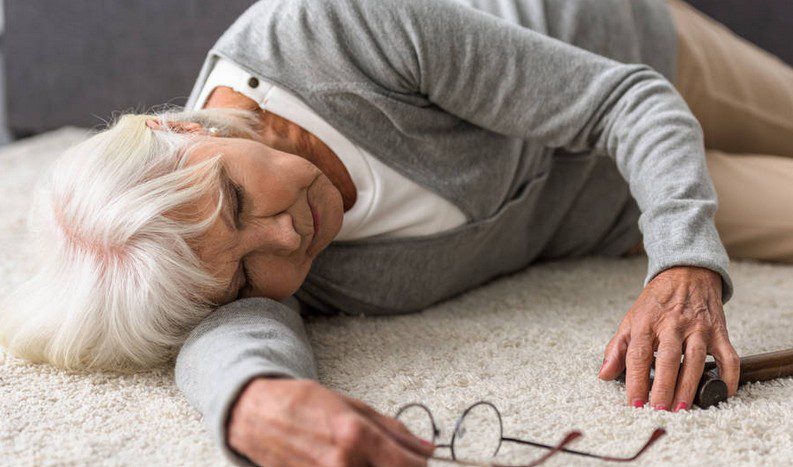
When someone falls, the natural reaction is often to rush over and help them get back on their feet. However, that is not always the safest response. Before attempting to move the person, take a moment to assess the situation. Are they conscious and able to speak? Are they experiencing pain? Did they hit their head? Do they have an obvious injury or difficulty moving? These are important questions because moving someone with a possible serious injury could make matters worse.
If the person has severe pain, appears seriously injured, has lost consciousness, is confused or may have injured their head, neck, back or hip, call 911. Do not attempt to lift them or move them unnecessarily if a serious injury is suspected. Keep them as comfortable as possible while waiting for emergency assistance, reassure them and stay with them if you can. If they are unable to get up, do not try to lift them by yourself. If they are alone and have access to a phone or medical alert device, they should use it to request help.
If someone appears uninjured and can move comfortably, they should still take their time rather than rushing to stand. Getting up too quickly can cause dizziness or another loss of balance. Even when a person feels embarrassed or insists they are fine, it is worth checking how they feel and watching for symptoms that may develop afterward. The Public Health Agency of Canada’s guide, If You Fall or Witness a Fall, Do You Know What to Do?, provides useful guidance for people who experience or witness a fall.
When Should You Seek Medical Attention After a Fall?
One of the biggest mistakes people can make is assuming that no obvious injury means no injury at all. Pain, swelling, bruising and difficulty moving may become more noticeable after the initial shock has passed. Some symptoms can also develop later, which is why it is important not to dismiss new or worsening symptoms simply because someone seemed all right immediately after the accident.
A medical assessment is important if someone experiences significant or persistent pain, difficulty walking or putting weight on a limb, dizziness, weakness, headaches, nausea, vision changes or unusual drowsiness after a fall. A suspected fracture or significant injury needs prompt medical attention. If someone cannot stand or walk after falling, particularly when they have hip or leg pain, they should not be encouraged to try to walk it off.
Head injuries deserve particular attention. A person can sustain a concussion after striking their head during a fall, and symptoms are not always immediately obvious. A worsening headache, repeated vomiting, increasing confusion, unusual behaviour, difficulty staying awake, a seizure, weakness or problems with speech or coordination are warning signs that require emergency medical attention. If a serious head injury is suspected, call 911 rather than driving the person yourself. Older adults who take blood-thinning medication should also seek prompt medical advice after a head injury, even if they initially feel well, because these medications can increase the risk of bleeding.
It is also worth telling a healthcare professional about a fall that seems unexplained. Dizziness, changes in vision, medication side effects and other health concerns can contribute to a fall. Understanding what happened may help identify whether further assessment is needed.
Why Some Falls Cause Serious Injuries
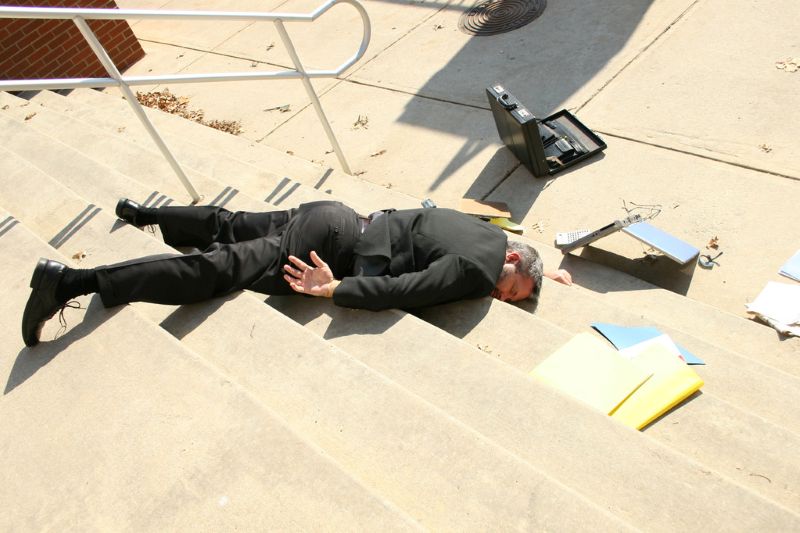
My husband’s aunt’s recent accident is a frightening reminder of how serious a stairway fall can be. She fell down the stairs and fractured her neck. Most of us use stairs regularly without giving them much thought. We carry laundry, groceries and household items, sometimes while distracted or in a hurry. However, a fall down a flight of stairs can involve several impacts, and the resulting injuries may affect the head, neck, back, shoulders, hips or limbs.
A suspected neck or spinal injury needs particularly careful handling. Even if someone is conscious and able to talk, that does not necessarily mean it is safe to move them. If you witness someone fall down stairs, resist the urge to pull them up or help them walk away. Check whether they are responsive, ask about pain without forcing them to move and call 911 if a serious injury is possible.
Not every fall results in the same type of injury. Some people experience bruises, scrapes or muscle strains, while others sustain fractures, joint injuries or head trauma. People may instinctively reach out with their hands to break a fall, resulting in wrist, arm or shoulder injuries. Landing awkwardly can also injure the knees, hips or back. The seriousness of an injury depends on several factors, including the circumstances of the fall, the surface involved, how the person lands and their overall health.
My husband has also experienced a fall that injured his hip. Hip pain after a fall should never be ignored, particularly if someone has difficulty standing or putting weight on that leg. Hip injuries can make walking, sitting, standing and managing everyday activities challenging. They can also require medical treatment and a period of rehabilitation, depending on the nature of the injury.
My Own Experiences With Falls
I have learned firsthand that a fall does not have to happen in an unusual or unfamiliar place to cause an injury. One of my falls happened in our bathroom after my daughter had sprayed the room with air freshener. I fell and injured my knee badly enough that I needed physiotherapy. It was an unexpected accident in a room I use every day, and the injury affected my mobility and ordinary activities while I recovered.
In 2020, during the COVID-19 pandemic, I took a bad fall on the ice in my driveway while taking my young daughter to the school bus. I suffered a concussion. I was simply doing something that was part of our normal morning routine when the accident happened. That experience made me much more aware of how dangerous winter conditions can be, even on familiar surfaces such as our own driveways and walkways. I wrote about that experience and winter safety in my article, Winter Slip and Fall Prevention: Stay Safe on Ice.
My concussion also reinforced the importance of taking head injuries seriously. Someone may not have a visible injury, but that does not mean everything is fine. A person who hits their head should pay attention to symptoms and seek appropriate medical advice. If serious warning signs develop, emergency care is necessary.
Recovery Can Take Longer Than Expected
Once the immediate medical concerns have been addressed, recovery becomes the next challenge. Depending on the injury, someone may need follow-up appointments, physiotherapy, rehabilitation, medication or temporary assistance with everyday activities. Even an injury that does not require surgery can interfere with walking, climbing stairs, getting dressed, preparing meals and managing household responsibilities.
My knee injury required physiotherapy, which gave me a personal appreciation for how an injury can affect ordinary movements. Recovery is not always a matter of waiting for the pain to disappear. Rebuilding strength, restoring movement and gradually returning to everyday activities can take time. Physiotherapy may be recommended to help restore movement, strength, balance and function after certain injuries. The treatment plan should be based on the individual’s condition and guided by an appropriate healthcare professional.
In Ontario, some people may qualify for publicly funded physiotherapy services through participating clinics. Eligibility depends on individual circumstances. The provincial resource, Physiotherapy Clinics: Government-Funded, explains who may qualify and how to find services.
Families can make a meaningful difference during recovery by offering transportation to appointments, helping with household tasks and being patient when someone needs extra time. At the same time, it is important to respect the person’s independence where possible. Someone recovering from an injury may appreciate assistance, but they should also be encouraged to do what they can safely manage with appropriate guidance.
The Emotional Impact of Falling
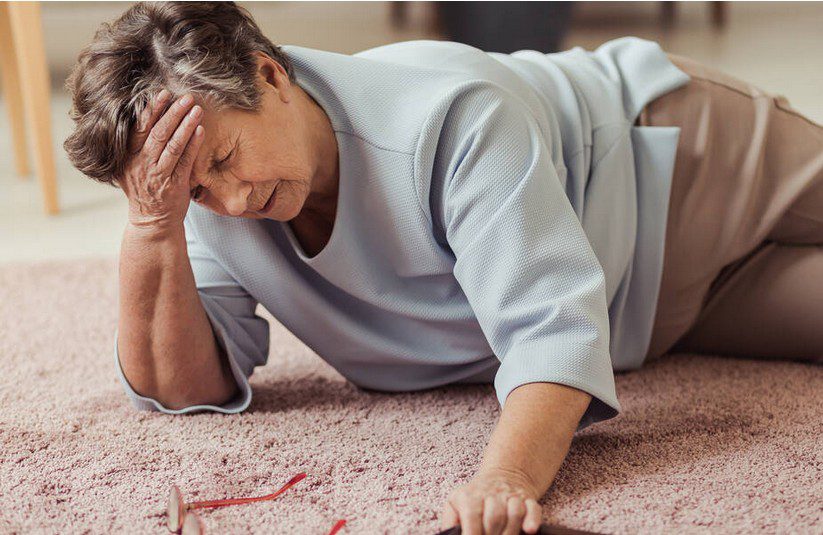
The physical injury is only part of the experience. After a frightening fall, some people become nervous about walking, using stairs or being alone. They may worry about falling again, particularly if their previous accident resulted in a serious injury. Someone who once enjoyed going for walks or running errands may begin avoiding those activities because they no longer feel confident.
Families should take these concerns seriously rather than dismissing them as unnecessary worry. Listen to what makes the person feel unsafe and encourage them to discuss their concerns with a healthcare provider or physiotherapist. A gradual return to appropriate activities, with professional guidance when needed, may help rebuild confidence. Recovery is different for everyone, and someone who has sustained a fracture or head injury may need considerably more time and support than someone recovering from a minor strain.
It is also important to remember that repeated falls deserve attention. A second or third fall should not simply be written off as bad luck. Balance difficulties, changes in vision, dizziness, medication effects, muscle weakness and certain health conditions can all contribute to falls. If someone has fallen more than once, they should discuss it with their healthcare provider. Keeping a record of when the falls happened, what the person was doing and whether they experienced symptoms beforehand may help with an assessment.
Ontario Health’s Falls in Adults: Care in All Settings quality standard discusses individualized fall-risk assessment, medication review and appropriate rehabilitation and prevention support. It is a useful resource for understanding why falls should be discussed with healthcare professionals rather than treated