5 Women’s Fashion Trends Taking Over in 2026
4 min read
700 words
Fashion trends in 2026 is embracing a spirit of confident individuality, blending nostalgic silhouettes with forward-thinking materials and technology. From city streets to runway shows, this year’s trends reflect a desire for pieces that feel personal, versatile, and built to last. Whether you’re refreshing your wardrobe or simply curious about what’s shaping the industry, here are five standout fashion trends defining women’s clothing style this year.
1. Sculptural Tailoring Takes Center Stage
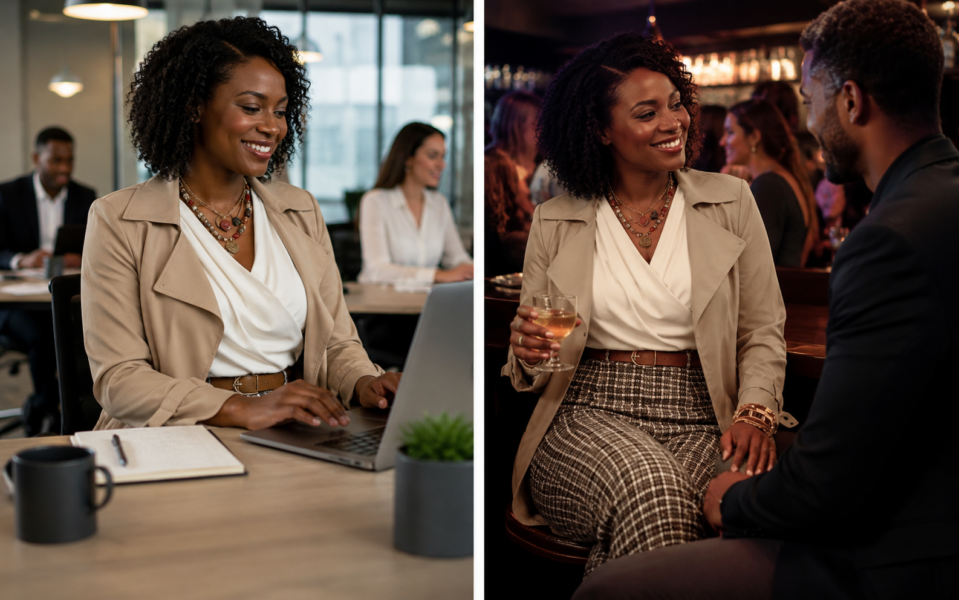
Structured, architectural silhouettes are dominating both workwear and eveningwear this year. Sharp shoulders, exaggerated lapels, and precisely cinched waists are replacing the relaxed, oversized fits that dominated recent seasons. Designers are experimenting with fabric manipulation to create garments that hold their shape and move with intention, turning a simple blazer or dress into a statement piece. This shift signals a broader return to craftsmanship, where the construction of a garment is just as important as the fabric itself. Expect to see more women investing in tailored pieces that transition seamlessly from the office to evening events, proving that structure and sophistication never truly go out of style.
2. The Return of Rich, Tactile Materials
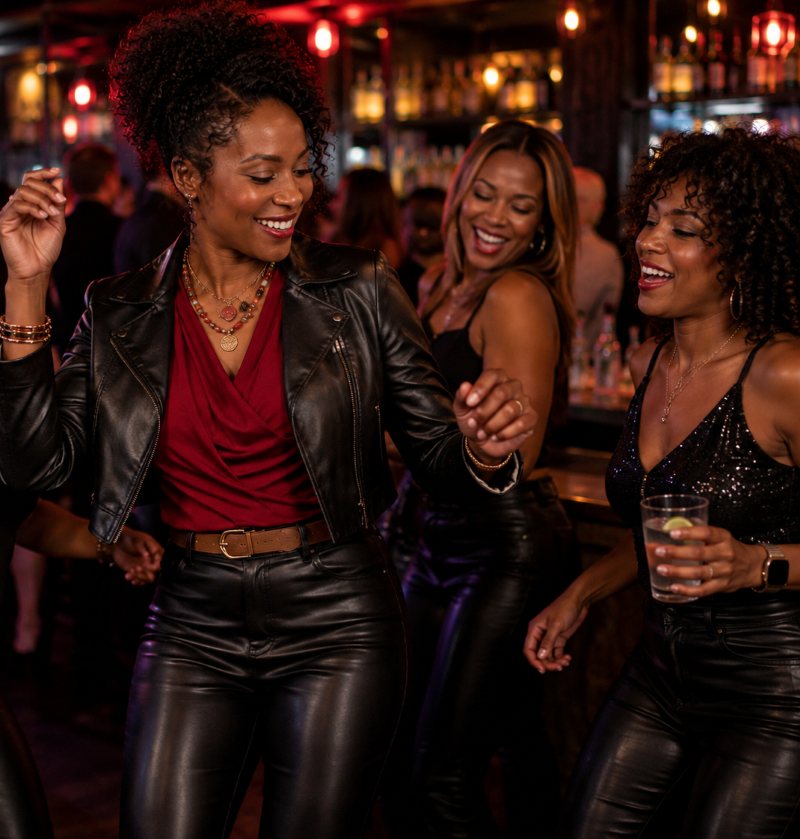
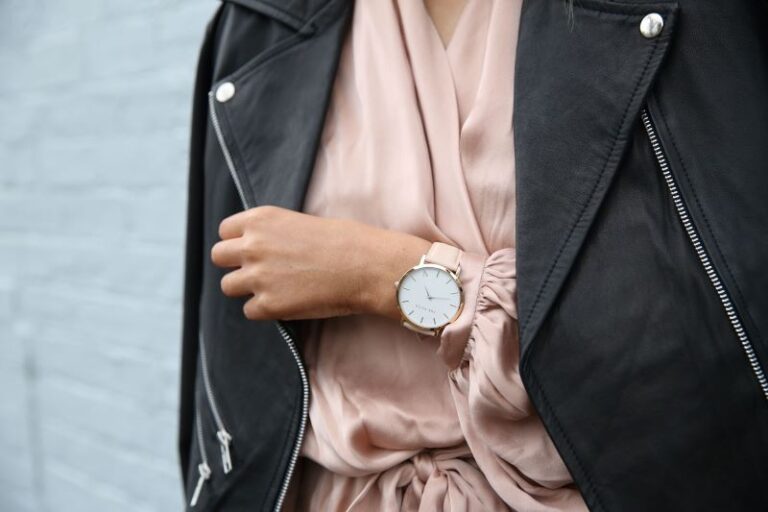
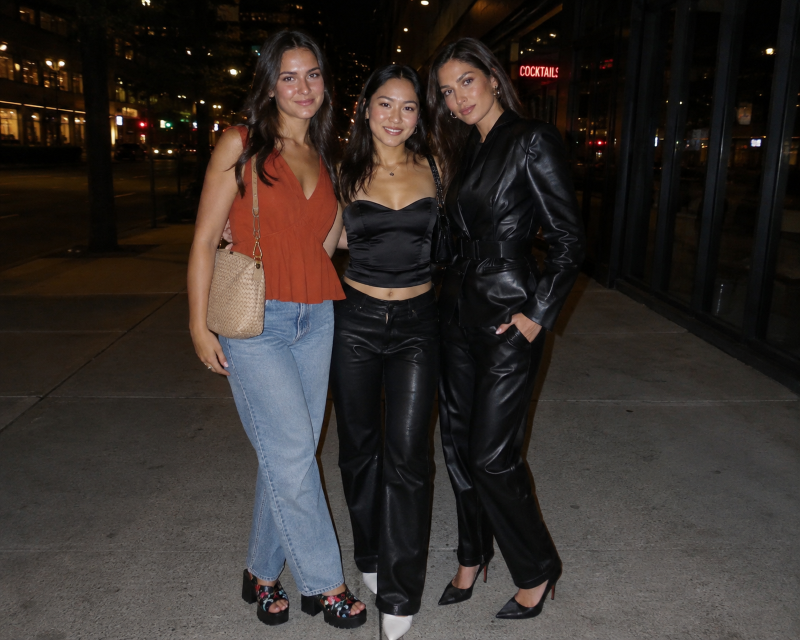
Texture is having a major moment in 2026, with designers leaning into materials that feel as luxurious as they look. Suede, tweed, and richly finished textiles are appearing across collections, adding depth and dimension to otherwise minimalist designs. Among these, luxury leather clothing has emerged as a defining category, with buttery-soft jackets, tailored trousers, and sculpted skirts offering both durability and a refined aesthetic that pairs well with almost any style. This renewed appreciation for premium materials reflects a broader consumer shift toward quality over quantity, as shoppers seek investment pieces that age gracefully rather than fast-fashion items with a short lifespan.
3. Bold Color Blocking Makes a Comeback
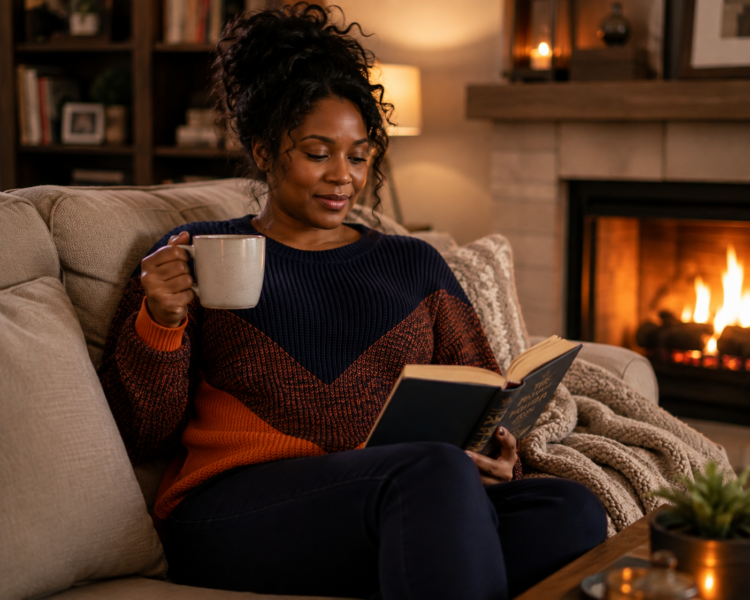
After several seasons dominated by muted neutrals and soft pastels, 2026 is bringing color back in a big way. Designers are pairing unexpected hues, think cobalt blue with burnt orange, or emerald green with fuchsia, to create striking, energetic outfits. Color blocking isn’t just about contrast; it’s about confidence. This trend encourages experimentation, whether through a single statement piece like a coat or bag, or a fully coordinated look built around complementary tones. Retailers have responded by expanding their color palettes across categories, making it easier than ever to incorporate this playful, expressive trend into everyday wardrobes without sacrificing versatility.
4. Sustainable and Circular Fashion Gains Momentum
Sustainability continues to shape how collections are designed, produced, and marketed in 2026. Brands are increasingly transparent about sourcing, favoring recycled fabrics, low impact dyes, and production methods that reduce waste. Beyond materials, circular fashion models, including resale platforms, garment rental services, and repair programs, are becoming mainstream rather than niche. Consumers are asking more questions about where their clothing comes from and how long it will last, pushing brands to prioritize longevity and ethical practices alongside style. This trend reflects a broader cultural shift. Fashion is no longer just about appearance, but about the values and impact behind each purchase.
5. Statement Accessories Redefine Simplicity
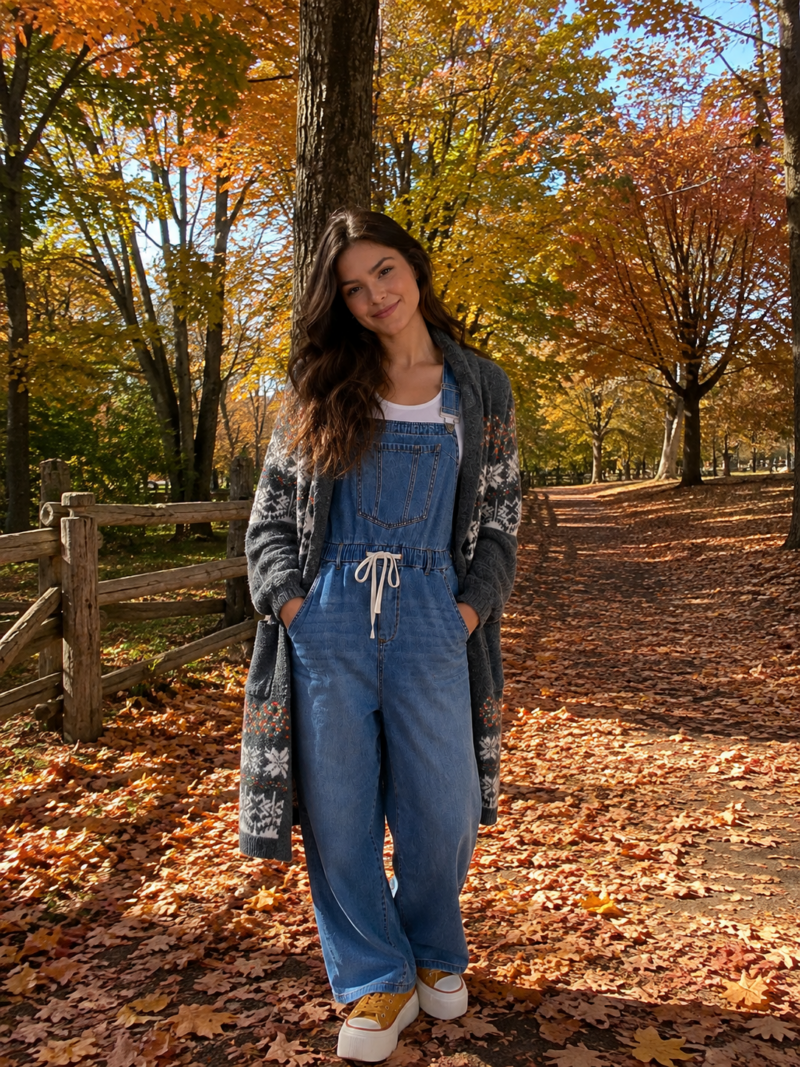
While garments themselves are becoming bolder in some respects, accessories are stepping up to do the heavy lifting in otherwise pared-back outfits. Oversized earrings, sculptural handbags, and chunky footwear are transforming simple silhouettes into eye-catching looks. This trend allows for flexibility, as a single accessory can shift an outfit’s entire mood without requiring a full wardrobe overhaul. Minimalist dressing paired with maximalist accessories has become a favorite formula among stylists, offering an accessible entry point for those looking to experiment with 2026’s aesthetic without committing to dramatic changes in their core clothing choices.
Conclusion
As these trends illustrate, 2026 is a year defined by contrast, structured tailoring alongside expressive color, minimalist forms balanced by bold accessories, and a growing emphasis on sustainability without sacrificing style. What ties these movements together is a broader desire for authenticity and intentionality in fashion choices. Rather than chasing fleeting trends for their own sake, today’s shoppers are gravitating toward pieces that reflect their personal values and stand the test of time. Whether through investing in well made staples, experimenting with color, or supporting more responsible production practices, women’s fashion in 2026 offers something for every style sensibility. As the year progresses, expect these trends to continue evolving.