Sarcopenia Prevention: Protect Muscle as You Age
6 min read
1134 words
Aging affects far more than our appearance. It can influence our ability to move comfortably, maintain balance, and continue doing the activities we enjoy. While many people assume losing strength is simply an unavoidable part of getting older, much of this decline is linked to a condition known as sarcopenia. Sarcopenia is the gradual loss of muscle mass, muscle strength, and physical function that often begins in midlife and becomes more noticeable as we age. It can affect independence, increase the risk of falls, and make everyday tasks more challenging. The good news is that muscle loss is not something we have to simply accept. Sarcopenia prevention focuses on protecting and maintaining muscle through regular movement, proper nutrition, and healthy lifestyle choices. Understanding how our bodies change with age allows us to take action and support a stronger, healthier future.
What Is Sarcopenia? Understanding Age-Related Muscle Loss
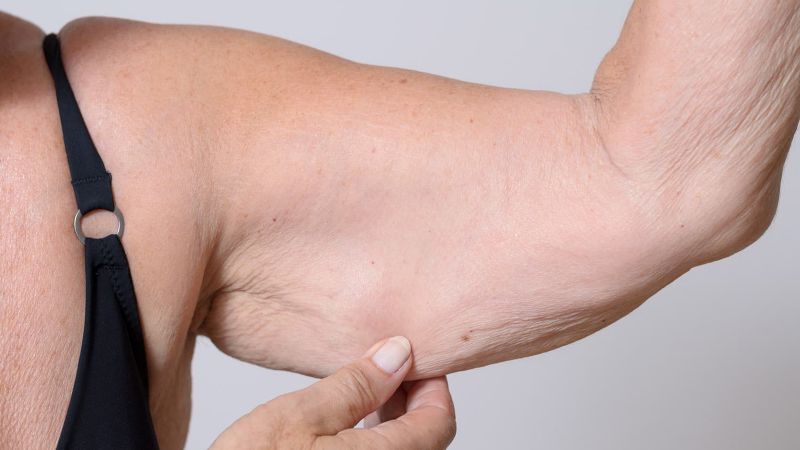
Sarcopenia is the age-related decline of skeletal muscle mass, strength, and function. Beginning around age 30, adults can gradually lose muscle over time, with the process often becoming faster after age 50.
However, sarcopenia is not only about losing muscle size. Muscle quality is equally important. Strong, healthy muscles help us maintain balance, support our joints, regulate metabolism, and complete everyday activities.
When muscle declines, it may become harder to perform simple tasks such as:
- Getting up from a chair
- Carrying groceries
- Climbing stairs
- Walking longer distances
- Maintaining balance while moving
Over time, reduced muscle strength can increase the risk of falls and affect overall independence.
Early Warning Signs of Sarcopenia
Because muscle loss happens slowly, many people do not notice changes until they begin affecting daily life. Some early warning signs may include:
- Difficulty carrying grocery bags or household items
- Trouble climbing stairs
- Feeling tired more quickly during physical activities
- Walking more slowly than before
- Feeling weaker or less steady on your feet
- Needing more effort to complete everyday tasks
- Losing strength even if your body weight has not changed
Recognizing these changes early can help you take steps toward improving and maintaining muscle health.
Why Muscle Loss Happens With Aging
Several factors contribute to age-related muscle loss.
Hormonal Changes
As we age, hormone levels naturally change. Declining growth hormone, estrogen, and testosterone levels can make it more difficult for the body to build and maintain muscle tissue.
Reduced Physical Activity
Muscles follow the principle of “use it or lose it.” Spending more time sitting and being less physically active can accelerate muscle loss. Even small amounts of regular movement can help signal the body to maintain muscle.
Lower Protein Intake
Many older adults consume less protein due to changes in appetite, lifestyle, or dietary habits. Since protein provides the building blocks needed for muscle repair, not getting enough can contribute to muscle decline.
Chronic Health Conditions
Certain health conditions can increase the risk of muscle loss. Diabetes, arthritis, chronic inflammation, and extended periods of illness or hospitalization may all contribute to reduced muscle strength.
Strength Training: One of the Best Tools for Sarcopenia Prevention
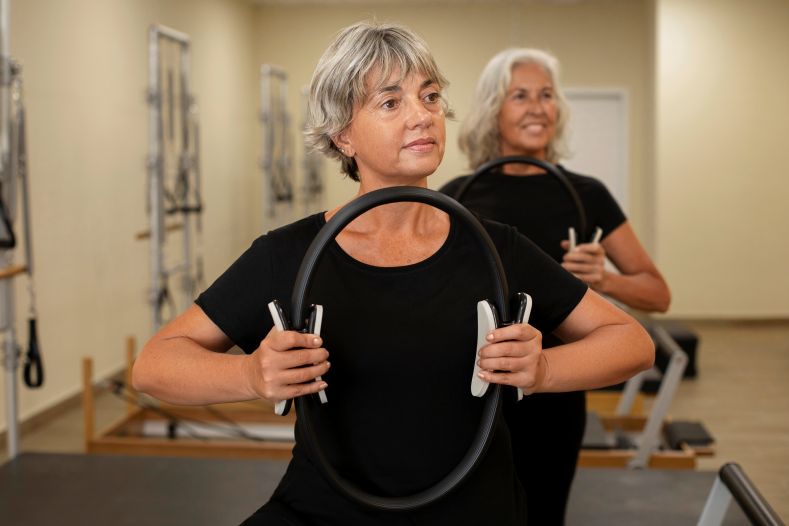
Resistance training is one of the most effective ways to protect against age-related muscle loss. Strength exercises challenge muscles, encouraging them to repair and become stronger.
You do not need an expensive gym membership to start. Effective options include:
- Resistance bands
- Light dumbbells
- Bodyweight exercises
- Weight machines
- Chair exercises for beginners
For many adults, aiming for strength training two or more times per week can help maintain muscle and improve function.
If you are new to exercise, begin slowly. Focus on proper form, choose manageable resistance, and allow your muscles time to recover between workouts.
Eating to Preserve Muscle

Exercise works best when combined with proper nutrition. Muscles need adequate protein to repair and maintain themselves.
Good sources of protein include:
- Eggs
- Fish
- Chicken
- Greek yogurt
- Cottage cheese
- Beans
- Lentils
- Tofu
- Lean meats
One helpful strategy is spreading protein intake throughout the day rather than eating most of it at one meal. Including protein at breakfast can be especially beneficial because many people tend to eat very little protein in the morning.
Other important nutrients for muscle health include:
Vitamin D
Vitamin D supports muscle function and helps maintain strong bones.
Calcium
Calcium is essential for maintaining bone strength and reducing the risk of fractures.
Omega-3 Fatty Acids
Omega-3 fats, found in foods such as fatty fish, may help support healthy aging and a balanced inflammatory response.
Maintaining Muscle After 50: Is It Too Late?
It is never too late to begin building strength. Many adults over 50 can improve muscle function by adding simple resistance exercises to their routine. Our article Strength Training After 50: Build Muscle & Strength explores beginner-friendly exercises and ways to make strength training part of a healthy aging routine.
If you are starting later in life:
- Begin with light resistance
- Focus on consistency rather than intensity
- Consider working with a physiotherapist or qualified fitness professional
- Choose activities that you enjoy and can maintain long term
You do not need to become an athlete to protect your muscles. Small, regular efforts can make a meaningful difference.
Daily Habits That Support Healthy Aging
Sarcopenia prevention involves more than exercise and nutrition. Everyday habits also play an important role.
Prioritize Quality Sleep
Sleep allows the body to repair tissues, regulate hormones, and recover from daily activities.
Stay Hydrated
Water plays an important role in muscle function, energy levels, and overall health.
Manage Stress
Long-term stress can affect the body in many ways, including muscle maintenance. Relaxation techniques, hobbies, time outdoors, and social connections can help.
Stay Socially Active
Social activities often encourage movement and engagement, which can support both physical and emotional well-being.
When to Talk to a Healthcare Professional
Talk with your healthcare provider if you notice:
- Sudden weakness
- Unexplained weight loss
- Frequent falls
- Difficulty completing normal daily activities
- A significant decline in strength or mobility
A doctor, physiotherapist, or registered dietitian can help create a plan that considers your health history, lifestyle, and personal goals.
Stronger Aging Starts Today
Muscle loss may be common as we age, but it does not mean losing strength and independence is inevitable. Through sarcopenia prevention strategies, including strength training, adequate protein intake, and regular movement, you can support your muscles at any age.
Protecting muscle is about more than physical appearance. Strong muscles help you stay active, confident, independent, and able to enjoy the activities that matter most.
It is never too late to start caring for your muscles. The best time to begin is today.
Health Disclaimer:
This article is for informational purposes only and is not intended to replace professional medical advice, diagnosis, or treatment. Everyone’s health needs are different. Before starting a new exercise program, changing your diet, or making lifestyle changes, consult with your healthcare provider, especially if you have existing health conditions, injuries, or concerns about muscle loss.