Common ATV Accident Injuries and Recovery Tips
12 min read
2377 words
ATV Accident Injuries can be severe, life-changing, and sometimes fatal, with Canadian riders facing serious risks from rollovers, collisions, and loss-of-control crashes every year. ATV riding can be an exciting way to explore trails, farms, forests, and outdoor areas across Canada, but the risks should never be underestimated.
Every year, Canadians are seriously injured and killed in all-terrain vehicle crashes. Statistics Canada reports that, on average, approximately 100 ATV fatalities occur each year in Canada, with rollovers being one of the most common fatal crash types. Risk factors identified in ATV deaths include not wearing a helmet, alcohol or drug use, and dangerous terrain conditions.
Recent Canadian ATV accidents highlight how quickly a recreational ride can become a tragedy. On July 7, an 82-year-old man died and a child was injured after an ATV rolled over in the Rural Municipality of Star City, Saskatchewan. The incident serves as a reminder that ATV crashes can happen to riders of all ages, even during familiar outdoor activities.
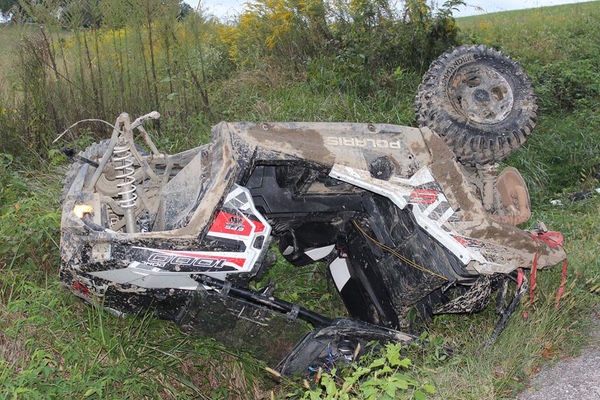
Recent incidents across Canada further demonstrate the serious consequences of ATV crashes. In 2026, Manitoba RCMP responded to a fatal ATV rollover where a 36-year-old rider died at the scene. In another recent Newfoundland and Labrador crash, a 71-year-old man died after an ATV overturned.
ATV-related injuries are also a concern among younger riders. The Montreal Children’s Hospital Trauma Centre reported an increase in ATV-related injuries in 2025 compared with the previous decade average, with some children and teens suffering severe, life-changing injuries.
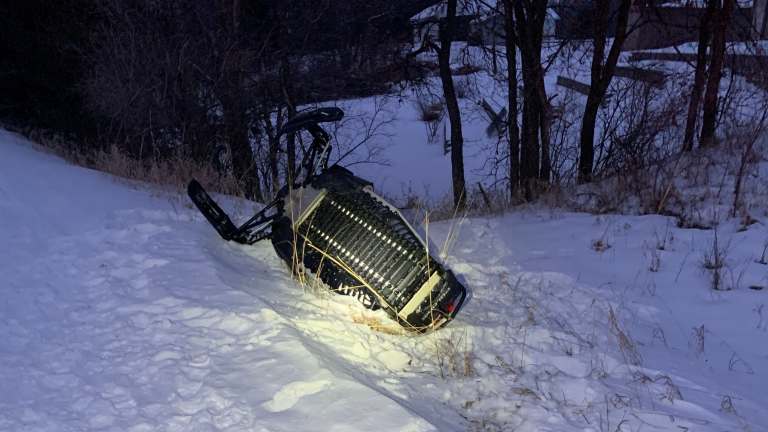
Unlike passenger vehicles, ATVs provide limited protection during a crash. Riders are exposed, and a rollover, collision, ejection, or loss of control can result in devastating injuries, including traumatic brain injuries, spinal cord damage, broken bones, internal injuries, permanent disabilities, or death.
Understanding the common ATV accident injuries can help riders recognize the dangers, seek prompt medical treatment, make safer choices, and take steps to prevent future accidents. While not every crash can be avoided, wearing proper protective equipment, following safety guidelines, and respecting the power of an ATV can help save lives.
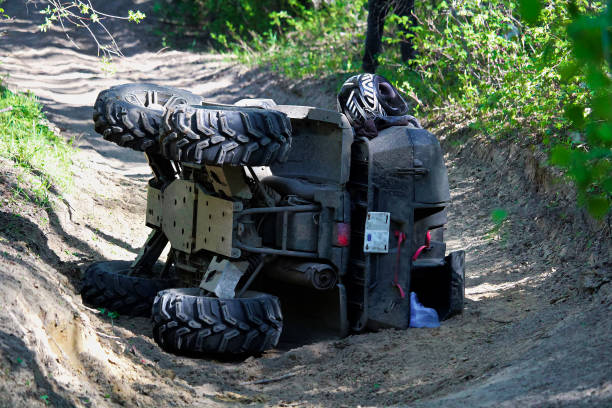
Why ATV Accidents Can Cause Serious Injuries
ATV crashes differ fundamentally from regular vehicle accidents, leading to a unique and often more severe set of risks. The open design and off-road environment mean that when things go wrong, the consequences can be significant.
While many ATV accident victims recover with proper medical care and rehabilitation, some crashes result in fatal injuries. The combination of vehicle weight, speed, difficult terrain, and lack of rider protection means that even experienced riders can face life-threatening consequences.
Weight and Physics
ATVs can weigh several hundred pounds. During a rollover or collision, this mass becomes a crushing force capable of pinning or trapping a rider.
Lack of Enclosure
Riders are exposed. During a crash, ejection from the vehicle is common, leading to direct impacts with the ground, trees, rocks, or the ATV itself.
Unpredictable Terrain
Uneven trails, muddy paths, steep inclines, and unexpected obstacles dramatically increase the risk of losing control, even for experienced riders.
Remote Locations
Many accidents occur on trails, farms, and back-country areas where emergency medical help may be delayed, complicating treatment and recovery.
Underestimated Conditions
It is easy to misjudge speed, terrain difficulty, or the impact of weather conditions such as rain, ice, or changing trail conditions on rider safety.
These factors combine to create a high-risk scenario where even a single-vehicle accident can result in life-altering trauma.
1. Head Injuries and Traumatic Brain Injuries (TBIs)
Head injuries are among the most serious and potentially devastating ATV accident injuries. The force of a fall or impact can lead to a range of conditions, from mild concussions to severe traumatic brain injuries.
Common Head Injuries Include:
- Concussions: Caused by a bump or blow to the head that makes the brain move rapidly inside the skull. Symptoms can include headache, confusion, dizziness, nausea, and temporary loss of consciousness.
- Skull Fractures: A break in the cranial bone, which may be associated with bleeding inside the brain.
- Traumatic Brain Injuries (TBIs): More severe brain damage that can affect cognitive function, leading to long-term memory problems, difficulty concentrating, personality or mood changes, and impaired physical abilities.
The long-term effects of a TBI can impact every aspect of a person’s life, from their ability to work to their relationships and independence.
Learn more about the symptoms, causes, treatment options, and long-term effects of traumatic brain injuries in our guide: Traumatic Brain Injury: Understanding Symptoms, Recovery, and Long-Term Effects.
Why Helmets Matter
This is the single most critical piece of safety equipment for any ATV rider. A properly fitted, DOT-approved helmet is designed to absorb impact energy and reduce the risk of skull fractures and the severity of brain injuries. Protective gear is one of the most important safety measures for every rider.
2. Broken Bones and Fractures
Broken bones are among the most common injuries after ATV crashes. The impact of being thrown from the vehicle or crushed during a rollover often results in fractures.
Common Fracture Sites Include:
- Arms, wrists, and hands (often from trying to break a fall)
- Legs, ankles, and knees
- Collarbone (clavicle)
- Ribs
Treatment Typically Involves:
- X-rays and medical evaluation to determine the type and severity of the break.
- Immobilization with casts, splints, or braces to allow the bone to heal.
- Surgery for severe or displaced fractures, which may involve pins, plates, or rods to realign and stabilize the bone.
- Physical therapy during recovery to restore strength, flexibility, and range of motion.
3. Spinal Cord Injuries and Back Injuries
Injuries to the spine are among the most serious ATV crash injuries, with potentially permanent consequences. These can range from painful herniated discs to catastrophic spinal cord damage.
Types of Spinal Injuries:
- Herniated or bulging discs: When the soft cushion between vertebrae is forced out of place, pressing on nerves.
- Vertebral fractures: Breaks in the bones of the spine.
- Spinal cord damage: Damage to the spinal cord itself, which can disrupt communication between the brain and the body.
- Nerve injuries: Damage to nerves branching from the spinal cord.
- Paralysis: In the most severe cases, spinal cord trauma can result in partial or complete paralysis, including paraplegia or quadriplegia.
Recovery is a long and challenging process. It begins with emergency stabilization to prevent further injury. Surgery may be required to stabilize the spine. Rehabilitation programs are intensive, focusing on maximizing remaining function, learning new ways to perform daily tasks through physical and occupational therapy, and adapting to life changes.
4. Soft Tissue Injuries
Not all ATV injuries involve broken bones. The violent forces of a crash can severely damage muscles, ligaments, and tendons.
Common Soft Tissue Injuries Include:
- Sprains: Stretching or tearing of ligaments, which are the bands connecting bones at a joint.
- Strains: Stretching or tearing of muscles or tendons.
- Torn ligaments: Such as ACL tears in the knee, which may require surgery.
- Muscle contusions or ruptures.
- Whiplash: A rapid back-and-forth neck movement that strains cervical tissues.
Symptoms to Watch For:
- Swelling
- Bruising
- Significant pain
- Limited movement
- Pain that worsens with activity
While some soft tissue injuries heal with rest and therapy, others can lead to chronic pain and joint instability if they are not properly diagnosed and treated.
5. Road Rash, Cuts, and Skin Injuries
Even off-road crashes can cause serious skin injuries. Being dragged across gravel, dirt, or pavement, or coming into contact with sharp objects, can lead to:
- Deep cuts and lacerations that may require stitches.
- Abrasions (road rash): Painful scrapes that remove layers of skin.
- Friction burns from sliding.
- Significant scarring.
- A high risk of infection, especially from wounds contaminated with dirt and debris.
Prevention Is Key
Always wear protective riding clothing, including gloves, durable boots, long sleeves, and pants. This gear acts as a barrier between you and the abrasive ground.
6. Internal Injuries
Some of the most dangerous ATV accident injuries are not immediately visible. The trauma of an impact can cause internal bleeding and damage to organs, requiring immediate emergency evaluation.
Examples of Internal Injuries:
- Internal bleeding in the chest or abdomen.
- Organ damage, such as injuries to the spleen, liver, or kidneys.
- Chest injuries, including punctured lungs or broken ribs that can damage internal structures.
- Abdominal injuries that may develop symptoms over time.
Warning Signs
Any serious crash warrants a medical check-up. Specific red flags include:
- Increasing abdominal or chest pain
- Dizziness
- Shortness of breath
- Weakness
- Fainting
- Coughing up blood
Do not ignore these symptoms. Seek emergency care immediately.
7. Emotional and Psychological Effects After an ATV Accident
The impact of a serious accident is not only physical. The trauma can have profound emotional and psychological effects that are an important part of the recovery process.
Possible Effects Include:
- Anxiety and fear, including a fear of riding again.
- Depression related to pain, loss of mobility, or changes in lifestyle.
- Post-Traumatic Stress Disorder (PTSD), including flashbacks, nightmares, or severe anxiety triggered by reminders of the crash.
- Loss of confidence in personal abilities.
- Frustration and anger during a slow or difficult recovery.
Recovery often involves support from family and friends, professional counseling or therapy, and a gradual, pressure-free return to activities. Acknowledging these challenges is an important step toward healing completely.
For families supporting a loved one after a serious brain injury, the recovery journey can bring emotional challenges, uncertainty, and many new responsibilities. Read our related article: Traumatic Brain Injury: Navigating Uncharted Waters as a Parent.
The ATV Accident Recovery Process
The path to recovery after an ATV accident is unique to each individual and depends on several factors: the type and severity of the injury, the rider’s age and overall health, the medical treatment received, and their commitment to rehabilitation.
Immediate Medical Care
This begins at the scene with emergency assessment and stabilization. At the hospital, care may include diagnostic imaging such as X-rays, CT scans, and MRIs, pain management, wound treatment, and surgery if necessary to repair fractures, control bleeding, or stabilize injuries.
Early medical attention is critical because some serious injuries may not be immediately obvious after an ATV crash.
Rehabilitation and Physical Therapy
Recovery almost always involves a dedicated rehabilitation phase. The goals are to:
- Restore strength and endurance.
- Improve mobility and range of motion.
- Regain balance and coordination.
- Relearn daily activities through occupational therapy.
This process requires patience and consistent effort, often spanning weeks, months, or even years depending on the severity of the injuries.
Long-Term Recovery Challenges
Some serious ATV injuries can permanently affect a person’s life. They may impact your ability to work, participate in hobbies, live independently, and maintain your overall quality of life.
Long-term recovery may require:
- Ongoing medical appointments.
- Adaptive equipment, such as braces or wheelchairs.
- Additional medical treatments.
- Significant lifestyle adjustments.
How Long Does Recovery Take After an ATV Accident?
There is no one-size-fits-all answer. Recovery timelines vary widely depending on the injury, treatment, and individual circumstances.
- Minor Injuries: Sprains, minor cuts, and soft tissue injuries may heal within weeks to a few months with proper care.
- Broken Bones: Fractures typically take several months to heal, but full recovery of strength and function can take longer.
- Serious Injuries: Spinal cord injuries, severe traumatic brain injuries, and complex fractures may require months or even years of continuous rehabilitation, with some effects being permanent.
Factors that influence recovery speed include how quickly treatment was received, how well medical advice is followed, active participation in rehabilitation, and the individual’s overall health and resilience.
Preventing ATV Accident Injuries
While understanding ATV injuries and recovery is important, prevention should always be the ultimate goal. Many accidents can be avoided through responsible riding practices.
- Always wear an approved helmet.
- Use full protective clothing, including goggles, gloves, sturdy boots, and long sleeves and pants.
- Take a formal ATV safety training course.
- Never ride under the influence of alcohol or drugs.
- Avoid carrying extra passengers unless the ATV is specifically designed for it.
- Maintain your ATV properly by checking brakes, tires, throttle, and other important components.
- Ride according to your experience level and always maintain a safe speed.
- Avoid dangerous terrain that is beyond your skill level.
For more statistics and detailed prevention strategies, explore our guide on Snowmobile and ATV Accident Statistics and Prevention.
When to Contact an ATV Accident Attorney
If you have been seriously injured in an ATV accident, understanding your legal rights is important. You may want to consult an attorney in situations such as:
- Another person’s negligence caused the accident.
- A defective ATV part contributed to the crash.
- Unsafe property conditions, such as poorly maintained trails, played a role.
- You are facing significant medical bills and lost income.
- You are experiencing difficulties with insurance claims.
An experienced attorney can help you understand your options and pursue fair compensation for injuries, expenses, and losses related to the accident.
Learn more in our article: ATV Accidents: Are You Liable for Damages?
Final Thoughts
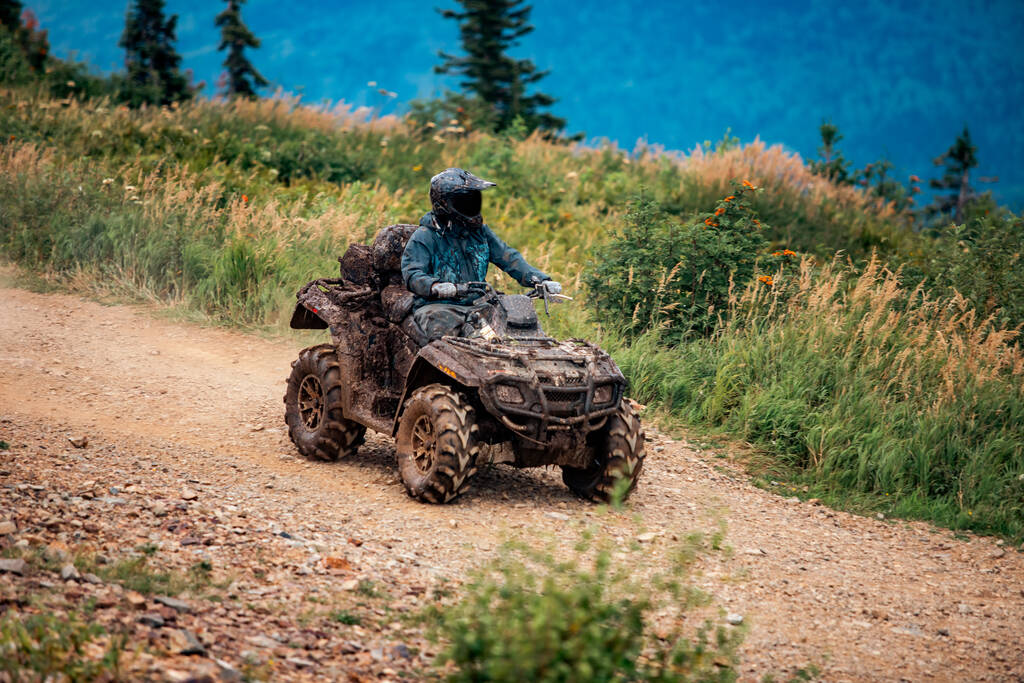
An ATV accident can change a person’s life in seconds. While the thrill of the ride is undeniable, the consequences of a crash can be severe and far-reaching. Many common ATV accident injuries are preventable through proper training, consistent use of protective equipment, and responsible riding.
However, it is important to recognize that not every ATV accident ends with recovery. Some crashes result in permanent disabilities, life-changing injuries, or fatalities. The risks are real, and respecting the power of an ATV, understanding trail conditions, and following safety practices can help protect riders and their loved ones.
By understanding the risks, the types of injuries that can occur, and the demanding recovery process, riders can make more informed decisions both before a ride and when seeking care afterward.
If the worst happens, prompt medical attention, diligent rehabilitation, and a strong support network are important steps toward recovery. For some families, however, the aftermath of an ATV accident involves coping with a devastating loss.
Stay safe, ride smart, and always respect the power of your machine and the terrain.
Disclaimer: This article is for informational and educational purposes only and is not intended to replace professional medical, safety, or legal advice. ATV accidents can result in serious injuries or fatalities, and every situation is different. Always follow manufacturer guidelines, local laws, and proper safety practices when operating an ATV. If you have been injured in an ATV accident, seek medical attention and consult with a qualified professional for advice specific to your circumstances.