

Best Dog Foods for Different Life Stages: Puppy to Adult
10 min read
1954 words
A dog’s nutritional needs change dramatically from the bounding energy of puppy-hood to the gentle wisdom of their senior years. Finding the best dog foods by age is an important part of responsible pet ownership because puppies, adult dogs, and senior companions all have different nutritional requirements.
Providing the right nutrition at each stage is one of the most important things you can do to support your dog’s health, happiness, and longevity. A complete and balanced diet tailored to their age, size, activity level, and health needs lays the foundation for a vibrant life.
This guide will walk you through everything you need to know about choosing the best dog foods for different life stages. We’ll explain why age-specific nutrition matters, how to read dog food labels, and recommend popular dog foods for puppies, adults, seniors, and different breed sizes.
Why Life Stage Nutrition Matters
Think of your dog’s body as a high-performance vehicle. The fuel you put in must match what the engine needs at any given time. Here’s how key nutrients play different roles as your dog grows:
- Protein: The building block for muscles, organs, and immune cells. Puppies need high levels for growth, while seniors need easily digestible, high-quality protein to maintain muscle mass.
- Healthy Fats: Provide concentrated energy and support skin and coat health. Puppies need fats for brain development, while older dogs may need carefully managed amounts to prevent weight gain.
- Calories: Energy requirements are highest for growing puppies, moderate for active adults, and often lower for less active seniors.
- Vitamins and Minerals: Crucial for everything from bone development to immune function. The ratios change; for example, calcium and phosphorus are tightly regulated for growing puppies to ensure proper bone formation.
- DHA (Docosahexaenoic Acid): An omega-3 fatty acid critical for the brain and eye development of puppies.
- Fiber: Supports healthy digestion. Seniors often benefit from moderate fiber to maintain bowel regularity.
- Joint Support: Nutrients like glucosamine and chondroitin become increasingly important for large breeds and senior dogs to support mobility.
A complete and balanced diet starts with understanding your dog’s nutritional needs. Protein plays a key role in maintaining strong muscles, healthy skin and coat, and overall well-being. Read our related guide: A Dog’s Diet: Protein for Dogs and Better Health.
Understanding Dog Food Labels
Learning to read a label empowers you to make informed choices. Look for these key elements:
- “Complete and Balanced” Statement: This ensures the food meets the nutritional profiles established by feeding trial or formulation for a specific life stage (e.g., “growth,” “maintenance,” or “all life stages”).
- Life-Stage Recommendations: The label will specify if the food is for puppies, adults, or seniors.
- Ingredient List: Ingredients are listed by weight before cooking. You want a named animal protein (like “chicken” or “salmon”) as the first ingredient.
- Guaranteed Analysis: Shows minimum percentages of crude protein and fat and maximum percentages of crude fiber and moisture.
- Dry vs. Wet Food: Dry kibble is cost-effective and convenient. Wet food is more palatable and provides extra hydration.
- Fresh and Freeze-Dried: These minimally processed diets can be nutrient-dense but often require special handling and come at a premium price.
Reading labels is an important part of choosing quality nutrition, but ingredients are only one piece of the puzzle. Protein plays a vital role in supporting strong muscles, healthy skin and coat, immune function, and overall wellness. Learn more in our guide: Protein for Dogs: Why It Matters and How Much Your Dog Needs.
Best Dog Foods for Puppies

What Puppies Need
Puppies are little bundles of growth and energy. The best puppy food provides:
- High-quality protein to build strong muscles.
- DHA for brain and vision development.
- Balanced calcium and phosphorus for proper bone growth.
- Healthy fats for energy and brain function.
- Smaller kibble and guidance for feeding multiple small meals per day.
Recommended Puppy Foods
- Blue Buffalo Life Protection Puppy: Features real meat first and their exclusive LifeSource Bits™ with antioxidants.
- Wellness Complete Health Puppy: Offers balanced nutrition with DHA from salmon oil and probiotics.
- Open Farm Puppy Recipe: Uses ethically sourced ingredients and includes probiotics for digestive health.
- Merrick Healthy Grains Puppy: Deboned meat first, with wholesome grains for sustained energy.
- Taste of the Wild High Prairie Puppy: A grain-free option with novel proteins like bison and venison.
Best Dog Foods for Adult Dogs
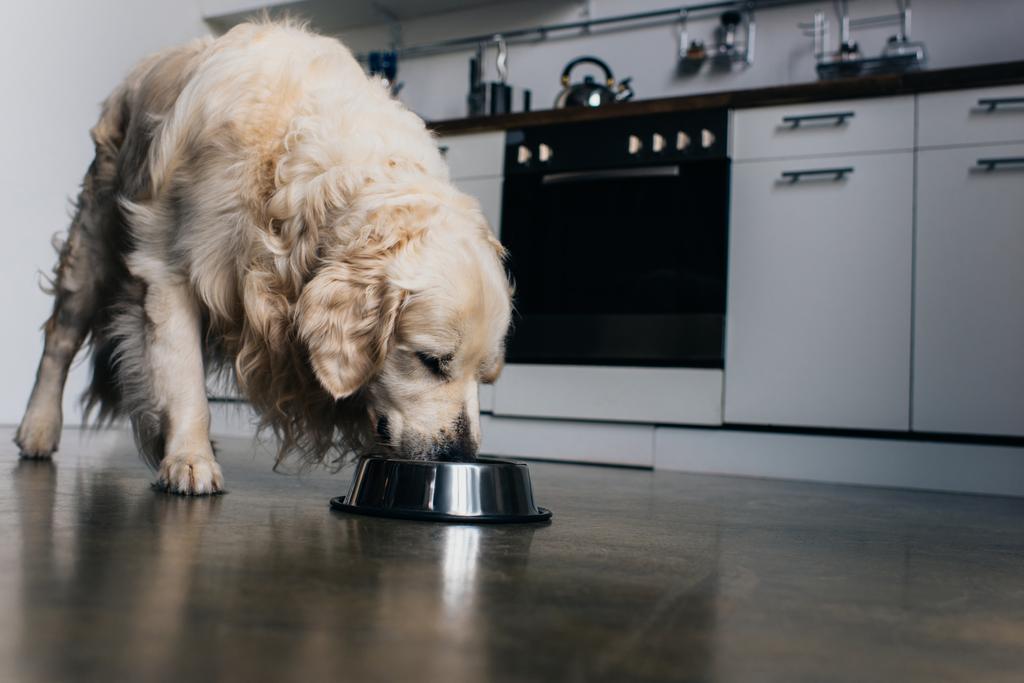
Adult Dogs Need Nutrition That Supports:
- Lean muscle maintenance
- Healthy weight management
- Sustained energy
- Skin and coat health
- Immune and digestive health
Recommended Adult Dog Foods
- Open Farm Grain-Free Dry Dog Food: Ethically sourced, with high-quality animal protein and non-GMO fruits and vegetables.
- Wellness Complete Health Dry Dog Food: A balanced formula with real meat, whole grains, probiotics, and omega fatty acids.
- Taste of the Wild Dry Dog Food: Offers novel protein options and species-specific probiotics.
- Blue Buffalo Life Protection Dry Dog Food: Always starts with real meat and includes LifeSource Bits™ for a precise blend of nutrients.
- GO! Carnivore Dry Dog Food: High-protein recipes with multiple premium animal proteins.
- Merrick Classic Healthy Grains Dry Dog Food: Deboned meat first, with brown rice and added glucosamine and chondroitin for joint health.
Best Dog Foods for Senior Dogs
Senior Dogs Often Benefit From:
- Easily digestible, high-quality protein to maintain muscle.
- Joint support from glucosamine and chondroitin.
- Omega-3 fatty acids for cognitive health and inflammation.
- Controlled calories to prevent obesity.
- Fiber for healthy digestion and antioxidants for cellular health.
Recommended Senior Foods
- Blue Buffalo Life Protection Senior
- Wellness Complete Health Senior
- Open Farm Senior Recipe
- GO! Solutions Senior
- Merrick Healthy Grains Senior
While some senior dogs may require specialized diets because of health conditions such as kidney disease, diabetes, or other medical concerns, healthy older dogs still benefit from high-quality, easily digestible protein. Maintaining muscle mass is especially important as dogs age because strong muscles help support mobility and independence.
Best Dog Food for Small Breeds
Small breed dogs have fast metabolisms and often require food with:
- Smaller kibble size for easy chewing.
- Higher calorie density to meet their energy needs.
- Nutrients for dental health.
Suggested foods: Blue Buffalo Life Protection Small Breed, Wellness Small Breed, Merrick Lil’ Plates, Open Farm Small Breed.
My Experience Feeding a Small Breed Dog
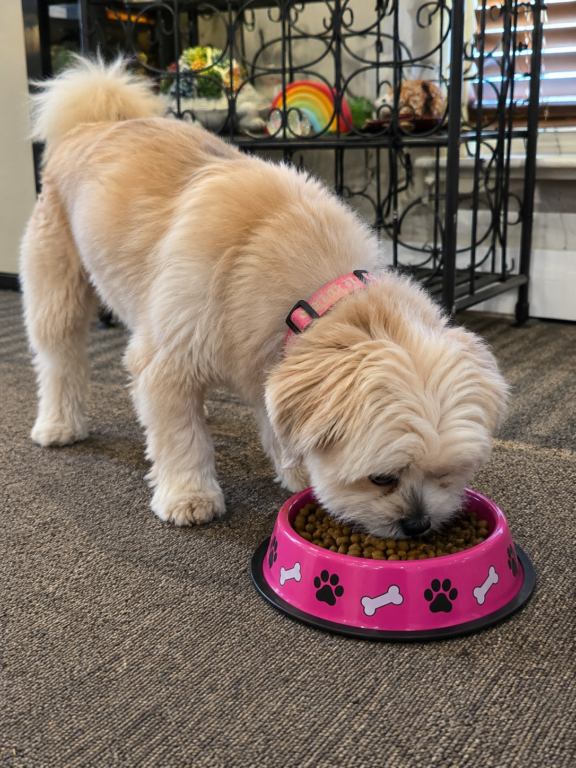
As a Shih-Poo owner, I understand how important it is to choose a food that supports the unique needs of small dogs. I feed my dog Blue Buffalo® Life Protection Formula™ Small Breed Adult Dry Dog Food because it is designed specifically for small breed adults and provides balanced nutrition to support healthy muscles, energy, skin, and coat.
The smaller kibble size is a good fit for smaller mouths, and I appreciate that it includes real meat as the first ingredient along with LifeSource Bits™, a blend of antioxidants, vitamins, and minerals designed to support immune health.
Every dog is different, so what works well for one dog may not be the right choice for another. When choosing a food, consider your dog’s age, activity level, health needs, and preferences, and consult your veterinarian if you have questions.
Best Dog Food for Large Breeds
Large breed dogs need formulas that support:
- Controlled growth (especially in puppies) to prevent skeletal issues.
- Joint health with glucosamine and chondroitin.
- Weight management to reduce stress on joints.
Suggested foods: Blue Buffalo Large Breed, Wellness Large Breed, Merrick Healthy Grains Large Breed, Taste of the Wild Ancient Prairie.
Grain-Free vs. Grain-Inclusive Dog Food
For decades, grains like brown rice and barley have been healthy parts of dog diets. They provide valuable nutrients and fiber.
- Benefits of Whole Grains: Source of fiber, vitamins, and minerals.
- When Grain-Free May Be Appropriate: For dogs with a specific, diagnosed grain allergy or sensitivity.
- Important Note: Grain-free diets are not inherently better for most healthy dogs. The FDA has investigated a potential link between certain grain-free diets and a heart condition called dilated cardiomyopathy (DCM). If you have concerns, consult your vet.
Dry, Wet, Fresh, or Freeze-Dried?
| Food Type | Benefits | Considerations |
|---|---|---|
| Dry Kibble | Affordable, convenient, supports dental health. | Lower moisture content. |
| Wet Food | Higher moisture, very palatable, great for hydration. | Higher cost, less convenient for storage. |
| Fresh Food | Minimally processed, often highly digestible. | Requires refrigeration, shorter shelf life. |
| Freeze-Dried | Nutrient-dense, long shelf life, retains raw benefits. | Premium price, requires rehydration. |
How to Transition to a New Dog Food
Switching food too quickly can cause digestive upset. Follow this schedule:
| Days | Old Food | New Food |
|---|---|---|
| 1–2 | 75% | 25% |
| 3–4 | 50% | 50% |
| 5–6 | 25% | 75% |
| 7 | 0% | 100% |
Ingredients to Look For and Ingredients to Limit

Choosing dog food can feel overwhelming with so many options available. Instead of focusing only on marketing claims, look for a formula that provides complete and balanced nutrition.
Ingredients to Look For
- Named animal proteins such as chicken, beef, turkey, salmon, or lamb
- Healthy fats such as fish oil and flaxseed
- Omega-3 and omega-6 fatty acids for skin, coat, and overall health
- Fruits and vegetables that provide natural vitamins, minerals, and antioxidants
- Whole grains (unless medically inappropriate) for fiber and nutrients
- Prebiotics and probiotics to support digestive health
- Essential vitamins and minerals for complete nutrition
Ingredients to Consider Limiting
Many pet owners prefer foods without unnecessary additives. When comparing dog foods, focus on nutritional balance, ingredient quality, and whether the formula meets your dog’s individual needs.
Some owners choose to limit:
- Artificial colours
- Excessive fillers
- Added sugars
- Excess sodium
- Unnamed meat ingredients
Common Feeding Mistakes to Avoid
- Overfeeding: Leads to obesity and health problems.
- Free Feeding: Leaving food out all day can contribute to overeating.
- Too Many Treats: Treats should make up no more than 10% of daily calories.
- Feeding Table Scraps: Many human foods are unhealthy or toxic for dogs.
- Changing Food Too Quickly: Can cause vomiting and diarrhea.
- Ignoring Body Condition: You should be able to feel your dog’s ribs but not see them.
- Not Measuring Portions: Use a measuring cup for consistent portions.
Frequently Asked Questions
- When should puppies switch to adult food? Generally between 12 and 24 months, depending on breed size. Large breeds may stay on puppy food longer.
- When should a dog eat senior food? Typically around age 7, but it depends on the dog and breed.
- Is grain-free better? Not necessarily. It’s only recommended for dogs with a specific allergy.
- How often should I feed my dog? Puppies: 3-4 times a day. Adults: 2 times a day.
- Can I mix wet and dry food? Yes, you can mix them to add flavor and moisture.
- How do I know if my dog food is high quality? Look for a “complete and balanced” statement, a named animal protein as the first ingredient, and avoid artificial additives.
- Should I rotate protein sources? It’s not required but can be beneficial for variety and providing a wider range of nutrients.
Tips for Choosing the Right Dog Food
- Match the food to your dog’s life stage (puppy, adult, senior).
- Consider breed size and activity level.
- Read ingredient labels carefully.
- Choose foods with a named animal protein as the first ingredient.
- Select a food labeled “complete and balanced.”
- Transition gradually over 7-10 days when changing foods.
- Consult your veterinarian if your dog has health concerns or food allergies.
Finding Quality Dog Food in Canada
Many of the dog foods mentioned in this guide are available throughout Canada through pet retailers, veterinary clinics, and online pet stores. This makes it easier for Canadian pet owners to find quality nutrition options for every life stage, from puppy formulas to senior diets.
Conclusion
Dogs have different nutritional needs throughout their lives. Choosing a high-quality, complete and balanced diet supports healthy growth, muscle maintenance, digestion, immune function, and overall well-being.
The best dog food is one that fits your dog’s age, size, activity level, and individual health needs. Work with your veterinarian to ensure your dog receives the nutrition they need for a long, healthy, and happy life by your side.