A Dog’s Diet: Protein for Dogs and Better Health
8 min read
1475 words
Every wagging tail, playful run, and happy greeting at the door depends on good health and good health starts with proper nutrition. Whether you have an energetic puppy, an active adult dog, or a beloved senior companion, providing the right amount of protein is one of the best ways to help them thrive. Protein supports everything from strong muscles and healthy skin to a robust immune system, making it one of the most important nutrients in your dog’s diet.
What Is Protein?
At its core, protein is a complex nutrient made up of building blocks called amino acids. Think of amino acids as individual letters that come together to form important words for your dog’s body.
- Essential vs. Non-Essential Amino Acids: Dogs can produce some amino acids on their own (non-essential), but there are ten they must get from their food (essential). This is why their daily diet must contain a reliable source of dietary protein.
- How Dogs Use Protein: From the moment it’s digested, protein is broken down into amino acids and used to build and repair virtually every tissue—from muscles and skin to hormones and immune cells.
What Does “Crude Protein” Mean?
The Guaranteed Analysis lists crude protein, which measures the total amount of protein in the food and not necessarily how digestible or usable it is. Two dog foods with the same crude protein percentage can vary greatly in quality depending on the ingredients.
What Makes a High-Quality Protein?
Not all protein sources offer the same nutritional value. High-quality proteins are highly digestible and provide all the essential amino acids your dog needs.
Characteristics include:
- Easily digested and absorbed
- Rich in essential amino acids
- Supports muscle maintenance
- Promotes healthy skin and coat
- Provides long-lasting energy
Foods containing chicken, turkey, salmon, beef, lamb, eggs, or fish are generally considered excellent sources of protein.
Why Dogs Need Protein
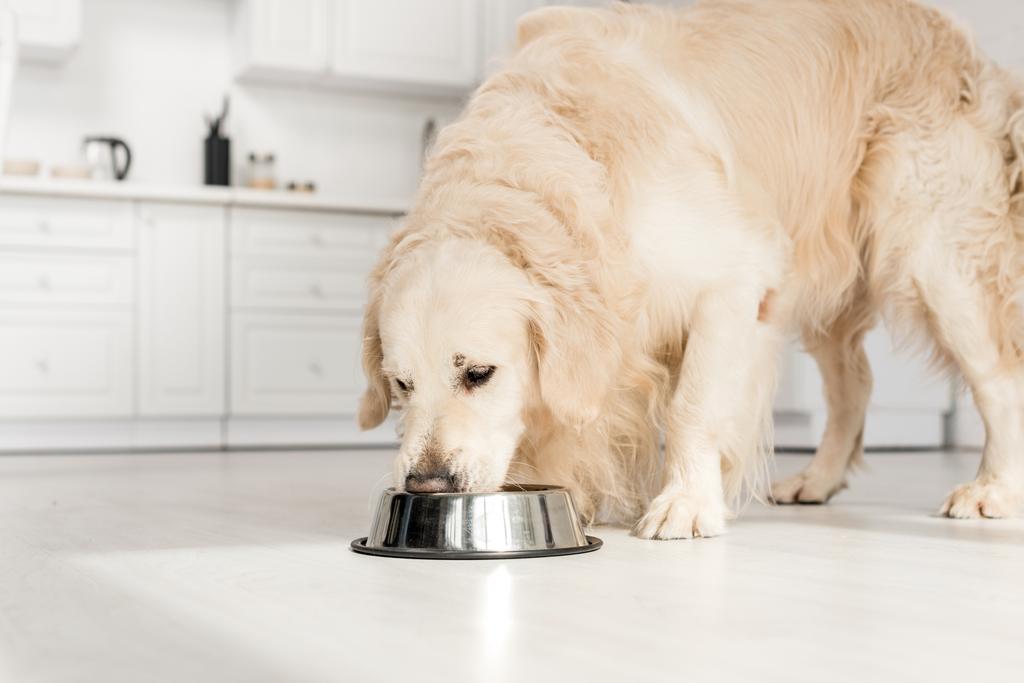
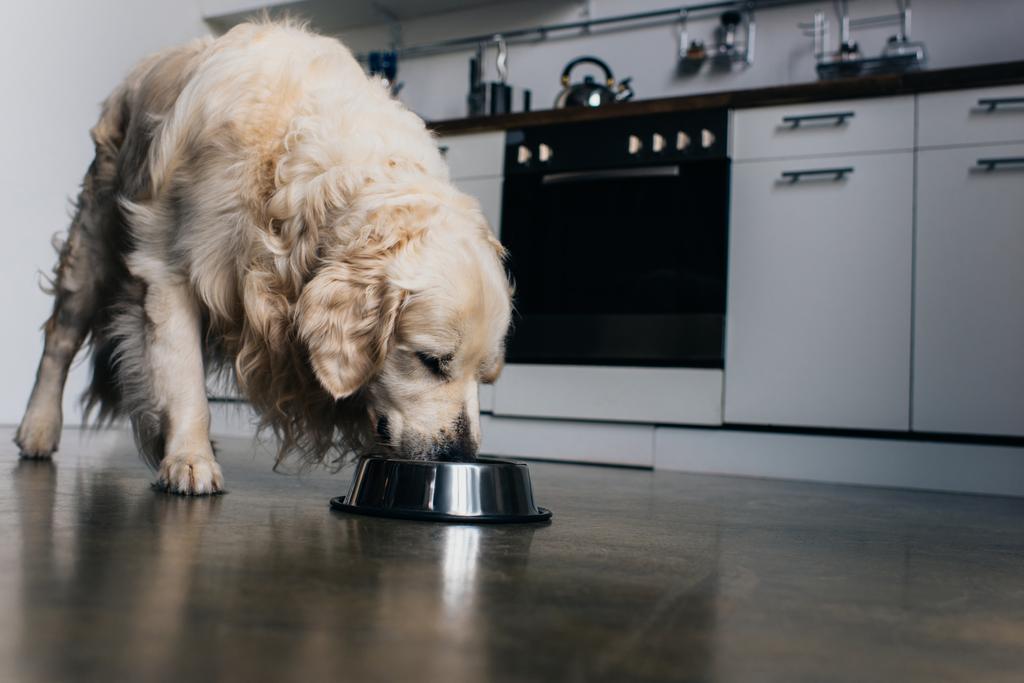
Protein isn’t just one of many nutrients; it’s a powerhouse that performs several critical jobs.
Builds and Repairs Muscles
Whether your dog is a puppy growing rapidly, an athlete recovering from a hike, or a senior maintaining mobility, animal protein for dogs is essential for muscle development, repair, and maintenance.
Supports Healthy Skin and Coat
A glossy, soft coat and healthy skin are often outward signs of good nutrition. Protein provides the building blocks for strong hair follicles and a resilient skin barrier, reducing issues like dryness and flakiness.
Strengthens the Immune System
Your dog’s body uses protein to produce antibodies and immune cells that fight off infections. A diet with adequate, high-quality protein supports robust immune function and helps with healing.
Provides Energy
While fats are a more concentrated energy source, protein is a vital fuel, especially for active and working dogs. It’s often the primary energy source used during sustained exercise.
Supports Organ Function
Protein is fundamental to the health of major organs like the heart, liver, and kidneys. It’s also necessary for producing the enzymes and hormones that regulate countless bodily processes.
How Much Protein Does a Dog Need?
Dog protein requirements vary significantly based on life stage, activity level, and overall health.
- Puppies: Growing rapidly, puppies need the highest protein concentration to support tissue development.
- Adult Dogs: Require sufficient protein to maintain muscle mass, body condition, and healthy organ function.
- Senior Dogs: Contrary to some myths, healthy senior dogs still need quality protein to maintain lean muscle mass. Lower-protein diets are typically only prescribed for specific health conditions under veterinary supervision.
- Active and Sporting Dogs: Need higher protein to repair muscles and recover from intense physical exertion.
- Pregnant and Nursing Dogs: Have significantly increased nutritional demands to support puppy development and milk production.
Best Sources of Protein for Dogs
Animal-Based Proteins
These are considered gold-standard high-protein dog food ingredients because they contain all the essential amino dogs need in a highly digestible form. Excellent sources include:
- Chicken & Turkey
- Beef & Lamb
- Salmon & Whitefish
- Duck
- Eggs
Plant-Based Proteins
Ingredients like peas, lentils, chickpeas, and quinoa can be valuable complementary protein sources in a formulated diet. However, for most dogs, they should not replace animal-based proteins as the primary source.
Complete vs. Incomplete Proteins
- Complete Proteins contain all ten essential amino acids. Most animal protein for dogs (meat, fish, eggs) are complete proteins.
- Incomplete Proteins are missing one or more essential amino acids. Many plant proteins fall into this category. This is why a complete and balanced dog diet is so important. The formulation ensures all amino acid needs are met.
Veterinarian Tip: When changing your dog’s food, transition gradually over 7–10 days to help prevent digestive upset.
Signs Your Dog May Not Be Getting Enough Protein
If you notice any of the following, it could be a sign of a nutritional gap, but always consult your veterinarian, as these symptoms can indicate various health issues:
- Unexplained weight loss or muscle wasting
- Dull, brittle coat or excessive shedding
- Dry, flaky skin
- Slow wound healing
- Lethargy or low energy
- Frequent infections
Can Dogs Have Too Much Protein?
The myth that high-protein dog food causes hyperactivity or kidney problems in healthy dogs is largely unfounded. Healthy dogs regulate protein metabolism efficiently. However, dogs with pre-existing kidney or liver disease may require diets with carefully controlled protein levels, only under veterinary guidance. Never drastically change your dog’s diet without professional advice.
Reading Dog Food Labels
To choose the best food, look beyond marketing claims.
- Look for Named Meat Ingredients: The first ingredient should be a specific meat (e.g., “chicken” not “meat meal”).
- Check the Guaranteed Analysis: This table shows the minimum percentages of crude protein and fat.
- Understand Ingredient Order: Ingredients are listed by weight. Whole meats contain water, so their percentage drops after processing. Meals (like “chicken meal”) are concentrated protein sources.
- Choose “Complete and Balanced”: This label means the food meets established nutritional profiles for a specific life stage.
Homemade vs. Commercial Dog Food
- Homemade Diets offer control over ingredients but carry a high risk of nutritional deficiencies unless formulated with a veterinary nutritionist.
- Commercial Diets (kibble, wet food) offer convenience and are formulated to be complete and balanced when from a reputable brand.
Protein Myths About Dogs
- Myth: More protein causes hyperactivity. Fact: Excess protein is converted to energy or fat, not linked to behavioral issues.
- Myth: Senior dogs need low-protein diets. Fact: Healthy seniors need quality protein to prevent muscle loss.
- Myth: Grain-free automatically means high protein. Fact: Grain-free diets are not inherently higher in protein and are not necessary for most dogs.
Protein Foods Dogs Should Never Eat
Although protein is important, some protein-rich foods are unsafe.
Avoid feeding:
- Raw or undercooked meat (unless recommended by your veterinarian)
- Cooked bones
- Heavily seasoned meats
- Garlic
- Onion
- Chocolate-covered treats
- Processed deli meats high in sodium
Choosing Protein for Dogs With Food Allergies
True food allergies are less common than intolerances, but they do occur. Common culprits are often the most common proteins (chicken, beef). Strategies include:
- Novel Proteins: Using protein sources your dog has never eaten (duck, venison, rabbit).
- Hydrolyzed Protein Diets: Proteins broken down so the immune system doesn’t react.
- Always undertake an elimination diet under strict veterinary supervision.
Frequently Asked Questions
- Is chicken the best protein for dogs? The “best” protein is one your dog digests well and that is part of a balanced diet. Chicken is an excellent, highly digestible source.
- Can dogs eat eggs every day? Yes, cooked eggs are a fantastic source of complete protein and are generally safe in moderation.
- Do dogs need protein at every meal? It’s not mandatory for each meal, but their total daily intake must meet their requirements, which is easily achieved with a balanced commercial dog food.
- Can dogs eat plant protein alone? It is very difficult to meet all their amino acid needs without animal-based protein. A vegan diet is not recommended for dogs without expert formulation and monitoring.
Tips for Feeding a Healthy, Protein-Rich Diet
- Choose High-Quality Food: Select a food from a reputable brand that lists a animal protein as the first ingredient.
- Feed the Right Amount: Follow feeding guidelines based on your dog’s weight, age, and activity level to maintain a healthy body condition.
- Provide Fresh Water: Always ensure clean water is available.
- Limit Treats: Treats should make up no more than 10% of your dog’s daily calories.
- Schedule Vet Checkups: Regular health checks ensure your dog’s dietary needs are being met as they age.
Conclusion

Protein is a non-negotiable pillar of your dog’s health from puppyhood to their senior years. By understanding the importance of a complete and balanced dog’s diet, you’re better equipped to make nutritious choices for your furry companion. To further support your dog’s digestive health and overall wellness, don’t miss our article on Dog Food Toppers for Gut Health and Wellness Boost, where you’ll discover simple ways to enhance your dog’s meals with gut-friendly ingredients.