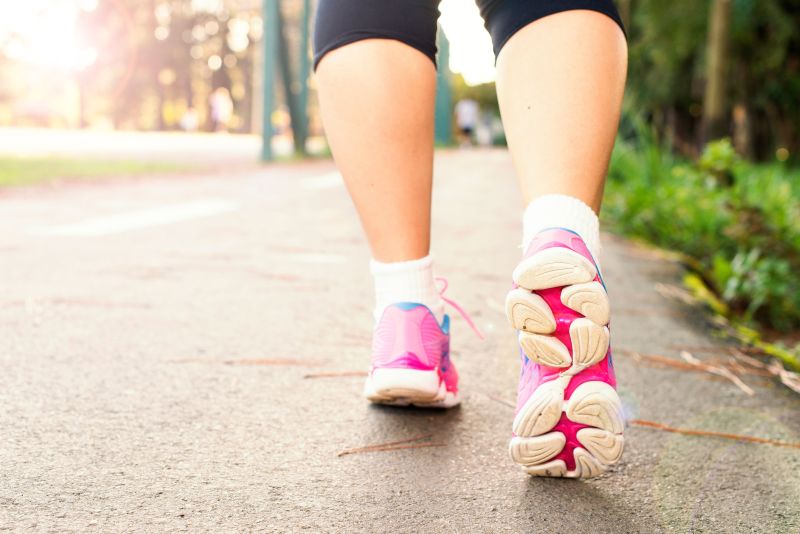
7-Day Walking Challenge for Beginners to Lose Weight
6 min read
1153 words
In a world increasingly focused on quick fixes and pharmaceutical solutions such as GLP-1 medications like semaglutide, it is easy to overlook one of the most powerful, accessible, and natural health tools available: walking. While medications may offer rapid results, they often come with potential side effects, financial cost, and long-term considerations. Walking, by contrast, offers a sustainable path to better health without prescriptions, complications, or barriers to entry. This is where a simple walking challenge can make all the difference. Instead of relying on extreme diets or complex routines, a gradual walking challenge helps build consistency, restore mobility, and improve health one step at a time. It transforms walking from an occasional activity into a structured habit that supports lasting change.
Walking is one of the simplest forms of movement available to humans. It requires no special training, no equipment beyond a comfortable pair of shoes, and can be done almost anywhere. From a short stroll around the block to a gentle daily routine, walking remains one of the most effective ways to improve physical and mental well-being and lose weight.
The Incredible Health Benefits of Walking
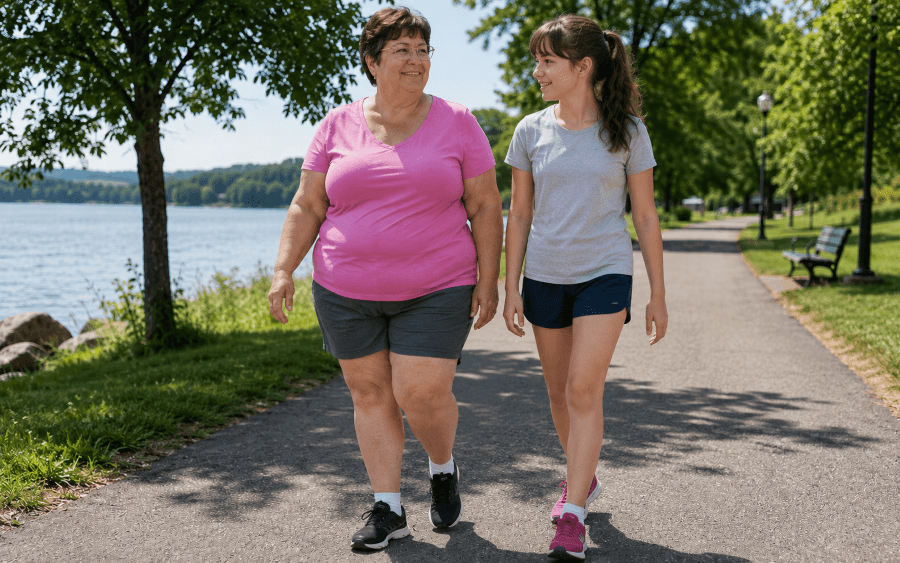
Walking is often underestimated, yet it delivers wide-ranging health benefits across nearly every system in the body.
Improves cardiovascular health and circulation
Walking strengthens the heart, improves blood flow, lowers blood pressure, and reduces the risk of cardiovascular disease. Over time, it enhances heart efficiency and overall endurance.
Supports weight management and fat loss
Regular walking burns calories, increases metabolic activity, and supports sustainable fat loss. Even a daily 30-minute walk can contribute significantly to long-term weight control.
Reduces stress, anxiety, and symptoms of depression
Walking helps regulate mood by stimulating endorphin release and reducing stress hormones. Outdoor walking can further enhance mental clarity and emotional balance.
Strengthens joints and muscles with low impact
Unlike high-impact workouts, walking supports joint health while building muscle endurance and improving flexibility. It is especially beneficial for long-term mobility and joint comfort.
Boosts energy and improves sleep quality
Consistent walking increases circulation and oxygen delivery, leading to higher energy levels during the day and improved sleep quality at night.
Supports blood sugar regulation and metabolic health
Walking after meals can help reduce blood sugar spikes and improve insulin sensitivity, supporting long-term metabolic stability.
These Shoes Were Made for Walking: Building a Strong Foundation
Although walking is simple, proper footwear makes a significant difference in comfort, performance, and injury prevention.
Good walking shoes protect your joints and encourage consistency by reducing fatigue and discomfort.
Key features to look for include:
- Arch support for alignment and stability
- Cushioning for shock absorption
- Breathable materials to keep feet cool and dry
- Lightweight design to reduce strain
Worn-out shoes can contribute to knee, hip, and back pain. Replacing them regularly helps maintain proper support and reduces injury risk.
Walking on Sunshine: The Power of Outdoor Movement
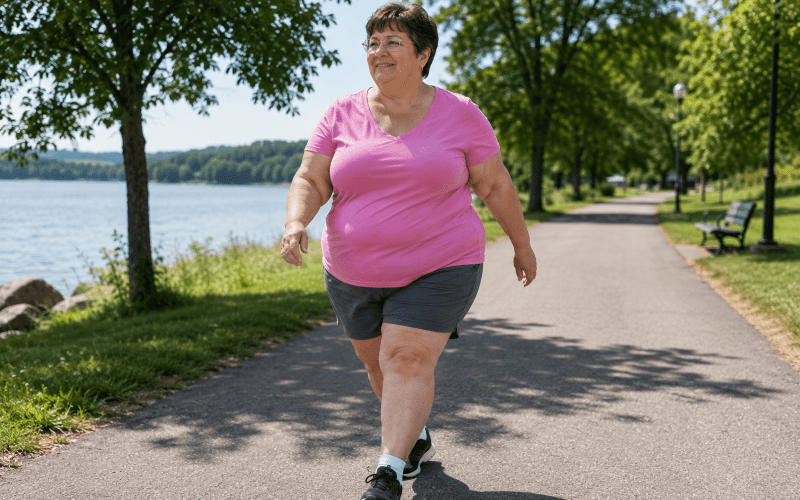
Walking outdoors adds physical and psychological benefits that indoor exercise cannot fully replicate.
Exposure to natural light supports vitamin D production, which plays a key role in bone health, immune function, and mood regulation. Morning sunlight also helps regulate the body’s internal clock, improving sleep quality.
Outdoor walking also engages more muscles due to natural terrain variation and provides sensory stimulation that reduces mental fatigue.
Ways to stay consistent include:
- Morning walks for energy and focus
- Listening to music or podcasts
- Walking with a friend for accountability
- Seasonal variety such as trails, parks, or winter walks
Is Walking Really Cardio? Yes, Absolutely
A walking challenge is a true cardiovascular workout when done consistently. Brisk walking strengthens the heart and lungs, and even a gentle walking challenge improves endurance over time. Increasing pace or adding hills can further enhance results. Even though it feels gentle, consistent walking can significantly improve heart health, stamina, and overall fitness.
Your Journey Starts with One Step
The most effective fitness routine is the one you can maintain consistently. Walking does not require perfection, only repetition.
7-Day Gentle Walking Starter Challenge
Walk only in comfortable shoes with cushioning and support
Choose flat, even surfaces (hallway, driveway, mall, quiet sidewalk)
Use a “talk test”: you should be able to talk normally while walking
Stop immediately if you feel sharp pain, dizziness, or chest discomfort
It’s okay to hold onto a wall, railing, or use breaks anytime
Day 1: “Just Show Up”
Walk: 5 minutes total
Goal: Get your body used to movement again
Focus: Slow, relaxed steps
Day 2: “Easy Repeat”
Walk: 5–6 minutes total
Try: 1–2 short walking sessions
Goal: Repeat Day 1 with confidence
Focus: Comfort, not speed
Day 3: “A Little More Movement”
Walk: 6–8 minutes total
Option: One longer walk or two short ones
Goal: Slight increase without strain
Focus: Consistency over intensity
Day 4: “Build the Habit”
Walk: 8–10 minutes total
Option: 1 walk or split into 2 sessions
Goal: Make walking part of your day
Focus: Easy breathing pace
Day 5: “Strengthen the Routine”
Walk: 10–12 minutes total
Optional: Add 1–2 minutes of slower “warm-up walking” first
Goal: Comfort walking for longer periods
Focus: Steady, relaxed rhythm
Day 6: “Confidence Day”
Walk: 12–15 minutes total
Option: Take a short break halfway if needed
Goal: Prove your body can handle longer movement
Focus: Controlled, gentle pace
Day 7: “Achievement Day”
Walk: 15 minutes total
Option: Break into 2 segments if needed (ex: 8 + 7 minutes)
Goal: Celebrate consistency, not perfection
Focus: Pride in completing the week
Simple Rules for the Week
Any movement counts. Even 2–3 minutes helps. It’s okay to repeat a day if it feels too hard. You are building tolerance, not fitness yet. Rest days are allowed anytime
End of Week Goal
By the end of 7 days, the goal is not weight loss or distance. The goal is: “I can walk a little and it feels possible.” That’s the foundation everything else builds on.
Final Thoughts: Your Walking Challenge Starts Today
The most powerful part of any walking challenge is not the plan itself, but the decision to begin. You do not need perfection, expensive equipment, or intense workouts to improve your health. You only need consistency and a willingness to start small.
This walking challenge is your starting point. It is designed to meet you where you are and help you build momentum one step at a time. Even after the 7 days are complete, the real transformation comes from continuing your walking challenge in a way that feels realistic and sustainable for your life.
Start your walking challenge today with just a few minutes. Repeat it tomorrow. Let each step build confidence, strength, and progress.
Because every walking challenge begins the same way: with one simple step forward.
Disclaimer
This article is for informational and educational purposes only and is not intended as medical advice. Always consult with a qualified healthcare professional before starting any new exercise program, especially if you have existing health conditions, mobility limitations, or concerns about physical activity. Walking should be done at a safe and comfortable pace based on individual ability. Stop immediately if you experience pain, dizziness, or discomfort.