How Artistic Trends Reflect Changing Times
5 min read
812 words
Artistic trends have always reflected the changing world around us. From the grandeur of Renaissance paintings to the bold experimentation of modern digital art, each era develops distinctive styles that reveal what people value, fear, celebrate, and aspire to achieve. Art has long served as a mirror of society, responding to social movements, technological innovations, economic conditions, and shifting cultural attitudes. As societies evolve, artistic styles, themes, and techniques change alongside them, creating a visual record of human history and progress. The connection between artistic trends and society is one of the reasons art remains so fascinating. By studying how artistic movements emerge, grow, and eventually give way to new forms of expression, we gain valuable insight into the priorities, concerns, and aspirations of different generations. Artistic trends do more than shape aesthetics; they document the ever-changing story of humanity.
Art as a Historical Mirror
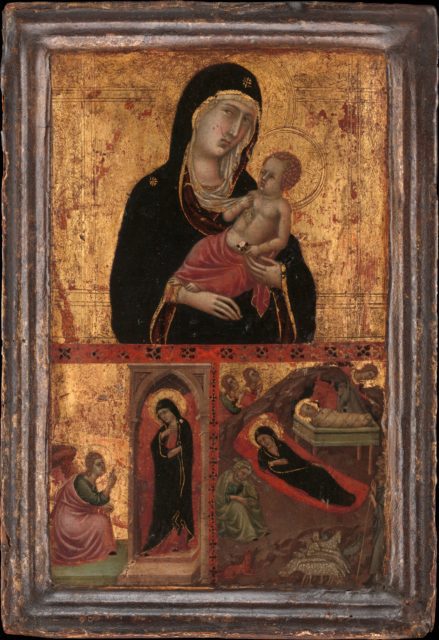
Throughout history, artistic trends have reflected major developments in society. During periods of political change, industrial growth, or cultural transformation, artists frequently use their work to explore emerging ideas and challenge established norms. Their creations provide future generations with a visual representation of the world as it existed during a particular era.
Historical artworks often reveal details about daily life, social expectations, and cultural values that written records may overlook. From Renaissance paintings to modern digital art, each period leaves behind distinct creative expressions that help historians better understand the people who lived through those times.
The Influence of Technology
Technological advancements have consistently shaped artistic trends. The invention of new materials, tools, and production methods has expanded creative possibilities and encouraged experimentation. Photography, digital design software, and virtual reality technologies have all transformed the way artists create and share their work.
Technology not only affects artistic techniques but also influences the subjects artists choose to explore. As societies become more connected through digital platforms, contemporary artists often address themes related to communication, innovation, and the impact of technology on everyday life. These evolving topics demonstrate how art adapts to changing circumstances.
The Role of Identity and Representation
In recent decades, many artistic trends have emphasized diversity, personal identity, and representation. Artists increasingly use their work to share perspectives that may have been underrepresented in previous generations. These themes reflect growing societal interest in inclusion, cultural awareness, and individual experiences.
Art serves as a platform for voices that contribute to broader cultural dialogue. As communities become more interconnected, artistic trends often showcase a wider range of stories and viewpoints. This expansion enriches the creative landscape and helps audiences engage with experiences beyond their own.
Regional Influence and Cultural Heritage
Despite globalization, regional influences continue to shape artistic trends. Many artists draw inspiration from local traditions, landscapes, and cultural heritage while incorporating contemporary techniques and ideas. This blending of old and new creates dynamic artistic expressions that feel both modern and rooted in history.
Subjects connected to identity and place often remain popular because they help preserve cultural traditions while adapting them for contemporary audiences. For example, artwork featuring iconic regional themes such as longhorn art may reflect both historical heritage and modern artistic interpretation. These works demonstrate how traditional symbols can remain relevant even as broader artistic trends evolve.
Art and Social Commentary
Artists have long used their work as a means of commenting on social issues. Throughout history, artistic trends have often emerged in response to political movements, economic challenges, environmental concerns, and cultural debates. Through visual storytelling, artists contribute to conversations that shape public understanding and awareness.
This role allows art to function as more than a decorative medium. It becomes a tool for reflection, education, and engagement. Artistic trends that focus on social commentary often reveal what issues are most important to a particular generation.
The Enduring Relationship Between Art and Society
Although artistic styles change over time, the relationship between art and society remains constant. Artists continue to observe, interpret, and respond to the world around them. Their work serves as both a reflection of current realities and a vision of possible futures.
This ongoing dialogue between creativity and culture ensures that art remains relevant regardless of changing trends. Each new artistic movement contributes another chapter to a larger story that spans generations and connects people through shared human experiences.
Conclusion
Artistic trends provide valuable insight into the social, cultural, and technological forces that shape different periods of history. As societies evolve, artists respond by developing new styles, themes, and methods of expression that reflect changing values and perspectives. Their work creates a lasting visual record of the times in which they live.
By examining artistic trends, people gain a deeper understanding of both past and present cultures. Art continues to evolve alongside society, capturing the challenges, achievements, and aspirations of each generation. This enduring connection ensures that artistic expression will remain a powerful reflection of changing times for years to come.