Healthy eating after 50: I Stopped Dieting at 57
11 min read
2022 words
I am 57 and I am tired of the diet treadmill, and I am learning what healthy eating after 50 actually looks like in real life. The constant calorie counting. The label reading. Obsessing over every bite. Being told that certain foods are “good” while others are “bad.” Feeling guilty for enjoying a meal or eating an ice cream cone with my family.
At 57, I stopped dieting and started practicing a simpler approach to eating, often called intuitive eating for women over 50. It was the first time I stopped trying to control every detail and started paying attention to what my body actually needed.
For years, I believed that losing weight meant living in constant restriction. I would follow a plan, lose a few pounds, get frustrated, and eventually end up right back where I started. This cycle is something many women experience when trying to understand how to lose weight without dieting.
This year, I decided I was done with dieting. Not because I stopped caring about my health, but because I wanted to care about it differently. Instead of focusing on what I could not eat, I started focusing on what I could add to my plate to support healthy eating after 50 and feel better day to day.
I am not looking for a quick fix. I am not trying to lose twenty pounds before my Montreal vacation, although that would be nice. I simply want more energy, fewer cravings, better blood sugar balance, and improved long term health so I can feel stronger and live longer.
Surprisingly, keeping things simple has made the biggest difference.
Ditch the Diet: My Simple 3 Part Strategy for Energy and Weight Loss
I have stopped chasing complicated diet trends. For years, I was stuck in a cycle of calorie counting, restrictive meal plans, and frustration. I have realized that for women exploring weight loss, quick fixes rarely last. At 57, I am finally embracing a lifestyle of healthy eating after 50 that focuses on nourishment rather than restriction. I focus on a simple approach often called protein fiber healthy fats meals.
I have traded the math for a simple, sustainable eating strategy that actually fuels my body. I no longer follow a complicated, restrictive eating plan. Instead, I have learned to build every meal around three simple, powerful components:
- Fiber Rich Vegetables: These are the foundation of every meal. Leafy greens, broccoli, peppers, and salads help support blood sugar balance diet goals and keep me full longer.
- Quality Lean Protein: I make sure to include a solid, palm sized portion of protein, like chicken, fish, or eggs, in every single meal. Protein is the key to maintaining muscle mass, supporting my metabolic health, and stopping those mid afternoon hunger cravings in their tracks.
- Healthy Fats: I have stopped fearing fats. Adding a little olive oil, avocado, or a handful of nuts to my plate helps with nutrient absorption and keeps my energy levels steady throughout the entire day.
That is it. It sounds almost too simple to be true, but it is a game changer. When I focus on these three pillars, which are fiber, protein, and healthy fats, I naturally feel more satisfied, less hungry, and finally in control of my own health.
If you are tired of the dieting cycle and want to focus on long term metabolic health and sustained energy, this simple plate building method is a great place to start. It is not about perfection. It is about choosing whole, nutrient dense foods that help you feel like your best, most vibrant self.
The Big Green Rule
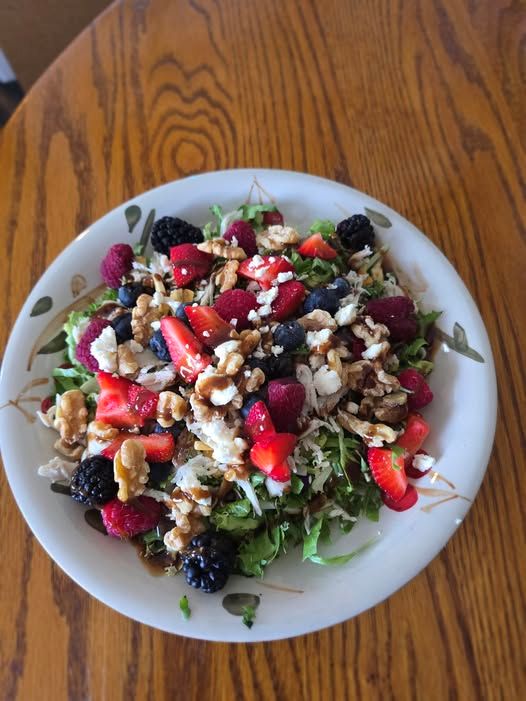
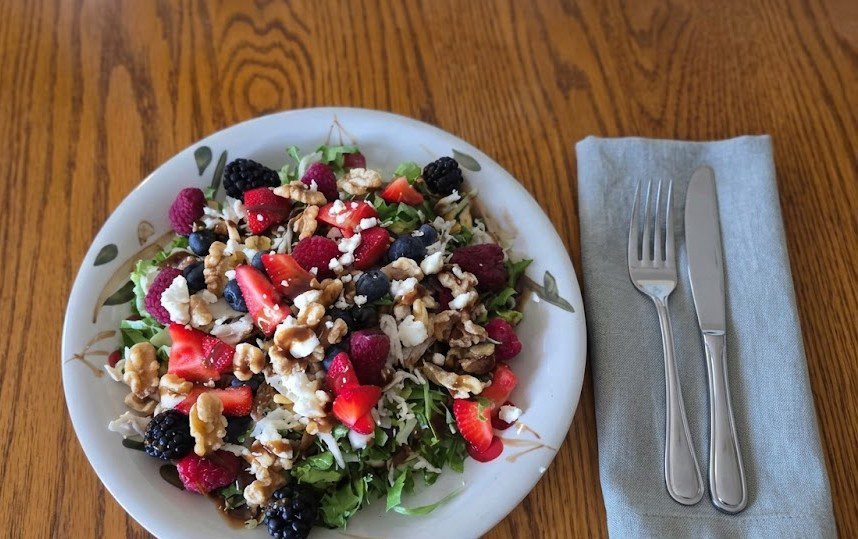
I fill about half my plate with vegetables whenever possible. Spinach, peppers, broccoli, green beans, cauliflower, cucumbers, and salads have become staples in my kitchen. A great example of this way of eating is my Diabetic Berry Green Salad: The Glucose Friendly Bowl, which combines fiber rich greens with berries and healthy fats to help support steady energy and balanced blood sugar.
When I eat plenty of fiber, I stay full longer. I do not experience the same energy crashes that used to send me searching for a second late night snack. My digestion feels better, and I feel like I am giving my body what it needs.
I also realized I used to skip lunch. For years, I would stay busy all day and tell myself I was not hungry. By evening, I was starving. Now I make sure I eat balanced meals consistently, which supports better energy and is a key part of my journey toward healthy eating after 50.
The Power of Protein
One of the biggest mistakes I made in the past was not eating enough protein. Now I make sure every meal contains a solid source of protein.
My favorites include:
- Haddock
- Chicken breast
- Eggs
- Greek yogurt
- Cottage cheese
- Salmon
Protein helps me stay satisfied. I have learned that feeling full is not something to fear. It is actually a sign that my body is getting what it needs.
Learning to Enjoy Healthy Fats Again
Healthy fats are an important part of feeling satisfied after a meal. A little olive oil on a salad, slices of avocado, nuts, seeds, or fatty fish can add flavor and help keep hunger under control. When meals taste good, healthy eating becomes much easier to maintain.
What I Eat in a Typical Day (Simple Plate Method)
My meals are not fancy. They are simple, practical, and easy to prepare.
Breakfast
Scrambled eggs, served with a few slices of avocado.
Lunch
A large salad packed with greens and topped with shredded chicken.
Dinner
Baked haddock, basmati rice, roasted broccoli or another vegetable filling half the plate. Sometimes I add a small serving of potatoes, or another carbohydrate. I am no longer trying to eliminate foods. I am simply building balanced meals.
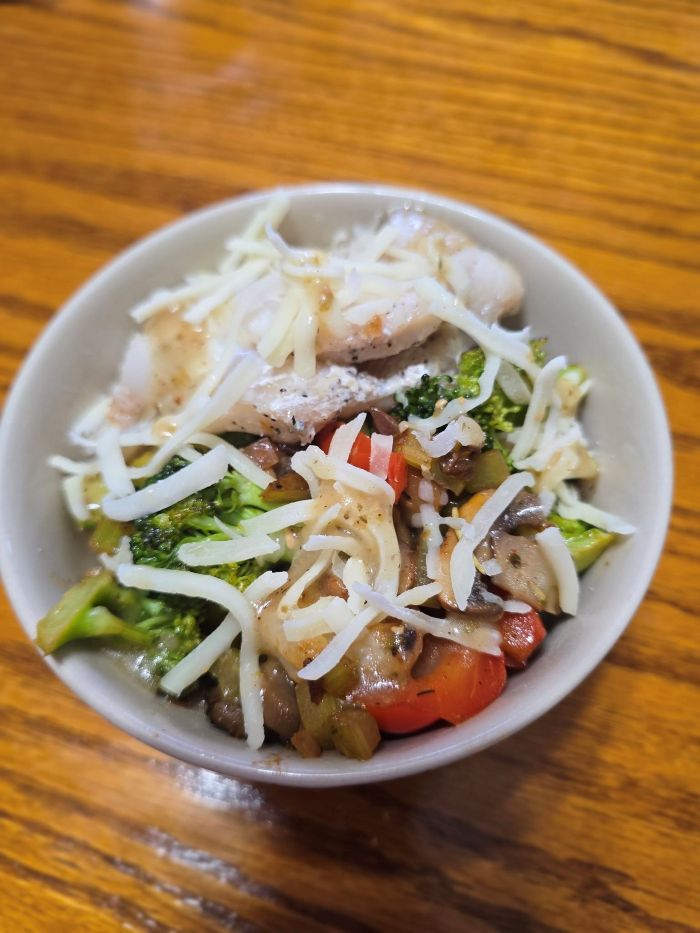
One of my favorite examples of this style of eating is my Glucose Friendly Bowls: Mediterranean Haddock Harvest Bowl, which fits perfectly into this simple plate method and keeps blood sugar steady while still feeling satisfying.
What I Wish Someone Had Told Me Years Ago
One of the biggest surprises has been realizing that hunger is not a character flaw. For years, I blamed myself for being hungry. I thought I lacked willpower. What I have learned is that many of us are trying to get through the day on foods that do not truly satisfy us. When I eat enough fiber, protein, and healthy fats, I feel naturally fuller. I spend less time thinking about food and more time living my life.
- Healthy eating does not have to be complicated.
- There are no expensive meal plans.
- There are no miracle supplements.
- There is simply the daily practice of giving your body the nourishment it needs.
Other Lessons I Am Learning
Sleep Matters More Than I Realized
Getting enough sleep helps me make better choices without relying on willpower.
Movement Is Not Punishment
Walking, running errands, getting up to move around the house, and doing chores are all forms of movement. I no longer exercise to burn off food. I move because I want to stay mobile, strong, and independent as I get older. This shift is part of my stop dieting mindset and has made movement feel supportive instead of punishing. Whether it is walking, gardening, stretching, or strength training, movement will help you feel better physically and mentally.
Progress Beats Perfection
There are still days when I eat foods that are not part of my ideal plan. The difference is that I no longer view those moments as failure. One meal does not define my health. I simply return to my usual routine at the next meal and move on. No guilt. No punishment. No starting over.
Why This Feels Different
For the first time in years, I am not measuring success solely by the number on the scale.
Instead, I pay attention to things like:
- My energy level
- My mood
- My sleep quality
- My hunger levels
- How my clothes fit
- How strong I feel
Those changes matter too. At 57, I have spent enough years criticizing my body. Now I want to support it. I want to nourish it.
Increasing My Water Intake
One of the simplest changes I have made is increasing my water intake throughout the day. It sounds small, but it has made a noticeable difference in how I feel.
I used to underestimate how much dehydration could affect hunger, energy, and cravings. Now I try to drink water consistently, especially in the morning and between meals. I notice that when I am well hydrated, I have fewer cravings and more stable energy levels.
Sometimes what feels like hunger is actually just thirst, so staying hydrated helps me better understand what my body really needs. It also supports digestion and helps me feel more balanced overall.
I do not follow a strict rule or count litres. I simply keep my water bottle nearby and make it a habit to sip throughout the day. Like everything else in this approach, it is about consistency, not perfection.
Conclusion
If you are tired of dieting and looking for a simpler approach, perhaps start with your next meal. Add a little more green to your plate. Include a source of protein. Do not be afraid of healthy fats. You do not have to be perfect. You just have to keep showing up for yourself. And after years of beating myself up over my weight, that feels like a much healthier place to begin.
I have also lost some weight following this way of eating and living. I still have a long way to go, but it feels like a start and a small one I can actually stick with.
Frequently Asked Questions
Why is protein important after age 50?
Protein helps maintain muscle mass, supports healthy aging, and can help increase feelings of fullness after meals.
What foods help keep blood sugar stable?
Meals that combine fiber, protein, and healthy fats may help reduce blood sugar spikes and crashes. Examples include vegetables, fish, eggs, nuts, seeds, legumes, and healthy oils.
Is it too late to improve eating habits after 50?
Absolutely not. Positive changes in nutrition, sleep, movement, and stress management can improve health and quality of life at any age.
What is the easiest healthy eating habit to start today?
Adding more vegetables and ensuring every meal contains a source of protein is a simple and sustainable place to begin.
Can you lose weight without dieting?
Yes. By focusing on nourishment instead of deprivation, you can shift your body into a state where it naturally finds its balance. When you prioritize nutrient dense whole foods, you stop fighting your biology and start supporting it.
What is intuitive eating for women over 50?
For me, it means listening to my body’s actual hunger cues instead of a calorie tracker. At 57, I am learning to trust myself to choose foods that provide real energy rather than quick bursts of sugar that lead to later regret.
What foods help balance blood sugar?
The secret is focusing on non starchy vegetables, lean proteins, and healthy fats. These foods slow the absorption of glucose, which is the most effective way to prevent those exhausting energy crashes.
Why am I always hungry on diets?
Diets often focus on restricting calories without providing the fiber and protein your body needs to feel satisfied. When you constantly cut back without focusing on the quality of your fuel, your body will naturally scream for more energy, leading to intense cravings.
Is it possible to improve health without calorie counting?
Absolutely. Improving your metabolic health is about the quality of the nutrients you provide to your cells. When you move away from the obsession with numbers and focus on fiber, protein, and healthy fats, you build a sustainable foundation for vibrant living.
If you are tired of the dieting cycle and want to focus on long term metabolic health and sustained energy, this simple plate building method is a great place to start. It is not about perfection. It is about choosing whole, nutrient dense foods that help you feel like your best, most vibrant self.