Easy Hydration Tips for Summer Heat (Simple & Effective)
7 min read
1286 words
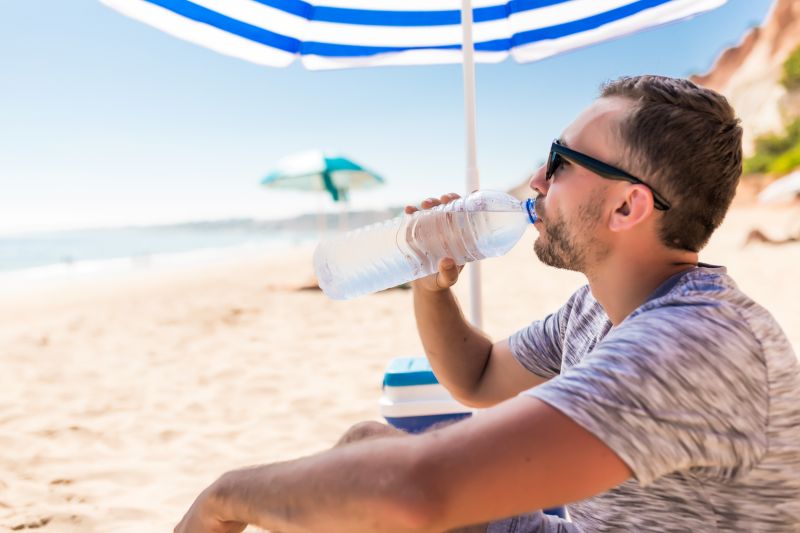
When the sun comes out and temperatures rise, your body works overtime to keep you cool. Yet, many of us spend our summer days existing in a state of mild, unnoticed dehydration. If you have been feeling sluggish, struggling with persistent headaches, or fighting off that mid-afternoon brain fog, you are not alone. Most people simply aren’t drinking enough water to keep up with the summer heat. Staying properly hydrated isn’t just about avoiding thirst; it is the secret to maintaining your energy, focus, and overall well-being during the hottest months of the year. In this guide, we’ll explore easy hydration tips for summer that fit seamlessly into your lifestyle, helping you beat the heat with simple, realistic habits you can maintain every day.
Staying hydrated in summer means drinking water consistently throughout the day, eating water-rich foods, and replacing electrolytes when needed to prevent fatigue, headaches, and low energy.
Easy Hydration Tips for Summer (What You’ll Learn)
- Simple ways to stay hydrated in hot weather
- Signs of dehydration you shouldn’t ignore
- Best drinks for summer hydration
- Daily routine to avoid fatigue and headaches
Why Staying Hydrated in Summer Is So Important
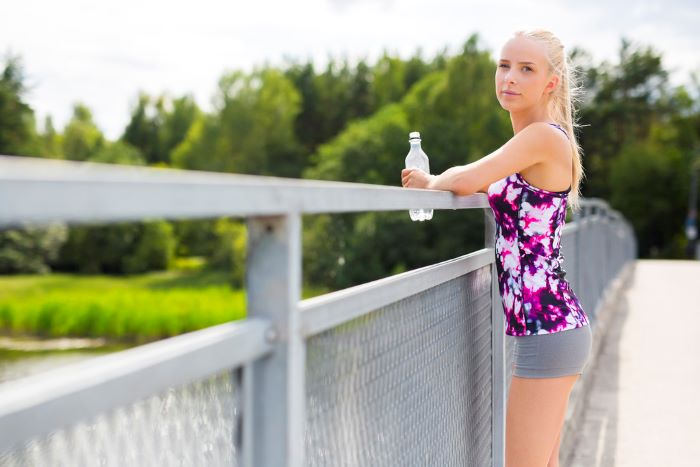
As temperatures rise, your body loses fluid much faster through sweat, evaporation, and increased physical activity. Sweating is your body’s natural cooling system, but it also means you are constantly losing water and essential minerals.
Even mild dehydration can disrupt how your body functions. You might not notice it right away, but it can lead to fatigue, irritability, headaches, and difficulty concentrating. Many people assume they are just “tired” when in reality, they are under-hydrated.
Water plays a role in nearly every system in your body, from regulating temperature to supporting brain function. Without enough of it, your energy levels drop and everyday tasks feel more difficult than they should.
Why dehydration happens faster in hot weather
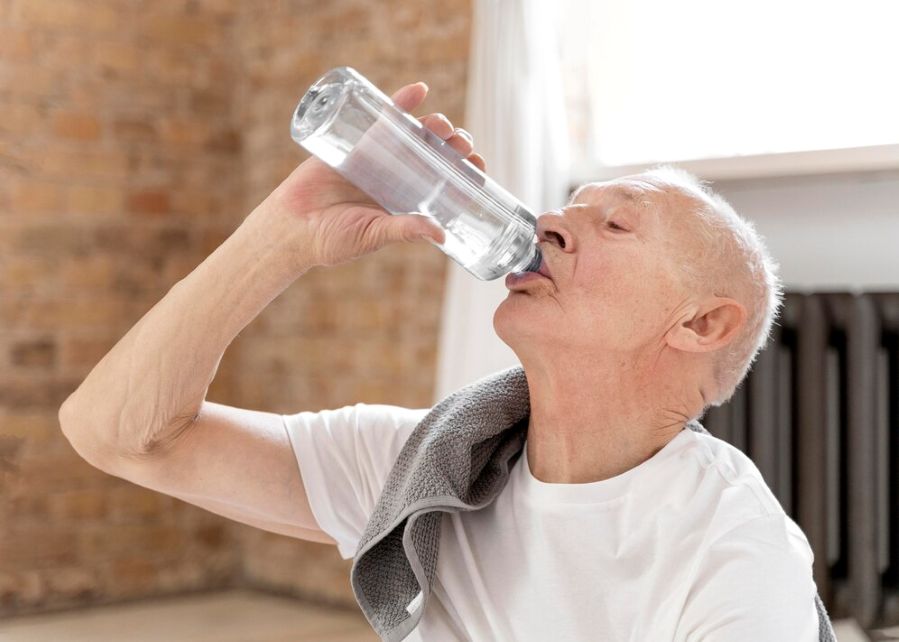
Hot weather increases fluid loss through sweat, but most people don’t realize how quickly this adds up. Even short periods outside, walking, or sitting in direct sunlight can increase dehydration risk.
You also lose electrolytes faster in summer, especially sodium and potassium, which affects energy levels and hydration balance.
Signs You’re Not Drinking Enough Water
Your body sends clear signals when it needs more fluids. Paying attention to these signs can help you prevent dehydration before it becomes uncomfortable:
- Urine color changes: Dark yellow or amber urine often indicates low hydration levels.
- Dry mouth or lips: A common early sign your body needs more fluids.
- Headaches or dizziness: Often caused by reduced fluid balance in the body.
- Fatigue: Feeling unusually tired even after a full night’s rest.
- Brain fog: Difficulty focusing or staying mentally sharp.
- Cravings: Salt or sugar cravings may signal electrolyte imbalance.
How dehydration affects your energy and focus
Even mild dehydration can impact:
- Brain performance and memory
- Mood stability
- Physical energy levels
- Digestion and appetite
Many people mistake these symptoms for stress or fatigue when hydration is the real cause.
Easy Hydration Tips for Summer
Drink Consistently Throughout the Day
Instead of drinking large amounts of water at once, aim to sip consistently throughout the day. This helps your body absorb fluids more effectively and prevents sudden dips in hydration. Keeping a water bottle nearby makes this much easier.
Eat Water-Rich Foods
Hydration doesn’t come only from drinks. Many fruits and vegetables contain high water content and help support hydration naturally. Summer is the perfect time to include foods like watermelon, cucumbers, strawberries, oranges, and lettuce in your meals and snacks.
Replace Electrolytes When Needed
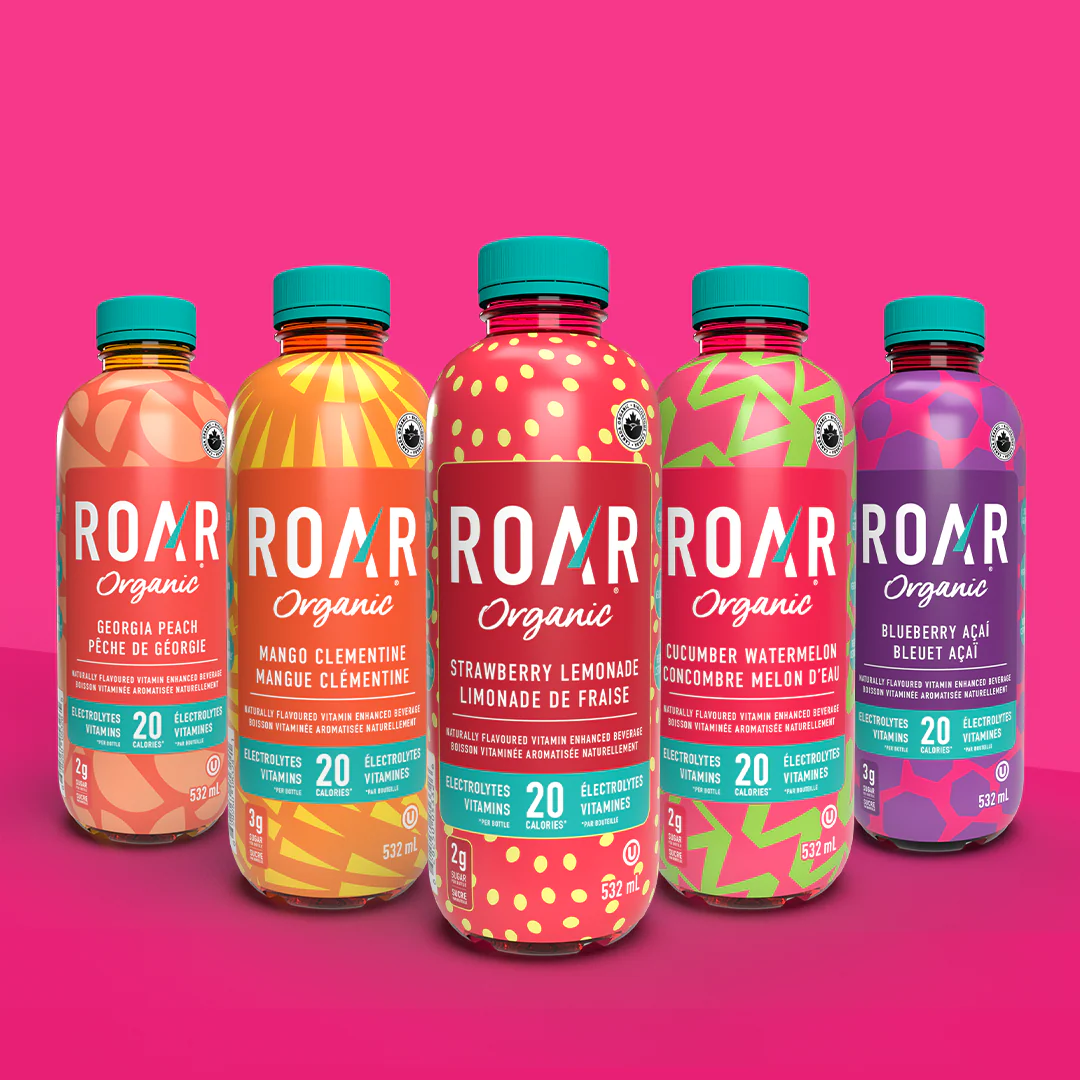
When you sweat in hot weather or during physical activity, your body loses not only water but also essential electrolytes like sodium and potassium, which are critical for proper hydration and energy balance. To support summer hydration, it’s important to replenish these minerals with electrolyte drinks for summer hydration, such as coconut water or low-sugar electrolyte beverages like Roar Organics, which can help restore hydration levels more effectively than sugary sports drinks.
Make Water More Enjoyable
If plain water feels boring, there are simple ways to make it more appealing. Add fresh lemon, cucumber slices, berries, or mint to your water for natural flavor. Sparkling water can also be a refreshing alternative, especially on hot days.
Build Hydration Into Your Routine
One of the easiest ways to stay hydrated is to connect drinking water with daily habits. For example, drink a glass of water when you wake up, before meals, and before leaving the house. These small habits add up without requiring much effort.
How to Stay Hydrated in a Heatwave

During extreme heat, hydration needs increase significantly. Try to stay in shade when possible, drink small amounts of water frequently, and avoid waiting until you feel thirsty. Cooling your body and maintaining electrolyte balance becomes just as important as drinking water.
If you are experiencing more intense symptoms during extreme heat, it may be related to serious heat-related illness. You can learn more here:
Heat Exhaustion and Heatstroke – Ontario Heatwave.
Best drinks for hydration (ranked)
- Water (best overall)
- Coconut water (natural electrolytes)
- Herbal iced tea (caffeine-free hydration)
- Low-sugar electrolyte drinks
- Infused water (fruit + herbs)
Hydration Mistakes People Make in Summer
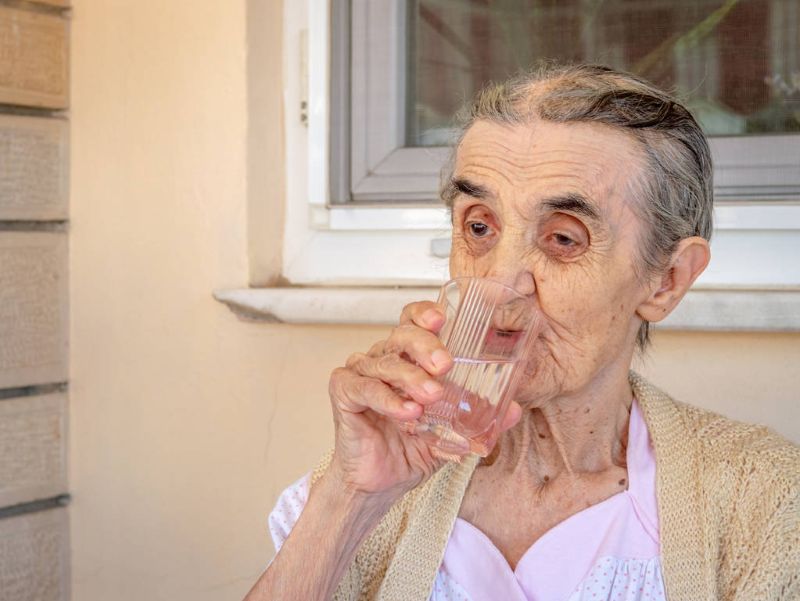
Many people unintentionally make hydration harder than it needs to be. Avoiding these common mistakes can significantly improve how you feel during hot weather:
- Waiting for thirst: Thirst is a late sign of dehydration, not an early warning.
- Relying on caffeine: Coffee and energy drinks should not replace water intake.
- Ignoring electrolytes: Especially important if you are sweating heavily.
- Inconsistent drinking habits: Long gaps without water can lead to fatigue and headaches.
How Much Water Do You Actually Need?
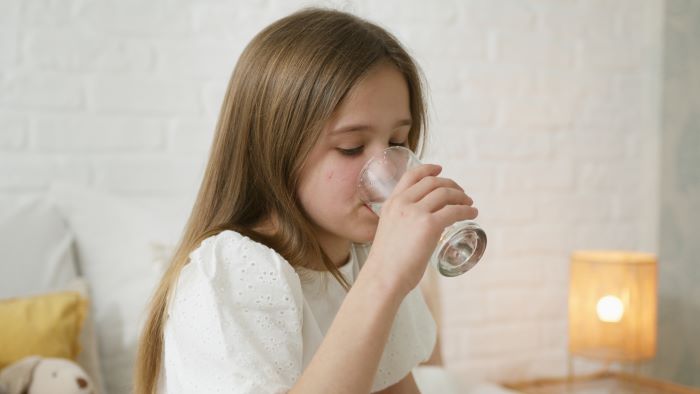
There is no single number that works for everyone. While the “eight glasses a day” rule is a helpful starting point, your actual needs depend on your body, activity level, and the temperature outside.
If you are spending time outdoors, exercising, or sweating more than usual, your body will need additional fluids. A simple guideline is to listen to your body: if your urine is dark, or you feel tired or dizzy, increase your water intake.
If you feel energized and your body feels balanced, you are likely staying well hydrated.
Simple Daily Hydration Routine
- Morning: Drink 1–2 glasses of water after waking up to rehydrate your body.
- Mid-morning: Keep a water bottle nearby and sip regularly.
- Afternoon: Replenish fluids with water or an electrolyte drink if needed.
- Evening: Switch to lighter hydration like herbal tea to wind down.
FAQ
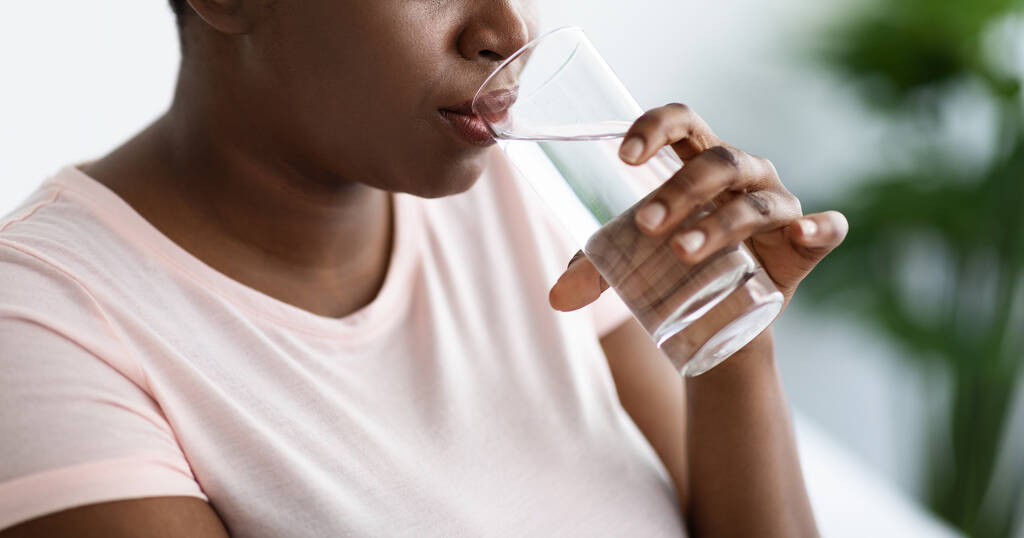
Q: How much water should I drink in summer?
It depends on heat, activity level, and sweat loss, but most people need more than usual daily intake during hot weather.
Q: What are early signs of dehydration?
Headaches, fatigue, dark urine, dizziness, and brain fog are common early signs.
Q: Can food help with hydration?
Yes! Fruits like watermelon, cucumber, and oranges contain high water content.
Conclusion
Staying hydrated in summer doesn’t require complicated routines or strict rules. It’s about building simple, consistent habits that support your body throughout the day.
By following these easy hydration tips for summer, you can improve your energy levels, mental clarity, and overall comfort during hot weather. Small daily actions like sipping water regularly, eating hydrating foods, and listening to your body can make a noticeable difference.
With the right habits, you can enjoy the summer feeling refreshed, focused, and energized.
This article is for informational and educational purposes only and is not intended as medical advice. Always consult a qualified healthcare professional if you have concerns about dehydration, heat-related illness, or any medical condition. In cases of severe symptoms such as confusion, fainting, or suspected heatstroke, seek emergency medical attention immediately.