
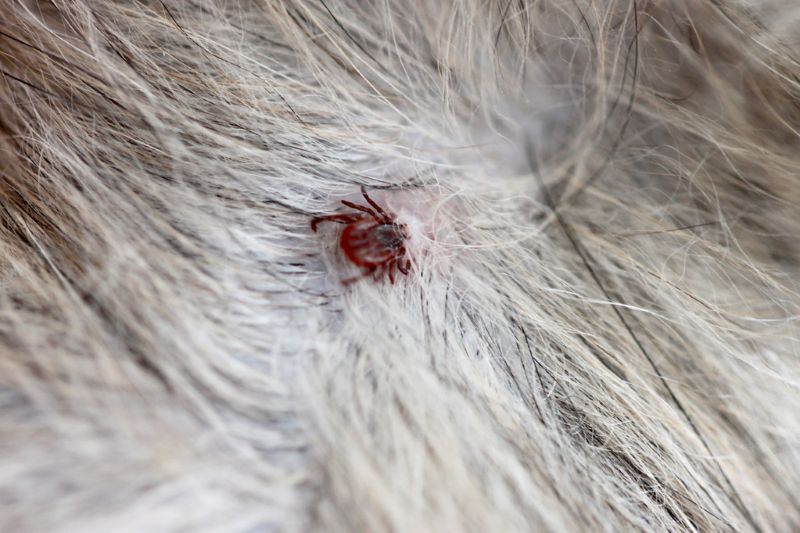
Does Natural Flea and Tick Spray for Dogs Really Work?
4 min read
700 words
Let’s be real: nobody wants to find a creepy crawly on their dog. We all want the best for our dogs, and lately, there’s been a huge trend toward ditching the chemical stuff and going full on DIY for a natural flea and tick spray. It’s tempting to mix up a batch of something in your kitchen, but are these homemade potions actually doing anything to keep your dog safe? Let’s dive in.
Why Real Protection Matters
Before we talk about DIY, let’s remember why we’re doing this. Fleas and ticks aren’t just annoying; they’re basically tiny, disease carrying zombies. They can cause anemia, severe skin infections, and transmit serious illnesses like Lyme disease or Rocky Mountain Spotted Fever. If you live in an area that stays warm, these pests are basically waiting for your dog 24/7.
The DIY Breakdown: What Are You Spraying?
DIY fans usually swear by a few key ingredients:
- Apple Cider Vinegar: Often used to change the dog’s skin pH.
- Lemon or Citrus: Supposedly smells too fresh for bugs to handle.
- Essential Oils (Cedarwood, Lavender, Neem): Some believe these provide a strong natural flea and tick spray effect, but these are highly concentrated substances.
But here’s the kicker: There is a massive difference between repelling and killing. Most natural ingredients might make a flea sneeze or head in the other direction for a few minutes, but they rarely pack the punch needed to actually kill an infestation or prevent a tick from latching on for a meal.
The Danger Zone: Essential Oils Aren’t Always Safe
Just because something comes from a plant doesn’t mean it’s harmless. Essential oils are super concentrated and potent. If they aren’t diluted correctly, they can cause serious problems, including skin burns, vomiting, or respiratory distress.
WARNING: Toxic Ingredients
Never use Tea Tree oil, Pennyroyal, Clove, Cinnamon, or high doses of Peppermint. These are toxic to dogs and can cause real damage. If you have a puppy, a small breed, or a senior dog, the risk factor skyrockets. Always do a patch test first before applying any natural flea and tick spray.
The Hidden Problem: Parasite Resistance
Here’s something people don’t talk about enough: Parasites are getting smarter. Just like bacteria can become resistant to antibiotics, fleas and ticks can develop a resistance to certain treatments over time if those treatments are too mild.
If you notice a particular method isn’t working as well as it used to, don’t just keep using more of it. Consult your vet about a rotation of products and keep your yard clean. Relying on a weak natural flea and tick spray when the local pest population has evolved to ignore them is a recipe for a full blown infestation.
Should You Ditch the DIY?
You don’t have to throw the baby out with the bathwater. Many owners use natural products as an extra layer of protection for a quick hike, but they shouldn’t replace high quality, vet approved preventatives.
Pro Tips for Pest Management
- Keep the grass short: Ticks love tall, shady grass.
- Deep clean: Wash pet bedding weekly and vacuum frequently.
- The Tick Check: Make it a habit to run your hands over your dog after every walk. No spray is as effective as your own two eyes catching a tick before it embeds.
When to See the Vet
If you see your dog constantly scratching, biting at their tail, or if you spot a little black speck moving in their fur, it’s time to call the pros. If your dog seems lethargic, isn’t eating, or has weird red spots, don’t mess around with DIY; get to the vet.
The Bottom Line

DIY sprays might smell great and offer a tiny bit of extra protection for a quick walk around the block, but they aren’t a substitute for the heavy duty, science backed stuff. Balancing natural vibes with proven veterinary protection is the smartest way to keep your best friend happy, healthy, and bug free.
Disclaimer: This content is for educational purposes only and does not constitute veterinary advice. Always consult with your veterinarian before introducing new products to your pet’s wellness routine.






Kim, this article came at a good time. I just had a discussion with someone on Facebook today about this very thing. Prescription preventatives are widely used because they help protect dogs from serious and sometimes life-threatening diseases. Many responsible pet owners and veterinarians carefully weigh the benefits and risks and choose the option that best protects their individual dog.