The Rise of Microblading: The Ultimate Guide
5 min read
861 words
For decades, the pursuit of the perfect eyebrow has involved pencils, powders, gels, and countless hours spent squinting in the mirror. But the beauty landscape has changed dramatically with the rise of microblading. This revolutionary technique offers a solution for sparse, uneven, or over-plucked brows, delivering natural-looking results that last.
If you’ve heard the term but still have questions—from the process itself to the healing time and expected costs—you’ve come to the right place. This is your definitive, ultimate guide to microblading, designed to provide clarity, comfort, and confidence as you consider this life-changing semi-permanent makeup treatment.
1. What Exactly is Microblading?
Often misunderstood as a traditional tattoo, microblading is a sophisticated, manual technique used to create the illusion of fuller, more defined eyebrows.
The Technical Details
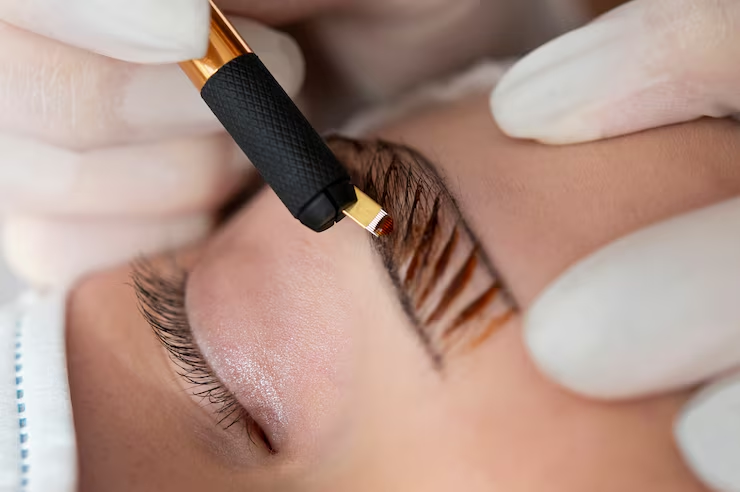
Microblading utilizes a small, handheld tool composed of several tiny needles (a “microblade”). This tool is used to implant pigment beneath the surface layer of the skin (the epidermis, entering the upper dermis) in fine, hair-like strokes.
The key differences that set this technique apart from traditional body tattooing are:
- Depth: The pigment is deposited much shallower than a standard tattoo, which is why microblading is considered semi-permanent makeup.
- Tool: A manual tool is used instead of a motorized tattoo gun, allowing the artist precision to mimic natural hair growth patterns.
- Pigment: Specialized pigments are used that are designed to fade over time without changing color (e.g., turning blue or green), ensuring the results look fresh.
The goal isn’t just to fill in gaps, but to create the most realistic, textured, and natural brow enhancement possible.
2. The Microblading Process: From Consultation to Confidence
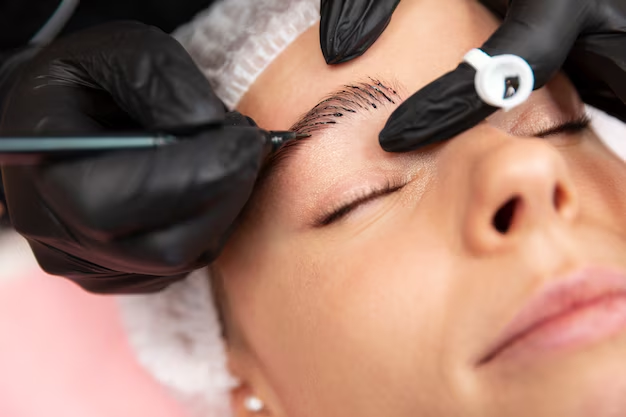
Understanding the steps involved demystifies the treatment and helps manage expectations. The full microblading process typically requires two appointments spaced 4–8 weeks apart.
Step 1: The Initial Consultation and Design
This is perhaps the most critical stage. Your artist will:
- Discuss Goals: Determine your desired shape, color, and intensity (natural vs. bold).
- Mapping and Measuring: Using specialized tools (like the Golden Ratio method or string mapping), the artist measures your facial structure to find the most flattering and symmetrical shape for your unique features.
- Drawing the Outline: The artist draws the final agreed-upon shape onto your skin with a removable pencil. No pigment is applied until you have approved this outline.
Step 2: The Procedure
Once the shape is confirmed:
- Numbing: A topical anesthetic (numbing cream) is applied to minimize discomfort. Many clients report the sensation feels like light scratching or tweezing.
- The Blading: The artist meticulously creates the hair-like strokes, implanting the chosen pigment color. This stage usually takes 1–2 hours.
- Setting: A final layer of pigment is applied and left to absorb briefly before the area is cleaned.
Step 3: The Touch-Up (The Perfecting Session)
Approximately 4–8 weeks later, you return for your mandatory touch-up. This session is essential because:
- It allows the artist to assess how your skin retained the pigment.
- It lets them darken any strokes that faded too much during the microblading healing process.
- It ensures the shape and symmetry are absolutely perfect, boosting the longevity of the results.
3. Post-Care and the Microblading Healing Journey
The quality of your final results depends heavily on your adherence to aftercare instructions. The microblading healing process occurs in distinct stages:
Days 1–5: The Dark and Bold Phase
Your brows will appear significantly darker and bolder than the final healed result. The skin may be slightly red, tender, or swollen. It is crucial to keep the area dry (avoiding water, steam, and excessive sweating).
Days 5–10: The Scabbing and Flaking Phase
The treated area will begin to scab and flake. Do not pick the scabs. Picking can pull out the pigment and lead to patchy results. The skin underneath may look extremely light or even absent of color. This is normal.
Weeks 2–4: The Ghosting Phase
The color seemingly disappears, as new skin cells form over the pigment. This temporary “ghosting” phase can cause worry, but the color will resurface as the pigment settles into the dermis.
Week 6: The Final Result
By the time you reach your touch-up appointment, the pigment will have fully settled, and your true, beautiful result will be visible.
4. Suitability, Safety, and Longevity
How Long Does Microblading Last?
Microblading typically lasts between 12 and 18 months, though this varies based on skin type (oilier skin fades faster), lifestyle (sun exposure), and products used. Annual color boosts are recommended to maintain crispness and color vibrancy.
Is Microblading Safe?
When performed by a licensed, certified, and reputable professional in a sterile environment, microblading is very safe. Ensure your technician uses sterile, single-use tools.
Who is the Ideal Candidate?
Ideal candidates have:
- Sparse eyebrows needing definition.
- Hair loss or uneven growth patterns.
- Dry to normal skin types.
Note: Individuals with certain medical conditions, pregnant women, or those prone to keloid scarring may not be suitable. Always have a thorough consultation!
Conclusion: Achieving Your Dream Brows
Microblading is more than just a beauty treatment; it’s an investment in convenience and confidence. By understanding the process, respecting the healing journey, and choosing a highly skilled artist, you can achieve flawlessly shaped, natural-looking brows that require minimal daily maintenance.
Ready to wake up with perfect brows every day?