How Women’s Golf Fashion Is Breaking Traditional Dress Code
5 min read
924 words
Golf has always had a distinctive relationship with fashion. From collared shirts and tailored trousers to pleated skirts and traditional knitwear, certain styles have been associated with the game for generations. While some of these influences remain, women’s golf fashion is becoming increasingly varied.
Today, players can choose clothing that reflects their personal style while still meeting the practical demands of the sport. Technical fabrics, contemporary silhouettes and more versatile designs are helping to reshape what golf clothing looks like, both on the course and beyond it.
Traditional Golf Style Is Evolving
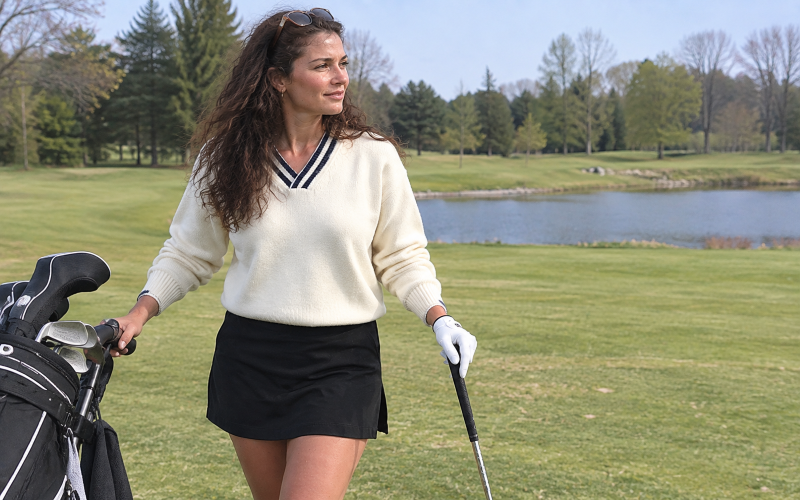
Dress codes remain part of golf culture, particularly at more traditional clubs. However, the clothing available to women has changed considerably. Classic pieces have not disappeared. Polo shirts, tailored trousers, skirts and knitwear remain popular, but modern interpretations can offer different cuts, colours and details. Golf dresses and skorts have also become familiar sights on courses, giving players more options when building an outfit.
This evolution means dressing appropriately for golf does not necessarily require adopting a uniform appearance. Instead, traditional influences can provide the foundation for a much more individual wardrobe.
Performance and Style Can Work Together
One of the biggest developments in modern sportswear has been the increased focus on combining technical performance with everyday style. Golf is particularly suited to this approach because clothing needs to accommodate movement while often being worn for several hours.
Stretch fabrics can allow greater freedom through the golf swing, while breathable and sweat-wicking materials can make playing in warmer weather more comfortable. UV protection can provide another useful feature during long periods outdoors.
These practical details no longer have to result in clothing that looks purely functional. Brands such as The Rose Club demonstrate how women’s golf clothing can combine technical features with fashion-conscious design, providing options for players who want their outfits to perform on the course without losing a sense of personal style.
Women Want More Choice
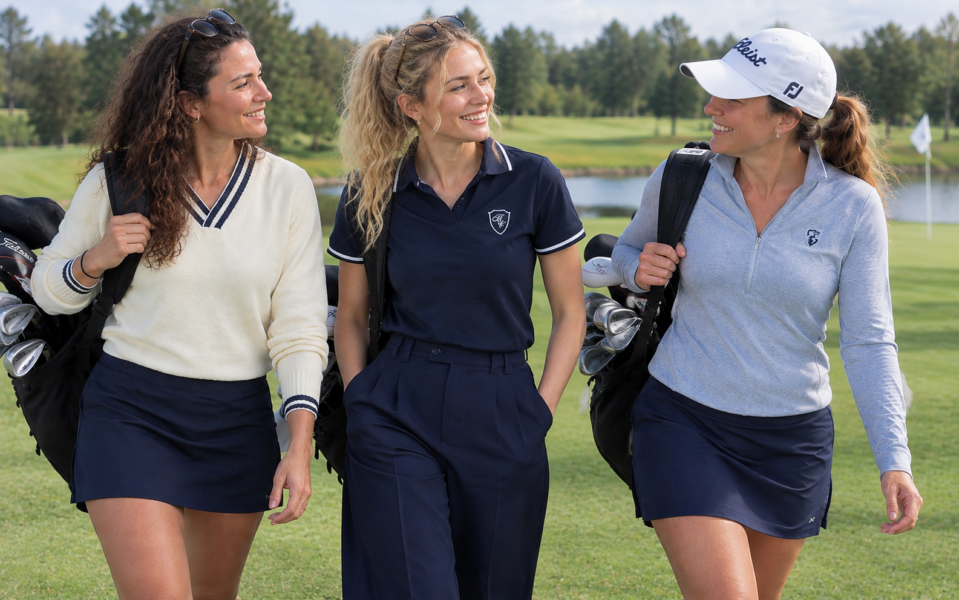
For many years, women’s sportswear ranges were considerably more limited than their male equivalents. Golf was no exception, with female players sometimes having fewer options when it came to fits, designs and overall variety. Greater choice allows women to decide what makes them feel comfortable and confident rather than relying on a narrow definition of what a golfer should wear.
Some players may prefer traditional polos and trousers, while others feel more comfortable in dresses, skorts or modern layering pieces. Neither approach is inherently more suitable as long as the clothing meets course requirements and allows the player to move freely. The result is a golf wardrobe that can reflect the individual rather than simply the sport.
Golf Clothing Is Becoming More Versatile
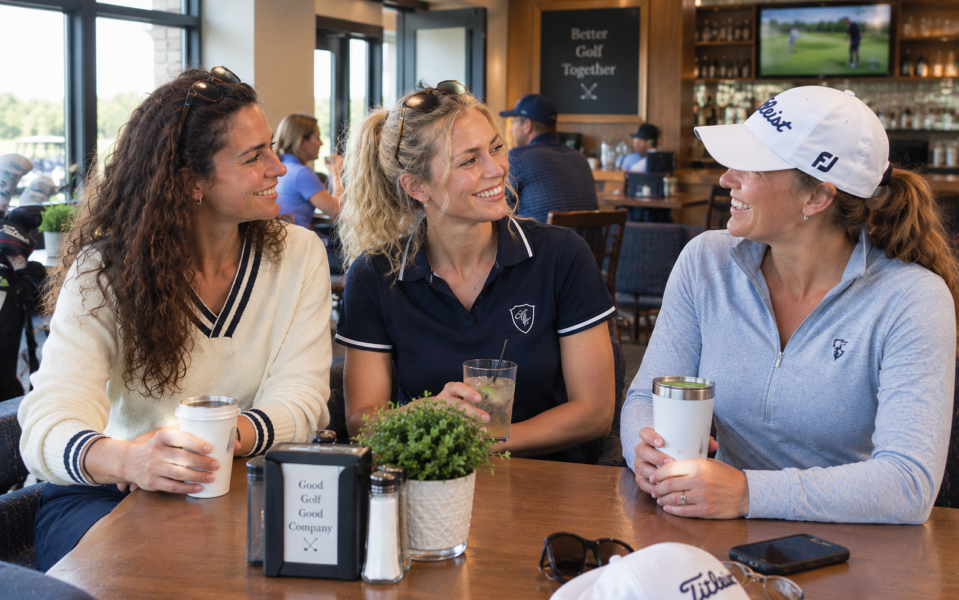
Golf can occupy a substantial part of the day. A round may be followed by lunch, drinks or time spent socialising at the clubhouse, and players may have other plans afterwards. This has increased the appeal of clothing that does not look out of place away from the fairway. A well-cut pair of trousers could work just as easily for lunch, while a stylish polo or knit can be incorporated into an everyday outfit.
Golf dresses are another example. Contemporary designs can offer the movement and practical features required for playing while having a silhouette that does not immediately resemble traditional sportswear. Versatility can also make a golf wardrobe more useful. Rather than buying clothes that are only worn for a few hours on the course, players can choose pieces that work across several parts of their lifestyle.
Changing Attitudes Are Influencing Golf Style
The changing appearance of golf clothing reflects broader developments within the sport itself. Golf has been working to attract new audiences, and younger players in particular may arrive with different expectations around clothing and personal expression.
Social media has also made sports fashion considerably more visible. Players can see how golfers around the world style their outfits, discover new brands and take inspiration from both professional players and recreational golfers.
At the same time, fashion has become increasingly influenced by sport. Polo shirts, quarter-zips, caps and other pieces associated with golf can now be found far beyond the course. The distinction between sportswear and casual fashion is not as rigid as it once was.
Dress Codes Still Have a Place
Moving beyond traditional golf fashion does not mean dress codes have disappeared. Individual clubs can have their own rules, and players should check these before visiting an unfamiliar course.
The difference is that meeting a dress code no longer has to mean sacrificing personality. A collared shirt can feature a distinctive cut or pattern, while tailored trousers can incorporate technical stretch. Even traditional knitwear can be updated through contemporary proportions and styling. This balance allows clubs to retain standards they consider important while giving players more freedom over how they interpret them.
A More Individual Approach to Golf Fashion
The modern golf wardrobe is increasingly about choice. Women can draw inspiration from traditional golf style without feeling restricted by it, combining familiar pieces with newer silhouettes, technical materials and their own fashion preferences.
Practicality will always matter. Clothing must allow a comfortable swing, cope with several hours outdoors and suit the conditions on the day. Yet those requirements leave plenty of room for creativity.
As women’s golf continues to evolve, its fashion is likely to do the same. The traditional dress code has not vanished, but it is becoming a starting point rather than the final word. For today’s players, dressing for the course can be as much about individual style and confidence as following convention.