Dog Food Toppers for Gut Health and Wellness Boost
4 min read
761 words
Quick Summary: Transform dry kibble into a powerhouse of functional pet nutrition by adding moisture, probiotics, and antioxidants. Aim for the “10% Rule.” Dog Food Toppers should not exceed 10% of total daily calories.
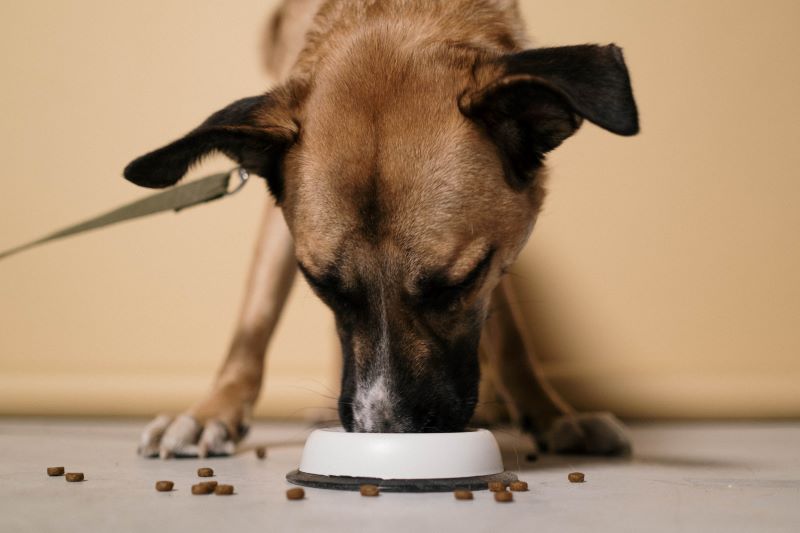
I remember the day I looked down at my dog’s bowl. It was a pile of brown, dry kibble and had a realization that changed everything. I was providing “sustenance,” sure, but was I providing vitality? In my opinion, there is a massive difference between feeding a dog so they survive and nourishing a dog so they thrive. Most commercial kibbles are “complete and balanced” by legal standards, but they are often highly processed and lack the living enzymes necessary for peak health. If you want your furry best friend by your side for as long as possible, it’s time to move beyond the “scoop and serve” mentality.
1. The Power of Probiotics (Goat Milk or Kefir)
We often hear that “health begins in the gut,” and for dogs, this couldn’t be truer. A significant portion of a dog’s immune system resides in their gastrointestinal tract. I’m a huge advocate for adding raw goat milk or plain, unsweetened kefir to the bowl. These are natural, bioavailable sources of probiotics that crowd out “bad” bacteria far more effectively than many pill-form supplements.
2. Freeze-Dried Toppers for Dogs
If you aren’t ready for a fully raw diet, freeze-dried toppers for dogs are the ultimate bridge. They provide high-quality, raw nutrition without the mess or the high price tag. Because freeze-drying preserves heat-sensitive vitamins, you’re adding back the “life” that is lost during the high-heat extrusion process of making standard kibble.
3. Fresh “Fiber” Boosters (Blueberries and Steamed Greens)
I like to call these “biological upgrades.”
Blueberries: The ultimate longevity fruit, packed with anthocyanins for cognitive support.
Steamed Greens: Provides fiber and phytonutrients for liver detoxification.
Pro-Tip: Always lightly steam or puree veggies; dogs have shorter digestive tracts and need the help breaking down cellulose to actually absorb the nutrients.
4. Hydration with Bone Broth
Dry kibble typically has a moisture content of only about 10%. In the wild, a dog’s ancestors would consume a diet that is closer to 70% moisture. Constant dehydration puts a significant strain on the kidneys and the digestive system over time.
Adding a splash of dog-safe bone broth (make sure it’s free of onions, garlic, and excessive salt!) is one of the best dog food toppers for gut health. It’s rich in collagen and amino acids like glycine, which help repair the gut lining (often referred to as “leaky gut” support) and keep joints lubricated. Plus, it makes the meal taste incredible for picky eaters.
5. Omega-3 Fatty Acids (The Inflammation Fighters)
Chronic inflammation is the silent enemy of longevity. It contributes to arthritis, heart disease, and skin issues. While many dog foods claim to have Omega-3s, these fats are highly unstable and often go rancid once the bag of food is opened and exposed to oxygen.
I believe adding a fresh source of Omega-3s like wild-caught salmon oil, sardine oil, or even a whole small sardine (packed in water) is vital. These healthy fats support brain health, reduce itchy skin, and give your dog that “show-dog” shine. It’s functional pet nutrition at its simplest and most effective.
How to Start “Boosting” Safely
I always tell my readers: Start slow. If you introduce all five of these at once, your dog’s digestive system might get overwhelmed.
- Introduce one booster at a time: Give it a week to see how their stomach reacts.
- The 10% Rule: Toppers and boosters should generally not make up more than 10-15% of the total caloric intake to ensure you don’t unbalance their main diet.
- Watch the stool: The proof is in the “end product.” If their stool remains firm, you’re on the right track!
Final Thoughts

In my opinion, we owe it to our dogs to look at their bowls with a critical eye. We have the power to influence their lifespan and their “health span” through the small choices we make every morning and evening.
FAQ Section
Can I use any bone broth?
Answer: No. Only use dog-specific bone broth or homemade versions. Commercial human broths often contain onions and excessive sodium, which are toxic to dogs.
How long until I see results?
Answer: While hydration benefits are immediate, gut health improvements and coat shine usually take 3–4 weeks of consistent boosting.
Do you have a favorite “bowl booster” that your dog loves? Drop a comment below and let’s share our best tips for canine longevity!