Window Replacement vs Repair: Which Offers Better ROI?
7 min read
1300 words
As chilly drafts begin to sneak into your living room, you might find yourself staring at your windows and wondering: Is it time to replace them, or can you get away with a quick fix? Deciding between window replacement vs repair can be a significant financial decision. Window upgrades can make a noticeable difference in your home’s comfort, energy use, and appearance, but replacing every window isn’t always necessary.
Let’s look at the pros, costs, and potential benefits of both options so you can decide which approach offers the best return on investment (ROI) for your home.
1. What Does Draft-Proofing Windows Involve?
Draft-proofing is all about sealing unwanted gaps where warm air escapes and cold air gets in. It’s a targeted, budget-friendly approach that can include:
Locating the leaks: Check around window frames and moving parts for noticeable drafts. On a windy day, you may be able to feel cold air around gaps and seals.
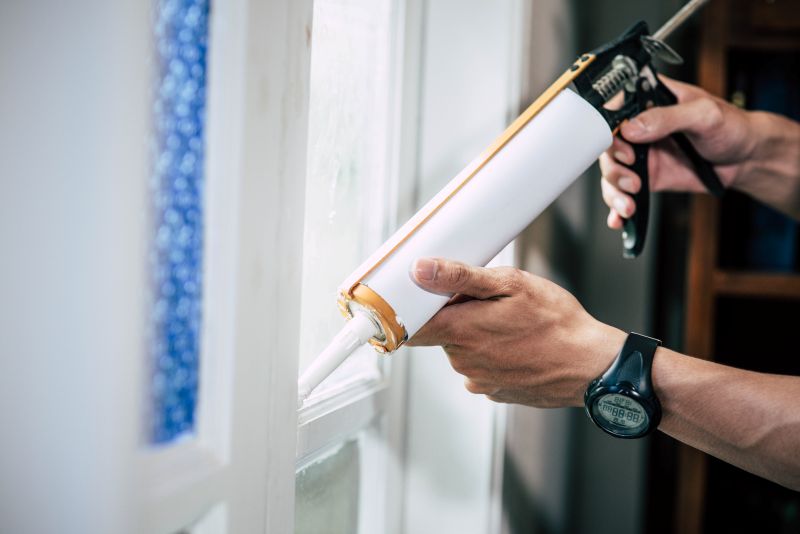
Caulking: Seal cracks and gaps around window frames with an appropriate exterior or interior caulk.
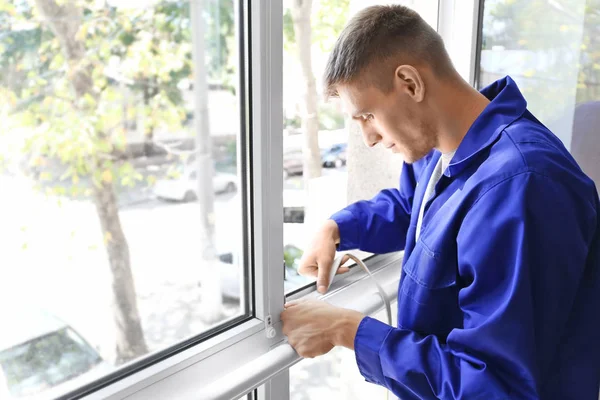
Weatherstripping: Replace worn-out seals around the moving parts of the window to create a tighter seal.
Applying window film: Add temporary heat-shrink plastic film over the glass during colder months to create another insulating barrier.
Repairing hardware: Fix or replace worn locks, latches, and other hardware so the window closes tightly.
Many basic draft-proofing projects are DIY-friendly, making them considerably less expensive than full window replacement. Material costs can be relatively low, although the total cost will depend on the number of windows and the repairs required.
2. When Draft-Proofing Makes the Most Sense
You don’t always need to tear out your existing windows to make your home more comfortable. Draft-proofing may be the better choice if:
- Your window frames and sashes are structurally sound, with no significant rot or warping.
- The glass is intact and the windows still open, close, and lock properly.
- You’re dealing primarily with minor air leaks.
- You want an inexpensive improvement before committing to a larger renovation.
- You want to preserve the character of older or historic windows.
If the window itself is in good condition, sealing air leaks can be a practical way to improve comfort without taking on the cost and disruption of replacement.
3. When Window Replacement Is the Better Investment
Sometimes, no amount of caulk or weatherstripping can solve an aging or damaged window. Replacement may make more sense when:
- The windows are physically damaged, warped, or difficult to open and close.
- You see persistent fogging or condensation between panes of insulated glass, which can indicate a failed seal.
- Wooden frames are rotting or soft.
- Significant drafts remain after reasonable repairs.
- The windows are reaching the end of their useful life.
- You want newer materials that require less maintenance.
When comparing window replacement vs repair, it’s important to consider the condition of the entire window rather than focusing only on the draft. If the frame, glass, seals, and hardware are all deteriorating, putting money into repeated repairs may not make financial sense.
4. Draft-Proofing vs. Replacement: Cost Comparison
| Feature | Draft-Proofing | Window Replacement |
|---|---|---|
| Upfront cost | Low | High |
| DIY potential | High for many basic repairs | Low |
| Installation disruption | Minimal | Moderate to significant |
| Energy improvement | Depends on existing window condition | Potentially significant |
| Maintenance | May require periodic repairs | Generally lower with modern materials |
| Lifespan | Depends on the repair and materials | Often measured in decades |
Draft-proofing has a major advantage when the existing windows are fundamentally sound: you can spend a relatively small amount to address a specific problem.
Replacement, on the other hand, provides an opportunity to address the window, frame, glass, seals, and hardware at the same time. The higher upfront cost can make sense when the existing units are damaged, inefficient, or nearing the end of their service life.
5. How Much Can New Windows Improve Energy Efficiency?
Windows can contribute significantly to heat loss and heat gain in a home, particularly when they are old, poorly sealed, or single-pane.
Modern windows can include features such as double or triple glazing, Low-E (low-emissivity) coatings, and insulating gas fills such as argon. These technologies can reduce heat transfer and improve indoor comfort.
However, the window itself isn’t the whole story. Installation matters too. Poorly sealed gaps around a new window can undermine some of the benefits of an otherwise energy-efficient product.
That’s why it’s important to consider both the window’s performance specifications and the quality of the installation when comparing replacement quotes.
6. Which Option Adds More Home Value?
New windows can improve a home’s appearance, comfort, and marketability. Buyers may also appreciate knowing that they won’t immediately have to deal with aging windows, drafts, or difficult-to-operate units.
However, window replacement shouldn’t automatically be viewed as a dollar-for-dollar investment. The amount you recover when selling depends on factors such as the quality of the windows, local housing conditions, the overall condition of the home, and how long you remain in the property.
Draft-proofing generally won’t create the same visible selling feature as brand-new windows, but it can still provide value by improving comfort and potentially reducing energy waste while you live in the home.
7. Don’t Replace Windows Before Checking These Problems
Before calling a window contractor, make sure the window itself is actually causing the problem.
The source of a draft could be:
- Worn weatherstripping that needs to be replaced.
- Cracked or deteriorated caulking around the frame.
- Gaps around nearby electrical outlets or baseboards.
- Poor insulation around the window opening.
- Air leakage elsewhere in the wall.
- Insufficient attic insulation contributing to overall heat loss.
Addressing these issues first could save you from replacing otherwise serviceable windows.
8. Window Replacement vs Repair: How to Decide
Still on the fence? Use this simple checklist:
Minor drafts + good frames: Draft-proof first.
Broken locks or hardware: Repair or replace the hardware.
Foggy insulated glass: Consider replacing the failed glass unit rather than the entire window, if the frame is still in good condition.
Rotting frames: Replacement is usually the more practical option.
Windows that are severely damaged or difficult to operate: Replacement may provide better long-term value.
Older windows with persistent problems despite repairs: Compare the cost of continued repairs with the cost and benefits of replacement.
The right choice in the window replacement vs repair debate ultimately depends on how much life your existing windows have left and how much you’re spending to keep them functional.
9. Ways to Maximize Your Window Replacement ROI
If you decide replacement is the right move, make sure you’re getting value for your money.
Get multiple quotes: Prices can vary significantly between contractors and window manufacturers.
Prioritize problem windows: If replacing every window isn’t financially realistic, start with the rooms or windows experiencing the greatest problems.
Compare energy-performance ratings: Look beyond marketing claims and compare the actual performance specifications of different products.
Consider your climate: The most expensive window isn’t necessarily the best choice for every home.
Research available rebates: Check current provincial, municipal, utility, and federal programs to see whether your project qualifies for financial incentives.
Don’t overlook installation: A high-quality window installed poorly may perform worse than a more affordable window installed correctly.
Conclusion
If you’re looking for the best short-term ROI, draft-proofing often wins because it requires a relatively small investment and can address common sources of air leakage.
However, draft-proofing isn’t a substitute for replacing windows that are badly damaged, rotting, failing, or nearing the end of their useful life.
Ultimately, window replacement vs repair comes down to the condition of your existing windows, your budget, your home’s energy performance, and how long you plan to stay in the property.
Don’t replace a good window just because it’s drafty, but don’t keep pouring money into a failing window simply to avoid replacement. In many cases, a careful inspection and comparison of repair costs can help you determine which option delivers the better long-term ROI.