A Complete Guide to Bathroom Remodeling Costs
5 min read
962 words
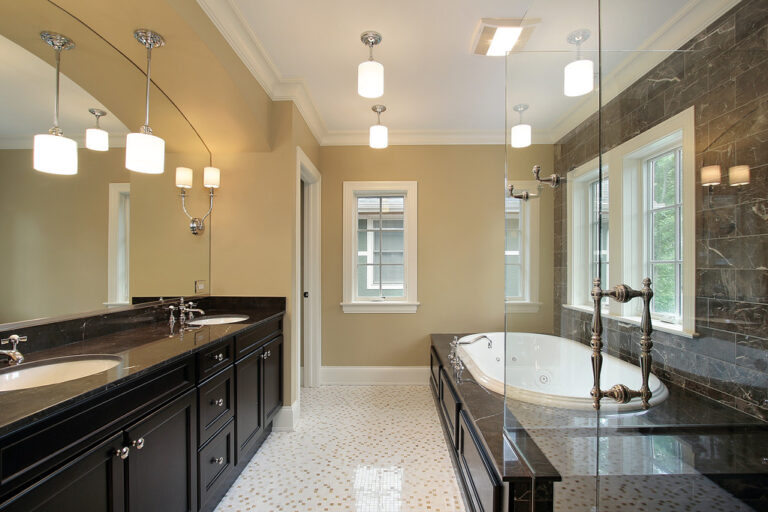
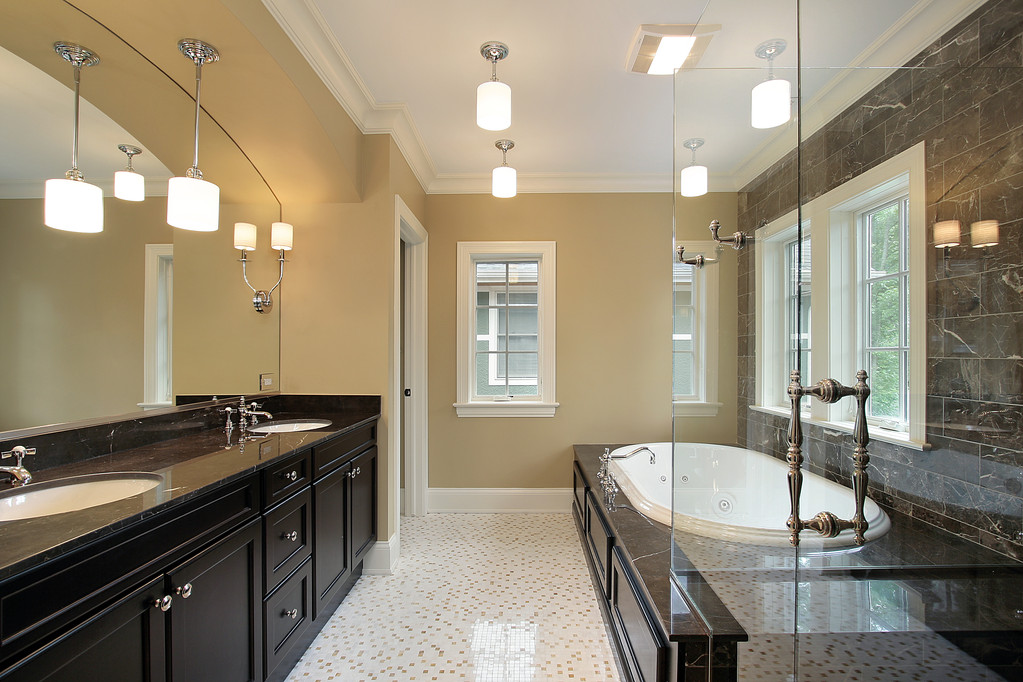
In the dynamic landscape of home improvement trends, bathroom remodeling has emerged as a standout focal point, especially in New Jersey. Once a purely functional space, the bathroom is now considered a personal sanctuary for relaxation, comfort, and style. In this guide, we’ll explore the cost of bathroom remodeling in New Jersey and the factors that influence your total renovation budget.
According to recent estimates, the average cost of a bathroom renovation in New Jersey ranges from approximately $16,000 to $69,000, depending on the size of the bathroom, materials selected, labor costs, and the complexity of the project.
So, what contributes to the total cost of a bathroom remodel? Labor, materials, permits, plumbing, electrical work, demolition, design choices, and unexpected repairs can all impact your final budget. Let’s break down the major expenses to help you plan your renovation more effectively.
1. Determine Your Bathroom Remodeling Budget
Before beginning a bathroom remodeling project in New Jersey, the first step is creating a realistic budget. Your budget will help determine the size of your renovation, the quality of materials you choose, and which upgrades are most important.
New Jersey has a competitive real estate market, making bathroom improvements a popular investment for homeowners. A well-planned renovation can improve your home’s comfort, functionality, and overall appeal.
Having a clear budget allows you to work with contractors and designers to make informed decisions about fixtures, finishes, layouts, and design features while avoiding unexpected financial stress.
2. Scope of the Bathroom Remodeling Project
The size and complexity of your project will have a major impact on your final cost. A simple bathroom update will be much less expensive than a complete renovation that involves structural changes or moving plumbing.
A cosmetic remodel may include painting, replacing fixtures, updating lighting, installing a new vanity, or refreshing finishes. A full gut renovation may involve removing existing features, replacing plumbing and electrical systems, installing new tile, and redesigning the entire space.
In New Jersey, a complete bathroom renovation can cost significantly more when homeowners choose premium materials, custom features, or major layout changes.
3. Bathroom Remodeling Labor Costs in New Jersey
Labor is one of the largest expenses in any bathroom remodel. Costs may include demolition, plumbing, electrical work, carpentry, waterproofing, tile installation, and general contractor services.
Labor costs can vary depending on where you live in New Jersey and the complexity of your project. Urban areas near cities such as Jersey City, Trenton, and Newark may have higher labor rates due to increased demand and higher operating costs.
While DIY projects can help reduce expenses, professional contractors have the experience needed to handle permits, building codes, plumbing challenges, and unexpected issues that may arise during renovations.
4. Materials and Bathroom Fixtures
The materials and fixtures you choose will have a significant impact on your bathroom remodeling budget. Flooring options can range from affordable vinyl and ceramic tile to higher-end porcelain and natural stone.
Other major expenses include:
- Vanities: Bathroom vanities can range from affordable stock models to custom cabinetry costing several thousand dollars.
- Countertops: Materials such as quartz, granite, and marble can increase the overall cost of your renovation.
- Tile: Shower walls, backsplashes, and flooring vary widely depending on the material and design.
- Fixtures: Toilets, faucets, bathtubs, shower systems, and lighting fixtures all contribute to the final budget.
5. Bathroom Remodeling Permits and Building Codes
Permits are an important part of many bathroom remodeling projects in New Jersey. Plumbing, electrical work, structural changes, and major renovations often require approval to ensure the project meets local building codes.
Permit fees vary depending on the municipality and the cost of the renovation. Working with an experienced remodeling contractor can help ensure permits are properly obtained and the project follows all required regulations.
6. Plumbing and Electrical Work
Plumbing and electrical upgrades can significantly increase the cost of a bathroom remodel. Moving a toilet, sink, shower, or bathtub requires rerouting plumbing lines, which adds labor and material expenses.
Electrical work may include installing new outlets, lighting fixtures, ventilation fans, heated flooring, or modern bathroom technology.
In New Jersey, plumbers commonly charge approximately $75 to $150 per hour, while electricians may charge around $39 to $54 per hour, depending on experience and location.
7. Demolition and Disposal Costs
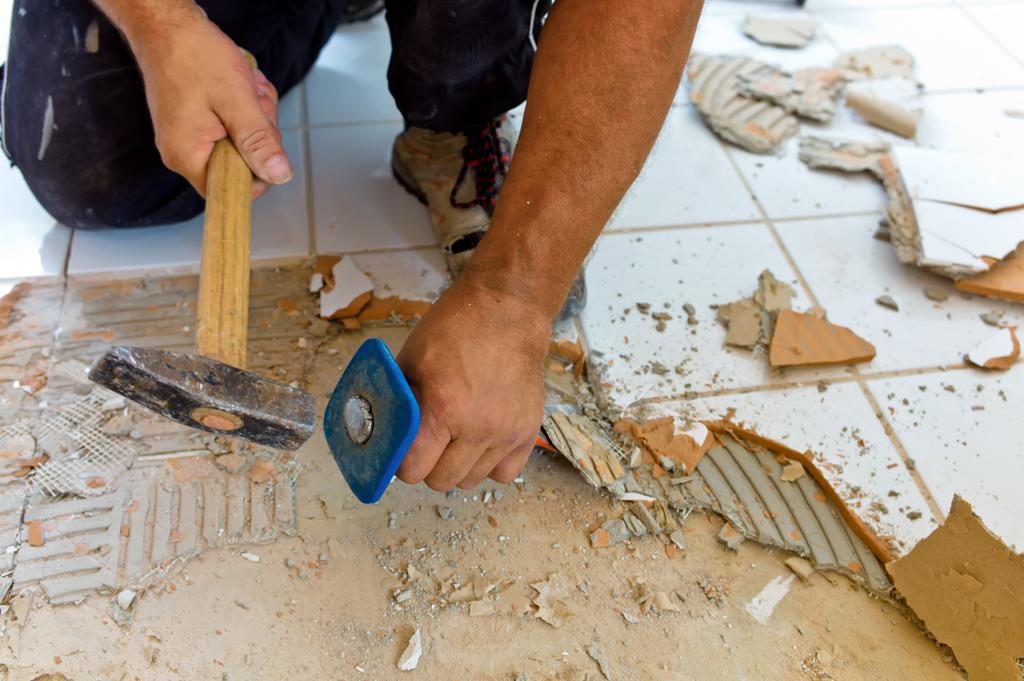
Demolition is another expense homeowners should include when planning a bathroom remodel. Removing old tile, flooring, fixtures, drywall, or cabinetry requires careful work to avoid damaging plumbing and electrical systems.
Professional demolition services help ensure the space is safely prepared for renovation. Disposal costs are often included as part of a contractor’s remodeling services, but homeowners should confirm this before beginning the project.
8. Bathroom Design and Architectural Fees
Professional designers and architects can help create a bathroom that combines style, comfort, and functionality. They can assist with space planning, selecting materials, choosing finishes, and creating a layout that works for your needs.
Interior designers in New Jersey may charge an initial consultation fee and additional hourly rates depending on the size and complexity of the project.
9. Financing Your Bathroom Remodel
Bathroom renovations can be a major investment, and unexpected expenses may arise during construction. Having financing options available can help homeowners complete their projects without compromising on important upgrades.
Common financing options include:
- Personal loans
- Home improvement loans
- Home equity loans or lines of credit
The best option depends on your financial situation, available home equity, and renovation goals.
Conclusion: Planning Your New Jersey Bathroom Remodel
Bathroom remodeling in New Jersey can be a valuable investment that improves your home’s comfort, functionality, and appeal. Understanding the factors that influence costs including labor, materials, permits, plumbing, and design choices will help you create a realistic renovation budget.
With careful planning and the right professionals, you can transform your bathroom into a beautiful and functional space that meets your needs while adding value to your home.