How to Tell If Your Windows Need Replacing
10 min read
1982 words
Windows are one of those features of a home that we rarely give much thought to until something goes wrong. We open them to let in a little fresh air, close them when the weather turns cold, and expect them to do their job without much attention. It is often only when winter arrives and a chilly draft finds its way into the living room, condensation begins collecting on the glass, or a window becomes difficult to open that we start questioning how well our windows are actually holding up. Like many things around the house, their condition can gradually decline over the years, and we may not notice just how much has changed until we begin feeling the effects.
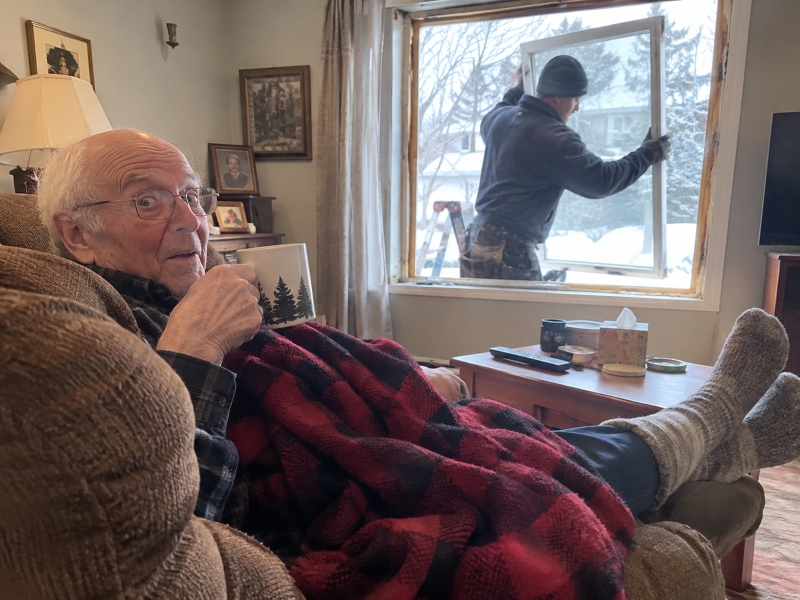
I recently replaced the windows in my own home, which prompted me to take a closer look at the subject. It is interesting how long we can put up with little inconveniences before deciding enough is enough. A cold draft becomes something we work around by reaching for another sweater or moving our favourite chair a little farther from the window. We might even convince ourselves that the house has always been a little chilly in that particular room. Eventually, though, those small annoyances become harder to ignore. Having gone through the process of replacing my own windows, I found myself thinking about the signs homeowners should watch for and when it might be time to consider an upgrade.
Of course, age alone is not a reason to replace every window in your home. A well-maintained window may continue to serve its purpose for many years, while a newer one can develop problems if it has not been properly installed or maintained. Some issues are relatively simple to correct with replacement weatherstripping, new hardware, or fresh caulking. Others may point to a more serious problem with the glass, frame, or seal. Understanding the difference can save you from spending money unnecessarily while helping you recognize when repairs are no longer the most sensible option.
1. You Feel Cold Air Coming Through Closed Windows
One of the first things many homeowners notice when their windows begin to deteriorate is an unwelcome draft. You may be sitting comfortably in your living room when you suddenly feel a stream of cold air near the window, even though it is firmly closed. On a windy winter day, the difference can be particularly noticeable. Worn weatherstripping, deteriorating caulking, damaged seals, or gaps around the frame can all allow outside air to make its way indoors. Over time, these materials are exposed to changing temperatures and moisture, and they can shrink, crack, or lose their ability to provide a proper seal.
A draft does not necessarily mean the entire window needs to be replaced. In some cases, replacing the weatherstripping or repairing gaps around the frame may be enough to restore a comfortable seal. However, if the frame is damaged, the window no longer fits properly, or the seals have deteriorated beyond repair, replacement may be worth considering. It is also worth remembering that a draft can sometimes originate elsewhere, such as around the surrounding trim or wall, so it is sensible to identify the source before making a decision.
2. There Is Fog or Moisture Between the Glass Panes
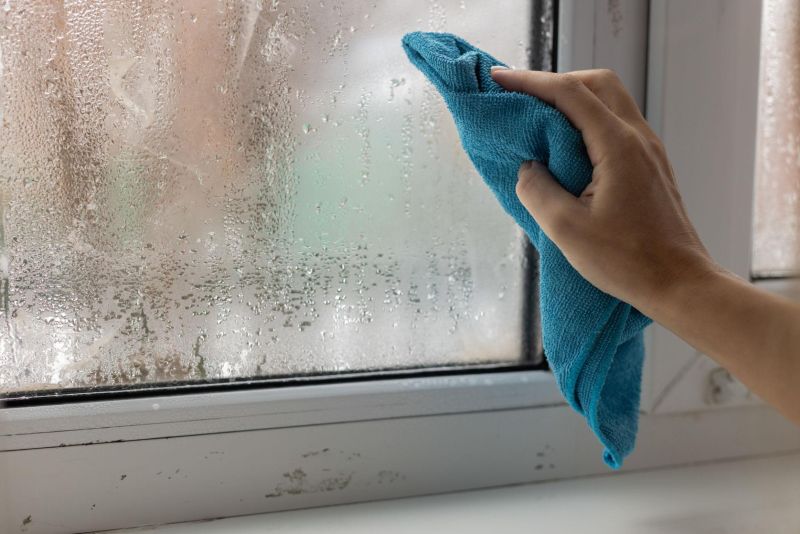
Have you ever looked out through a window and noticed that the view seems cloudy, almost as though someone has breathed on the glass? You wipe the surface, only to discover that the fog has not disappeared. If you have double or triple glazed windows, moisture trapped between the panes can be a sign that the sealed glass unit has failed. These windows are designed with an airtight space between the panes, which helps provide insulation. When the seal breaks down, moisture can enter that space and leave the glass looking cloudy or permanently fogged.
It is important to distinguish this from condensation that forms on the room-facing surface of the glass. Indoor condensation is often associated with humidity levels inside the home and the difference between indoor and outdoor temperatures. Moisture trapped between the panes, on the other hand, generally points to a problem with the sealed glass unit itself. The good news is that a failed seal does not always mean the entire window must be removed. Depending on the condition of the frame, replacing the sealed glass unit may be all that is required. A qualified window professional can inspect it and explain which option makes the most sense.
3. Your Windows Are Difficult to Open or Close
A window should open and close without requiring considerable effort. If you find yourself struggling with a handle, having to lift the window to get it moving, or pushing harder than you should to close it, it is worth investigating the cause. Hardware can wear out with regular use, tracks can become damaged or obstructed, and frames may shift or swell over time. Sometimes the solution is as simple as replacing a faulty mechanism or having the window adjusted.
However, difficulty operating a window should not always be dismissed as a minor inconvenience. A window that does not close securely may affect your home’s security and allow cold air and moisture to enter. If the frame has become warped or damaged, a simple repair may not be enough to correct the problem. This is particularly important with windows that are rarely opened. You may not realize there is an issue until you finally try to use one, so it is worth checking that your windows operate properly before the colder weather arrives.
4. You Notice Rot, Peeling Paint, or Water Damage
Window frames are exposed to the elements throughout the year, and repeated exposure to rain, snow, humidity, and temperature changes can eventually take its toll. If your home has older wooden windows, pay particular attention to the condition of the frames and sills. Peeling paint, discolouration, swelling, and soft patches of wood may indicate that moisture has found its way into the material. While a little peeling paint may be manageable with proper preparation and maintenance, wood that feels spongy or begins to crumble is a more serious concern.
Water damage can also extend beyond the window itself. If moisture repeatedly enters around the frame, it may affect the surrounding trim, drywall, or insulation. This is why it is important to look at both the inside and outside of your windows rather than concentrating only on the glass. If you notice recurring dampness, signs of rot, or damage that appears to be getting worse, have the area inspected. Addressing the source of the moisture early may prevent a relatively small repair from becoming a much larger and more expensive undertaking.
5. Your Rooms Feel Uncomfortably Cold in Winter
Most of us have experienced that one room in the house that never seems to get quite warm enough. You turn up the thermostat, check the heating vents, and perhaps move a chair away from the window, but the room still feels uncomfortable. Older windows can contribute to uneven indoor temperatures, particularly when the glazing, seals, or frames no longer provide adequate insulation. Even when a window is closed, the glass itself can feel very cold during the winter months, making the area immediately around it less comfortable.
Before assuming that replacement windows are the answer, it is worth considering other possible causes. Insufficient attic or wall insulation, blocked heating vents, and gaps elsewhere in the room can all affect indoor comfort. However, if you consistently notice cold air around your windows or a significant temperature difference near the glass, the windows may be contributing to the problem. Replacing older, inefficient windows with properly selected and installed units may help make the home more comfortable throughout the year, although the improvement will depend on the condition of the rest of the house as well.
6. Outside Noise Seems Louder Than It Used To
Windows do more than provide natural light and a view of the outdoors. They also form an important barrier between the activity outside and the quieter surroundings we hope to enjoy inside our homes. If traffic, neighbourhood activity, or passing conversations seem more noticeable than they once were, your windows may be part of the reason. Worn seals, loose frames, and older glazing can allow more outside sound to travel indoors. This can be particularly frustrating if a bedroom or living area faces a busy street.
Modern replacement windows can offer improved sound insulation, but the amount of noise reduction depends on several factors, including the type and thickness of glass, the construction of the frame, and the quality of the installation. Not every replacement window will provide the same results, so if reducing outside noise is important to you, bring it up when discussing your options with a window professional. It is better to explain what is bothering you before choosing a product than to assume every new window will solve the problem.
Should You Repair Your Windows or Replace Them?
One of the questions homeowners often face is whether a troublesome window needs to be replaced or whether a repair will do the job. There is no single answer because the decision depends on the condition of the window and the nature of the problem. A broken handle, worn weatherstripping, loose hardware, or deteriorating caulking may be relatively straightforward to fix. On the other hand, badly damaged frames, recurring leaks, failed seals, or windows that no longer close properly may make replacement a more practical long-term choice.
If you are considering new windows, take the time to understand what is available before making a purchase. There are differences in frame materials, glazing, styles, and energy performance, and what works well in one home may not be the right choice for another. Our guide to how to select the right replacement windows looks at some of the considerations worth keeping in mind when comparing your options.
You may also find it helpful to read about why double glazed windows are the better choice, particularly if you are looking to improve insulation and make your home more comfortable during the colder months. Double glazing is a popular option for Canadian homes, but the right choice will depend on your existing windows, your budget, and the needs of your property.
Before committing to a replacement, consider getting estimates from more than one qualified installer. Ask what is actually wrong with your existing windows, whether any components can be repaired, and whether the entire window needs to be replaced. A clear explanation of the work being recommended is just as important as the price. You want to understand what you are paying for rather than simply accepting that every old window needs to go.
Check Your Windows Before Winter Arrives
It is easy to put off inspecting your windows, especially when there are always other jobs competing for our attention around the house. However, discovering a problem before the coldest weather arrives can give you time to consider your options without feeling rushed. Take a closer look at the frames, check for drafts, look for signs of moisture, and make sure your windows open and close as they should. Pay attention to any changes you have noticed over the past year, particularly if a room has become noticeably colder or outside noise seems more intrusive.
Replacing my own windows reminded me that some home improvements are not simply about making a house look better. They can also make everyday living more comfortable. That does not mean every homeowner needs to rush out and replace older windows, but it does make sense to understand the condition of what you already have. Sometimes a modest repair is all that is needed. Other times, replacing an ageing window is the more sensible investment. The important thing is knowing what to look for and making an informed decision before a small problem becomes a much bigger one.