Keep Your House Cool Without Air Conditioning
5 min read
848 words
As summer temperatures rise, many homeowners are looking for ways to stay comfortable without relying heavily on air conditioning. While air conditioning provides fast relief, it can also increase hydro bills and energy consumption. Fortunately, there are affordable and effective ways to keep your house cool naturally during hot weather. From blocking heat before it enters your home to creating better airflow and making smart lifestyle adjustments, these cooling strategies can help you stay comfortable while lowering summer energy costs.
Quick Ways to Cool a House Without AC
- Keep blinds and blackout curtains closed during peak sunlight hours
- Open windows at night to create cross-ventilation
- Use ceiling fans counter-clockwise in summer
- Avoid using ovens and heat-producing appliances during the day
- Switch to lightweight cotton bedding and clothing
- Seal gaps around windows and doors
- Use fans with ice for DIY cooling
- Reduce indoor humidity with a dehumidifier
Block Heat Before It Enters Your Home
The best way to keep your house cool naturally is to stop heat from entering in the first place. Sunlight streaming through windows can quickly raise indoor temperatures during summer heatwaves.
Use Curtains and Blinds Strategically
Keep blinds, shades, and curtains closed during the hottest parts of the day, especially on south and west-facing windows. Thermal or blackout curtains work especially well because they help block heat and sunlight.
Reflective window film can also reduce indoor heat by bouncing sunlight away from your home. Even temporary reflective panels can make a noticeable difference during extreme heat.
Open Windows at the Right Time
Once outdoor temperatures cool down in the evening, open windows and doors on opposite sides of your home to create cross-ventilation. This helps flush out trapped hot air and pull cooler night air inside.
Close windows again early in the morning before temperatures begin to rise.
Improve Insulation and Seal Air Leaks
Upgrade Attic Insulation
Proper attic insulation helps prevent heat from radiating down into living spaces. Homes with poor insulation often become significantly hotter during summer months.
Seal Drafts and Air Leaks
Use weatherstripping and caulking around windows and doors to stop hot air from entering your home. This simple and budget-friendly improvement can also help lower energy bills year-round.
Create Outdoor Shade
Install Awnings or Shade Structures
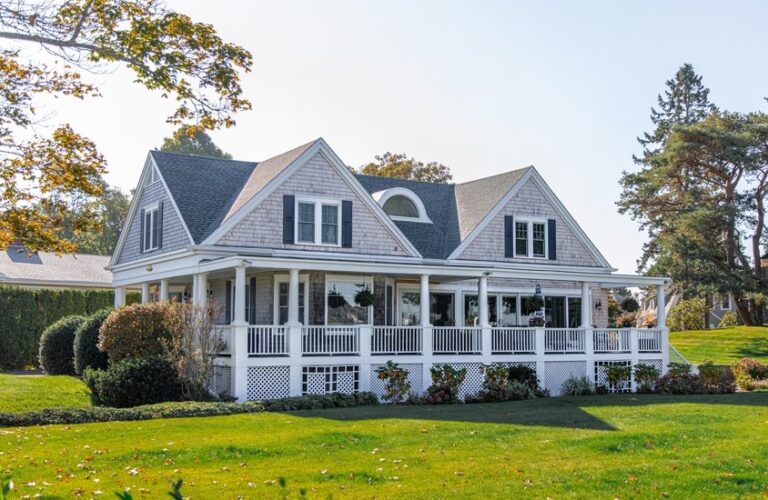
Awnings over windows, pergolas, and patio covers can dramatically reduce indoor temperatures by blocking direct sunlight before it reaches your home.
Plant Trees and Shrubs

Strategically placed deciduous trees provide shade during summer while still allowing sunlight through in winter. Shrubs, climbing vines, and trellises can also help cool exterior walls naturally.
Use Fans Effectively
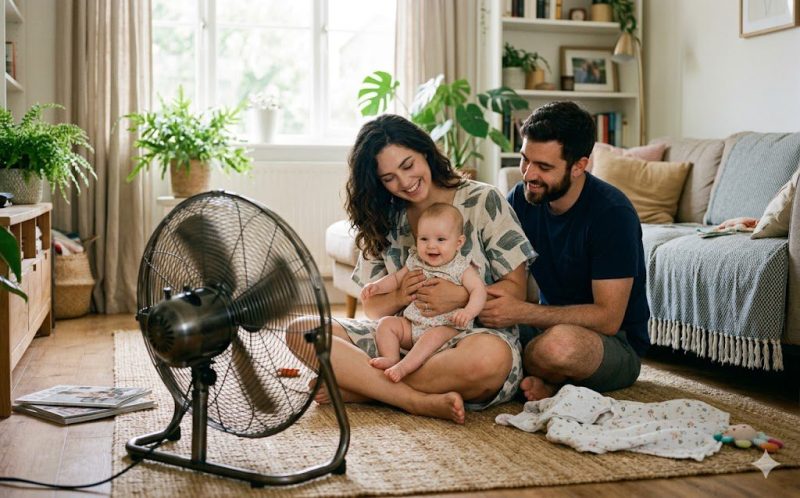
Fans do not lower room temperature, but they help circulate air and create a cooling effect on your skin.
Ceiling Fans

Make sure ceiling fans rotate counter-clockwise during summer months. This pushes cool air downward and creates a stronger breeze.
Box Fans and Window Fans
- Place one fan facing outward in a window to exhaust hot air
- Use another fan on the opposite side of the house to pull cooler air inside
- Create cross-breezes for maximum airflow
DIY Ice Fan Cooling Trick
Place a bowl of ice or frozen water bottles in front of a fan. As the ice melts, the airflow becomes cooler and more refreshing.
Reduce Indoor Heat Sources
Avoid Heat-Producing Appliances
Ovens, stovetops, dryers, and dishwashers generate significant heat. During hot weather, try grilling outdoors, preparing no-cook meals, or using smaller appliances like microwaves and air fryers.
Unplug Electronics
Electronics and chargers continue producing heat even when not actively in use. Unplug unused devices whenever possible.
Switch to LED Lighting
Traditional incandescent bulbs release more heat than LED bulbs. Switching to LEDs can help reduce indoor temperatures and lower energy costs.
Lower Humidity Levels
Humidity makes hot weather feel even more uncomfortable. A portable dehumidifier can make rooms feel cooler by removing excess moisture from the air.
This is especially helpful during humid Ontario summers and Canadian heatwaves.
Dress and Sleep for Hot Weather
Wear Lightweight Fabrics
Loose-fitting cotton and linen clothing help your body stay cooler and more comfortable during extreme heat.
Use Breathable Bedding
Choose lightweight cotton sheets and cooling pillows during summer months. You can also place a fan near your bed to improve airflow while sleeping.
Stay Hydrated
Drink water regularly throughout the day, even if you do not feel thirsty. Staying hydrated helps your body regulate temperature more effectively.
Long-Term Cooling Improvements
Upgrade Windows
Energy-efficient double-pane or Low-E windows help block heat and improve insulation year-round.
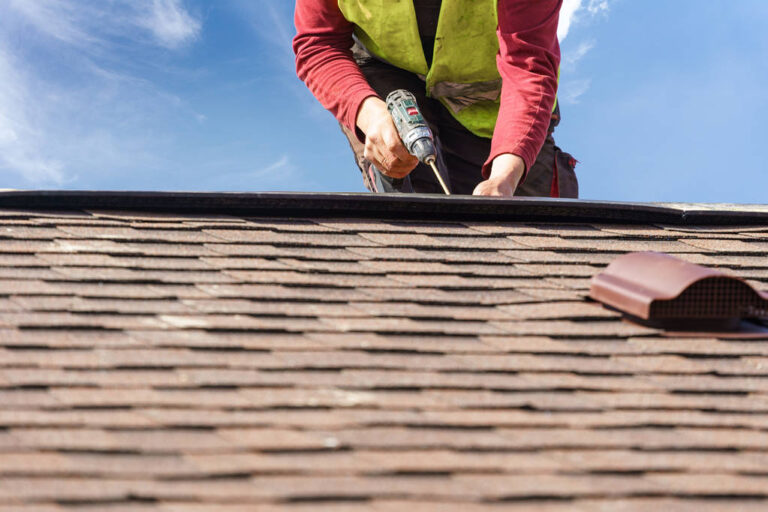
Install a Cool Roof
Light-colored roofing materials reflect more sunlight and absorb less heat than dark roofing materials.
Invest in Landscaping
Trees, hedges, and vertical gardens provide natural cooling and shade while improving curb appeal.
Final Thoughts
Keeping your house cool without air conditioning is possible with the right combination of smart habits, airflow, insulation, and natural cooling strategies. Small changes like blocking sunlight, improving ventilation, and reducing indoor heat sources can make a noticeable difference during hot summer weather.
By using these budget-friendly cooling ideas, you can stay more comfortable, reduce hydro costs, and create a healthier, more energy-efficient home all summer long.