How to Get Rid of Musty Basement Smells
10 min read
1811 words
A musty basement smell is one of those household problems that can be difficult to ignore. You may notice it when you walk downstairs, open a storage box, or turn on the furnace. People often describe the smell as earthy, damp, sour, or similar to wet cardboard or old socks.
While an unpleasant odour is frustrating, it is usually a sign that something needs attention. Excess moisture, poor air circulation, damp carpeting, leaks, or mold and mildew can all contribute to that familiar basement smell.
Spraying air freshener may temporarily cover the odour, but it will not solve the problem. The best way to get rid of a musty basement smell is to find out where the moisture is coming from, remove damp materials, improve humidity control, and prevent water from getting back into the space.
Common Causes of a Musty Basement Smell
| Problem | Why It Causes Odors | What to Look For |
|---|---|---|
| High humidity | Excess moisture creates conditions where mold and mildew can grow | Humidity consistently above 60 percent |
| Mold and mildew | Growth on damp materials can create a persistent earthy or musty odour | Discolored areas, spotting, or mold growth |
| Plumbing leaks | Even a small leak can keep building materials damp | Water stains, damp walls, dripping pipes |
| Water seepage | Rainwater and groundwater can enter through cracks or poorly sealed areas | Damp floors, foundation stains, puddles |
| Poor air circulation | Stagnant air allows odors and moisture to build up | Stale air and little air movement |
| Damp belongings | Carpeting, furniture, cardboard and fabrics can hold moisture for a long time | Odors coming from boxes, rugs or upholstered furniture |
How to Get Rid of a Musty Basement Smell
1. Find the Source of the Odor
Before cleaning the basement or buying an odour eliminator, try to determine where the smell is coming from.
Look carefully at the walls, floors and ceilings. Water stains, peeling paint, bubbling finishes and areas of discoloration can all indicate a moisture problem.
Check around exposed plumbing, the water heater, sump pump, furnace and other mechanical equipment. Look underneath sinks and around basement windows for signs of water.
Do not forget about stored belongings. Open cardboard boxes and inspect carpets, rugs, furniture and fabrics. Sometimes the source of the smell is a single damp item that has been sitting unnoticed for months.
If you find water damage, take photographs and make a note of where it is located. This can be useful if you need to have a plumber, waterproofing contractor or mold remediation professional inspect the basement.
2. Check and Control Basement Humidity

One of the most effective ways to deal with basement odors is to control moisture.
A digital hygrometer is inexpensive and can help you monitor relative humidity. A basement that consistently stays above about 60 percent humidity is more likely to develop moisture related problems. Many homeowners aim for roughly 40 to 50 percent relative humidity.
A properly sized dehumidifier can make a noticeable difference. Choose a model based on the size and moisture level of your basement rather than automatically choosing the largest unit available.
If the basement is very damp, look for a dehumidifier with continuous drainage. This allows the unit to drain into a floor drain or sump area instead of requiring you to empty the water container repeatedly.
Check the humidity regularly, particularly during warm and humid weather. In many Canadian homes, basement humidity can become a bigger issue during the summer.
3. Improve Air Circulation Carefully

Moving air around the basement can help prevent stagnant areas, but simply opening basement windows is not always the best solution.
During hot, humid weather, outdoor air can contain considerable moisture. Bringing that air into a cool basement may actually increase condensation and humidity.
A small fan can help circulate air around problem areas, particularly behind furniture or in storage spaces. Place furniture so it does not press tightly against exterior walls.
For finished basements or homes with ongoing ventilation concerns, a qualified HVAC professional can determine whether additional ventilation or a heat recovery ventilator is appropriate.
4. Clean Damp and Musty Materials
Once the moisture problem is under control, clean the areas contributing to the odour.
Use warm water and a mild household detergent to clean hard, nonporous surfaces. Follow the manufacturer’s instructions for flooring, painted surfaces and other finished materials.
Avoid mixing cleaning products. In particular, never mix bleach with ammonia, vinegar or other cleaners because dangerous gases can result.
If you discover mold, the appropriate cleaning method depends on the material and the extent of the growth. You can handle small areas on suitable hard surfaces with careful cleaning, and you should discard heavily contaminated or porous materials.
Carpeting deserves special attention. If carpet or carpet padding has become wet or has developed a persistent moldy odour, simply sprinkling baking soda over it may not solve the problem. Severely contaminated carpet and padding may need to be removed and replaced.
Wash washable fabrics according to their care instructions and allow everything to dry completely before returning it to the basement.
5. Get Rid of Damp Cardboard
Cardboard boxes are easy to overlook, but they can absorb moisture and develop a strong musty odour.
Inspect boxes that have been stored directly on the basement floor. If cardboard is visibly moldy, wet or badly deteriorated, it is usually better to throw it away rather than move the problem to another part of the house.
For long term basement storage, plastic containers with secure lids are a better option. Store them on shelving rather than directly on concrete floors.
6. Fix the Moisture Problem
Cleaning the basement will not permanently remove the smell if water continues to get inside.
Check your gutters and downspouts regularly. Make sure downspouts direct water away from the foundation rather than allowing it to collect beside the house.
Look at the grading around the exterior of the home as well. Soil should generally direct water away from the foundation.
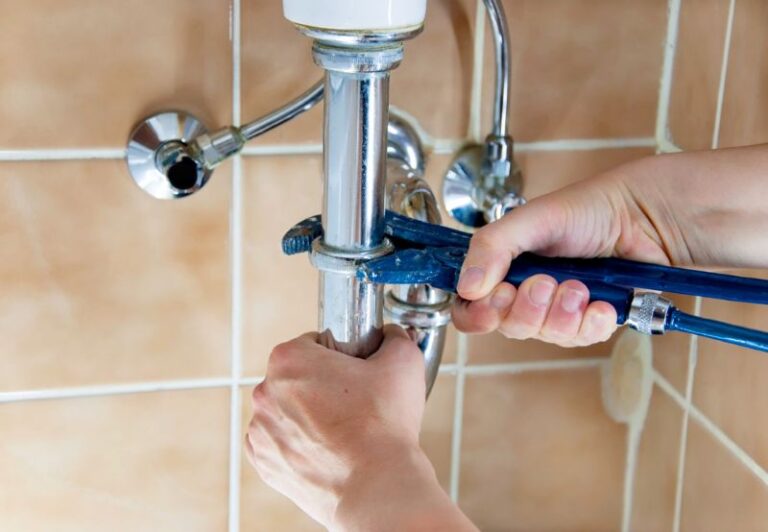
Inside the basement, repair leaking pipes and address problems around windows, doors, sump pumps and floor drains.
Foundation cracks should not automatically be treated as a simple do it yourself repair. Some cracks are minor, while others can be associated with water infiltration or structural concerns. If you are unsure about a foundation crack, have it assessed by an experienced professional.
7. Deal With Lingering Odors
Once the basement is clean and dry, you can deal with any remaining odour.
Activated charcoal products can help absorb odors in enclosed storage areas. Baking soda can also be placed in containers in areas where odors linger.
However, these products should be considered an additional step rather than a solution to a moisture problem.
If a basement continues to smell musty after it has been thoroughly cleaned and dried, go back to the source. There may still be moisture inside a wall, underneath flooring, around a foundation or in another concealed area.
When Should You Call a Professional?
Some basement problems are better handled by an experienced professional.
Consider getting professional help if you discover extensive mold, significant water damage, sewage contamination, repeated flooding, or a persistent moisture problem that you cannot identify.
A professional may be able to determine whether the problem involves foundation water intrusion, plumbing, drainage, HVAC equipment or another source.
If mold is widespread or you are unsure how to safely clean it, a qualified mold remediation professional can assess the situation and recommend the appropriate next steps.
The same applies to persistent foundation leaks. Waterproofing contractors, plumbers and foundation specialists have different areas of expertise, so choosing the right professional depends on where the water is coming from.
How to Prevent a Musty Basement Smell From Returning
Keeping the basement dry is much easier than repeatedly trying to eliminate the odour.
Keep an eye on humidity levels throughout the year and use a dehumidifier when necessary.
Check for plumbing leaks as soon as you notice them. Even a small amount of water can create a persistent moisture problem if it is left untreated.
Keep stored items elevated from the floor, particularly cardboard and fabrics.
Clean gutters and inspect downspouts regularly. After heavy rain, check the basement for signs of water infiltration.
It is also worth doing a quick inspection in the spring and fall. Look for damp spots, condensation, foundation cracks, damaged window seals and other changes that could allow moisture into the basement.
Frequently Asked Questions
Why does my basement smell musty but look completely dry?
A basement can smell musty even when there is no visible standing water. Moisture can be trapped inside walls, flooring, insulation, carpeting or other materials. Elevated humidity can also create conditions that allow mold and mildew to grow without producing an obvious wet spot.
If the smell persists, check less obvious areas such as behind furniture, underneath carpeting and around plumbing and foundation walls.
Does a dehumidifier remove a musty basement smell?
A dehumidifier does not directly remove an odour. Its job is to remove moisture from the air.
Reducing humidity can make the basement less suitable for mold and mildew growth and can help prevent musty odors from returning. If mold or damp materials are already present, however, those problems still need to be addressed.
Is a musty basement smell always caused by mold?
No. Mold and mildew are common causes, but they are not the only possibilities.
Damp wood, wet insulation, carpeting, cardboard, old furniture and other organic materials can all produce unpleasant odors. A plumbing leak or water entering through the foundation can also create a musty smell.
Finding the source is more important than simply treating the odour.
Why does my basement smell worse after it rains?
Heavy rain can increase the amount of moisture around your home’s foundation. Water may enter through cracks, poorly sealed windows, foundation walls or other vulnerable areas.
Even when water does not visibly enter the basement, increased humidity can make an existing musty odour much more noticeable.
What humidity level should a basement be?
Many homeowners aim to keep basement relative humidity around 40 to 50 percent. A hygrometer can provide an inexpensive way to monitor the level.
If humidity regularly remains above 60 percent, investigate why the basement is staying damp and consider using a properly sized dehumidifier.
Final Thoughts
A musty basement smell should not simply be covered up with air fresheners. It is usually worth taking the time to find out why the odour is there.
Start by checking for moisture, plumbing leaks, water infiltration and damp belongings. Measure the humidity, clean affected materials and make sure the basement has adequate moisture control.
If the odour continues despite your efforts, don’t assume that the problem is simply an old basement smell. Hidden moisture, mold or a plumbing or foundation problem could be responsible.
A dry basement is the real key to a fresh smelling basement. Once you solve the moisture problem, the odour is much easier to eliminate and much less likely to return.