Anti-Aging Gardening Benefits for your well being
6 min read
1107 words
As I’ve grown older, I’ve discovered that gardening is much more than a hobby. It is a rewarding activity that nourishes the body, stimulates the mind, and brings a sense of peace and purpose. While many people begin gardening to grow fresh vegetables, beautiful flowers, or create a relaxing outdoor space, the benefits extend far beyond the garden itself.
Gardening can be a wonderful way to support healthy aging by combining gentle physical activity, mental stimulation, creativity, and stress relief. It encourages us to spend time outdoors, connect with nature, and enjoy the simple satisfaction of watching something grow.
For many women entering their 50s, 60s, and beyond, gardening offers a natural way to stay active, maintain independence, and create a daily routine that supports overall well-being.
Physical Fitness and Dexterity: A Gentle Full Body Workout
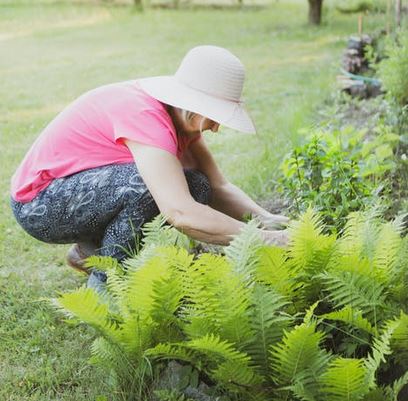
Gardening may not feel like traditional exercise, but many common gardening tasks provide a surprising amount of physical activity. Digging, planting, carrying soil, pulling weeds, pruning, watering, and maintaining garden beds all require movement, strength, and coordination.
Gardening activities can help support:
• Flexibility by encouraging bending, reaching, and stretching while caring for plants.
• Strength by engaging muscles when lifting watering cans, moving pots, digging soil, and preparing garden beds.
• Balance and stability by walking on different outdoor surfaces and moving around the garden.
• Endurance by keeping you active while doing something enjoyable and meaningful.
Gardening also helps maintain fine motor skills. Planting small seeds, trimming flowers, arranging plants, and handling gardening tools require hand strength, coordination, and precision. These simple movements can help support dexterity as we age.
For those who enjoy walking, gardening can be a perfect companion activity. A walk around the yard, checking plants, watering flowers, or harvesting vegetables adds extra movement to your day while allowing you to enjoy the outdoors.
The Mental Benefits of Gardening
Gardening is not only good for the body. It can also have a positive impact on mental well-being. Caring for plants creates a sense of routine and encourages mindfulness by helping you focus on the present moment.
Reduced Stress and Improved Mood
Spending time in a garden can be calming and restorative. The simple activities of planting, watering, and caring for living things can help reduce everyday stress and provide a peaceful break from busy schedules.
Being outdoors, breathing fresh air, and enjoying sunlight can also improve mood and create a greater sense of relaxation.
Many people find that gardening provides a quiet escape where they can slow down, enjoy nature, and take time for themselves.
Improved Cognitive Function
Gardening engages the brain in many ways. Planning a garden layout, choosing plants, remembering watering schedules, learning about growing conditions, and solving gardening challenges all encourage problem solving and creativity.
Research has suggested that activities such as gardening may support cognitive health by keeping the mind active and engaged. Learning about plants, planning seasonal gardens, and adapting to changing conditions all provide opportunities for mental stimulation.
Gardening combines physical activity with decision making, memory, and creativity, making it a rewarding activity for healthy aging.
A Greater Sense of Purpose
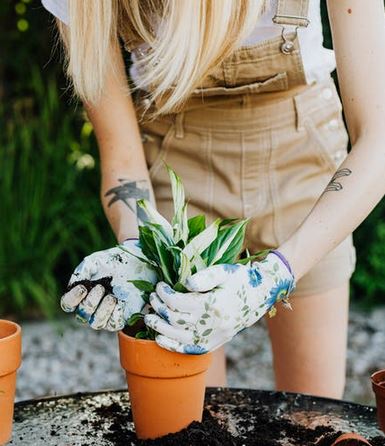
Having something to care for can provide a powerful sense of purpose. Whether you are growing vegetables, tending flowers, creating a pollinator garden, or caring for indoor plants, watching something thrive because of your efforts can be incredibly rewarding.
Gardening provides small moments of achievement, such as seeing the first flower bloom, harvesting fresh vegetables, or watching birds and butterflies visit your garden.
These simple experiences can bring happiness and a sense of accomplishment.
The Emotional and Spiritual Benefits of Gardening
Many gardeners describe their time outdoors as peaceful, grounding, and satisfying. Gardening allows us to slow down and reconnect with the natural world.
Connection With Nature
Modern life often keeps us indoors and surrounded by technology. Gardening provides an opportunity to step outside, work with the earth, and reconnect with nature.
Feeling the soil, listening to birds, watching plants grow, and noticing seasonal changes can create a deeper appreciation for the world around us.
Spending time outdoors can also encourage a healthier lifestyle by motivating us to move more and enjoy fresh air.
Mindfulness and Relaxation
Gardening naturally encourages mindfulness. When you focus on planting a seed, removing weeds, or caring for a flower, your attention moves away from worries and toward the task in front of you.
Many people find gardening meditative because it encourages patience and allows them to enjoy the process rather than rushing toward the result.
The rhythm of gardening can create a feeling of calm and help bring balance to busy lives.
Gratitude and Appreciation
Growing your own food or creating a beautiful garden can inspire gratitude. A single tomato plant, a blooming flower, or a thriving herb garden can remind us of the small joys found in everyday life.
Gardening helps us appreciate nature’s cycles and the rewards of patience, care, and consistency.
Gardening Supports Healthy Aging

One of the greatest benefits of gardening is that it can be adapted to almost any lifestyle or ability level. You do not need a large backyard to enjoy gardening.
Ways to enjoy gardening include:
• Container gardening on a patio or balcony
• Raised garden beds that reduce bending and strain
• Indoor herb gardens
• Flower pots and hanging baskets
• Community gardens
• Small vegetable gardens
Gardening can change with your needs, making it a lifelong hobby that continues to bring enjoyment through every stage of life.
Tips for Making Gardening Easier as You Age
To enjoy gardening safely and comfortably:
• Use raised beds or containers to reduce strain on your back and knees.
• Choose lightweight tools with comfortable handles.
• Wear supportive shoes and protect your hands with gloves.
• Take breaks and stay hydrated, especially during warm weather.
• Use a garden stool or kneeling pad when needed.
• Choose plants that match the amount of time and energy you want to spend.
• Consider gardening during cooler parts of the day in hot weather.
Small adjustments can make gardening more comfortable while allowing you to continue enjoying the activity you love.
Final Thoughts: Gardening Is a Gift to Yourself
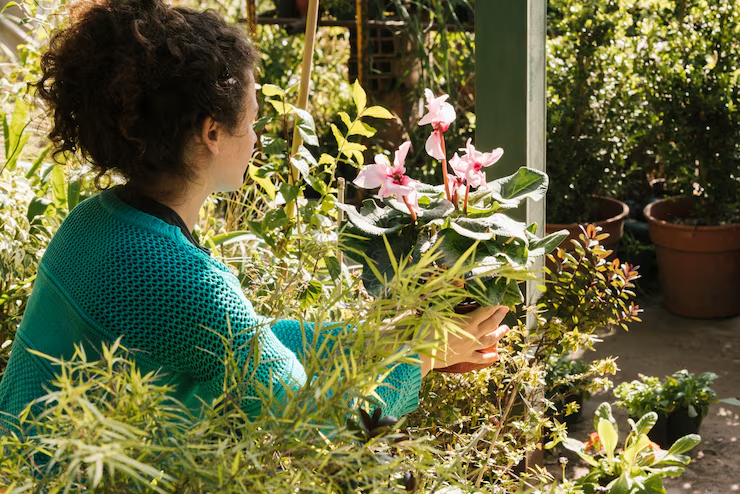
Gardening is more than growing flowers or vegetables. It is a way to care for yourself while caring for something else. It keeps the body moving, the mind engaged, and the spirit connected to nature.
Whether you have a large backyard, a small balcony, or a few indoor plants, gardening can bring joy, purpose, and wellness into your life.
As we age, staying active and finding activities that support our health becomes increasingly important. Gardening is a beautiful reminder that growth does not stop with age. It simply changes seasons.