
Why Cleaning Your Gutters Before Winter Matters
7 min read
1336 words
As a homeowner, there are always a few maintenance jobs that seem to get pushed to the bottom of the list. Cleaning the gutters is often one of them. With autumn leaves covering the yard and colder weather approaching, it is easy to focus on the more obvious chores and forget about what is happening along the roofline. However, clogged gutters can lead to problems that are much more expensive and frustrating to deal with once winter arrives.
Here in Canada, changing temperatures, heavy snowfall and freezing rain can put extra pressure on your home’s drainage system. When gutters are packed with leaves, twigs and other debris, water cannot flow away as it should. It may overflow near the foundation, freeze inside the gutters or contribute to moisture problems around the house.
The good news is that a little attention in the fall can help prevent some of these issues. Whether you clean the gutters yourself or hire a professional, preparing them before winter sets in is a simple step toward protecting your home and avoiding unnecessary repairs.
Prevent Water From Damaging Your Home
Your gutters have an important job: collecting rainwater and directing it away from your home through the downspouts. When leaves, twigs and other debris block the system, water cannot flow as it should.
Instead, it may spill over the sides and run down exterior walls. Over time, repeated exposure to excess moisture can contribute to staining, damage to exterior finishes and water infiltration around vulnerable areas.
Water that is not directed away from the house can also collect near the foundation. Depending on the grading, soil conditions and drainage around your property, this may increase the risk of basement dampness or water entering through existing cracks and other weak points.
Cleaning the gutters does not guarantee a dry basement, but it is one practical step homeowners can take to help manage rainwater around the property.
Reduce the Risk of Ice Buildup
As temperatures drop, blocked gutters can become particularly troublesome. Leaves and other debris can trap water, preventing it from draining properly. When that water freezes, it can contribute to ice buildup that adds weight to the gutter system and interferes with drainage.
In some conditions, ice dams can also form along roof edges. These develop when snow melts on warmer sections of a roof and refreezes near colder eaves. Poor attic insulation, inadequate ventilation and heat escaping from the home are common contributing factors.
Clogged gutters are not the sole cause of ice dams, and cleaning them will not prevent every winter roofing problem. However, keeping gutters clear helps water drain properly before freezing weather sets in.
If you regularly notice substantial ice buildup along your roofline, consider having a qualified roofing professional assess the situation rather than attempting to remove heavy ice yourself.
Protect Your Roof and Gutters From Excess Weight
Wet leaves, compacted debris and standing water can become surprisingly heavy. When freezing weather arrives, ice can add even more weight to a gutter system.
Over time, this extra strain may cause gutters to sag, pull away from their fasteners or become damaged. Water can also back up beneath roof edges in certain conditions, potentially contributing to moisture problems.
While cleaning, look for visible signs of trouble, such as loose brackets, sagging sections, separated joints or damaged downspouts. If your gutters appear unstable or are positioned high above the ground, leave repairs to a qualified professional.
Addressing small problems in the fall may help prevent more extensive damage during winter storms.
Keep Water Away From Walkways and Entryways
Overflowing gutters can create problems beyond the roofline. Water pouring onto steps, driveways, decks and walkways can freeze when temperatures fall below zero.
That can leave slippery patches of ice in areas you and your family use every day. Water draining beside an entryway may also contribute to ice forming near doorways and garage entrances.
Check where your downspouts discharge water. They should direct it away from the home’s foundation and, where practical, away from frequently used walking surfaces. Make sure extensions are secure and that water is not simply being redirected toward a neighbour’s property.
A little attention to drainage can help reduce avoidable winter hazards around your home.
Help Prevent Pests From Finding Shelter
Gutters filled with wet leaves and organic debris can hold moisture and provide shelter for insects and other small pests. Debris that remains in place for long periods can also contribute to deterioration of the gutter system.
Cleaning out accumulated material removes one potential hiding place and gives you an opportunity to inspect the roofline for other maintenance concerns.
If you notice signs of nesting, pest activity or damage around the eaves, consider contacting an appropriate professional to address the issue safely.
When Should You Clean Your Gutters?
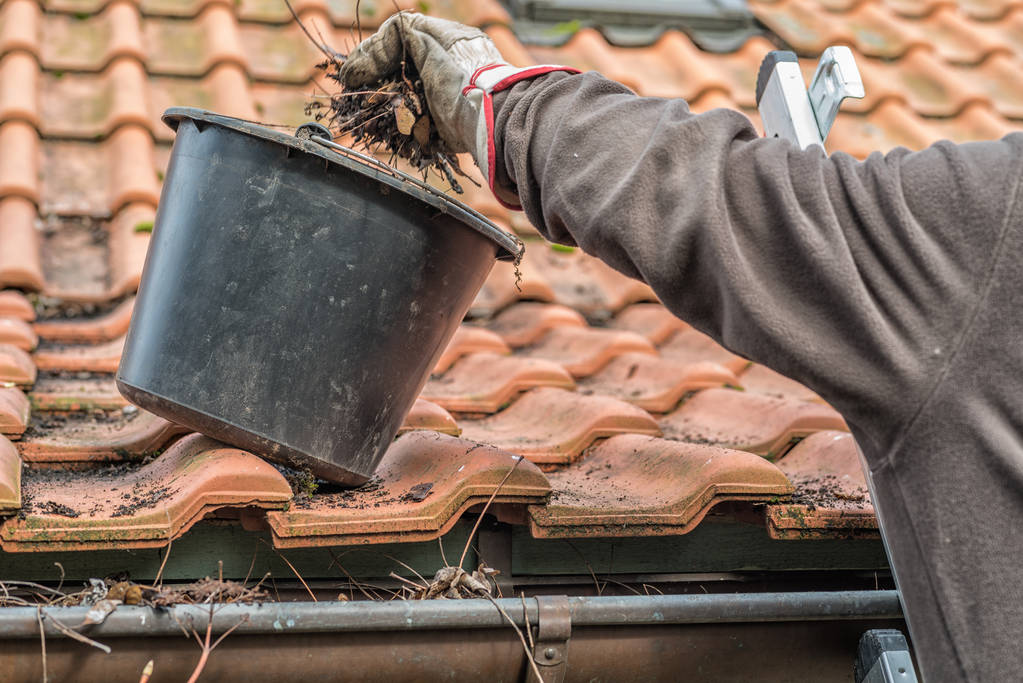
For many Canadian homeowners, late fall is an important time to inspect and clean the gutters after most leaves have dropped but before freezing conditions make the job more difficult.
The ideal timing depends on your property. Homes surrounded by mature trees may need more frequent cleaning, while properties with fewer overhanging branches may require less attention.
It is also worth checking the gutters in spring, when winter debris, seeds and small branches may have accumulated. After a major storm, a quick visual inspection can help identify obvious blockages or damage.
If you have gutter guards, do not assume the system is maintenance-free. Small debris can still collect on top of the guards or enter through openings, so periodic inspection remains important.
Should You Clean Your Gutters Yourself or Hire a Professional?
If your home is a single storey and the gutters are safely accessible, you may be able to handle some basic maintenance yourself. However, ladder work carries a risk of serious falls, especially on uneven ground, wet surfaces or slippery autumn days.
Before attempting any cleaning, consider the height of your home, the condition of the ground and whether you have the appropriate equipment and experience. Never lean too far from a ladder, climb onto a wet or icy roof, or work near overhead electrical wires.
For two-storey homes, steep roofs, damaged gutters or difficult-to-reach sections, hiring an insured gutter-cleaning professional is often the safer option. Ask what the service includes, whether downspouts will be checked and whether visible damage will be reported.
The cost of professional cleaning varies with the home’s size, height, accessibility and the amount of debris present. Getting a few local estimates can help you decide what makes sense for your property.
Other Fall Maintenance Tasks Worth Completing
Gutter cleaning is only one part of preparing your home for winter. While checking the exterior, take a few minutes to look for other maintenance needs.
- Inspect exterior doors and windows for worn weatherstripping or noticeable drafts.
- Check that downspouts direct water away from the foundation.
- Look for loose roof shingles or visible damage from the ground.
- Disconnect garden hoses and follow the appropriate instructions for winterizing outdoor faucets.
- Clear leaves away from foundation drainage areas and outdoor walkways.
- Arrange professional repairs for any problems you cannot safely assess yourself.
You can also prepare your outdoor space for the colder months by following our guide to Five Steps to Prepare Your Yard for Winter. It covers fall cleanup, lawn care, garden protection and storing outdoor equipment.
A Simple Job That Can Help Protect Your Home
Cleaning your gutters may not be the most exciting item on your fall to-do list, but it serves an important purpose. Clear gutters help rainwater drain away as intended, while regular inspections can reveal loose fasteners, damaged sections and other problems before winter weather makes repairs more difficult.
Make gutter maintenance part of your seasonal routine, especially if your property has mature trees nearby. If the work involves significant heights or unsafe conditions, leave it to a qualified professional.
A little preparation before winter arrives can help protect your home from preventable water damage and give you one less thing to worry about when the snow starts falling.