Fall Prevention Tips for Seniors: Make Your Home Safer
9 min read
1781 words
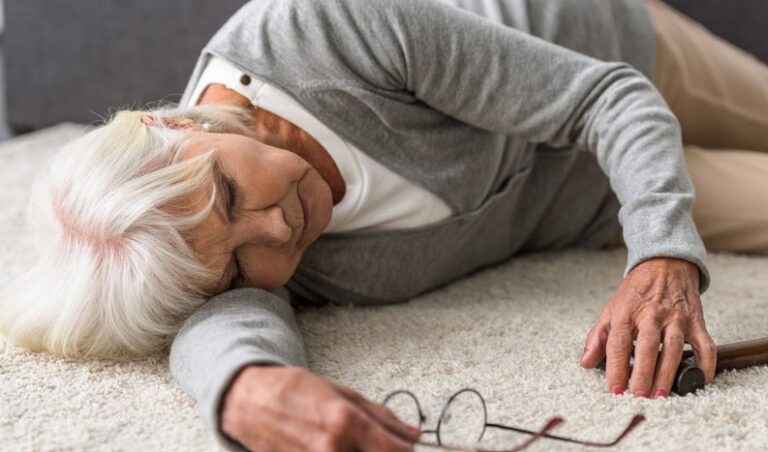
As we age, maintaining a safe and comfortable home becomes increasingly important. Fall prevention tips for seniors can help older adults reduce their risk of injury, maintain independence, and continue enjoying the home they love. Falls are one of the most common safety concerns for older adults, but many accidents can be prevented with simple changes to the living environment, improved mobility habits, and the right safety supports. In this guide, we will explore practical ways to make your home safer and help you or your loved one stay steady, confident, and independent.
1. Remove Common Fall Hazards Around the Home
The first step in fall prevention is completing an “audit” of your living environment. Many falls happen because of small, overlooked hazards that can easily be corrected with a few simple changes.
Remove Loose Rugs
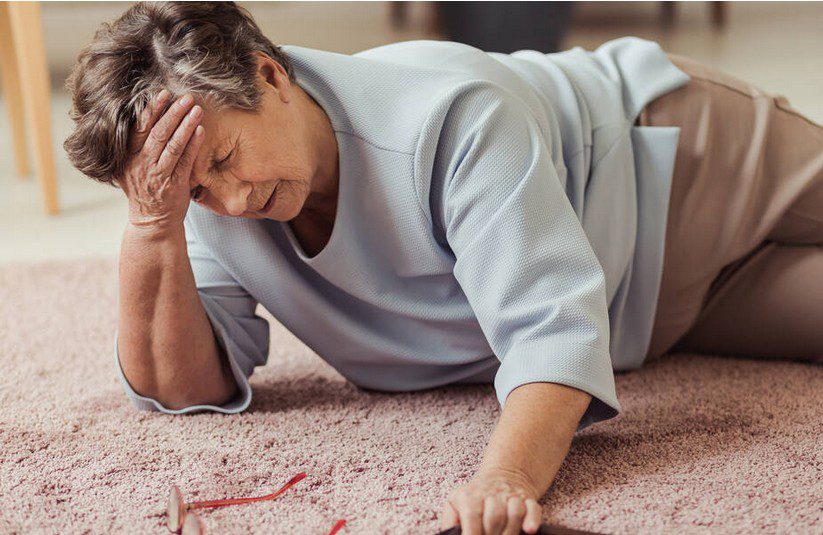
Area rugs and throw rugs are common trip hazards, especially if they slide, curl at the edges, or are placed in high-traffic areas. Consider removing them completely or securing them with double-sided tape and non-slip backing to keep them firmly in place.
Keep Walkways Clear
Make sure furniture is arranged to create wide, unobstructed pathways throughout your home. Remove low coffee tables, plant stands, clutter, or decorative items that may be difficult to see or navigate around.
Secure Electrical Cords
Electrical cords stretched across walking paths can quickly become a tripping hazard. Use cord organizers, covers, or clips to keep cords safely secured along walls or baseboards.
Improve Lighting
Poor lighting can make it difficult to see obstacles, changes in flooring, or steps. Replace dim bulbs with bright, non-glare LED lighting and consider adding motion-sensor lights in hallways, stairways, and entrances.
Keep Items Within Reach
Avoid using step stools or standing on chairs to reach everyday items. Store frequently used kitchen supplies, clothing, medications, and toiletries at an easy-to-reach height. This should ideally be between waist and shoulder level.
2. Make the Bathroom Safer
The bathroom is often considered one of the most dangerous rooms in the home because of slippery surfaces, wet floors, and the need to sit and stand safely.
Install Grab Bars
Towel racks are not designed to support body weight and should never be used for balance. Install professional-grade grab bars near the toilet, bathtub, and shower area to provide reliable support.
Use Non-Slip Mats
Place rubberized, non-slip mats inside the shower or bathtub and on the floor where you step out. These can help prevent slips caused by wet surfaces.
Add a Shower Chair
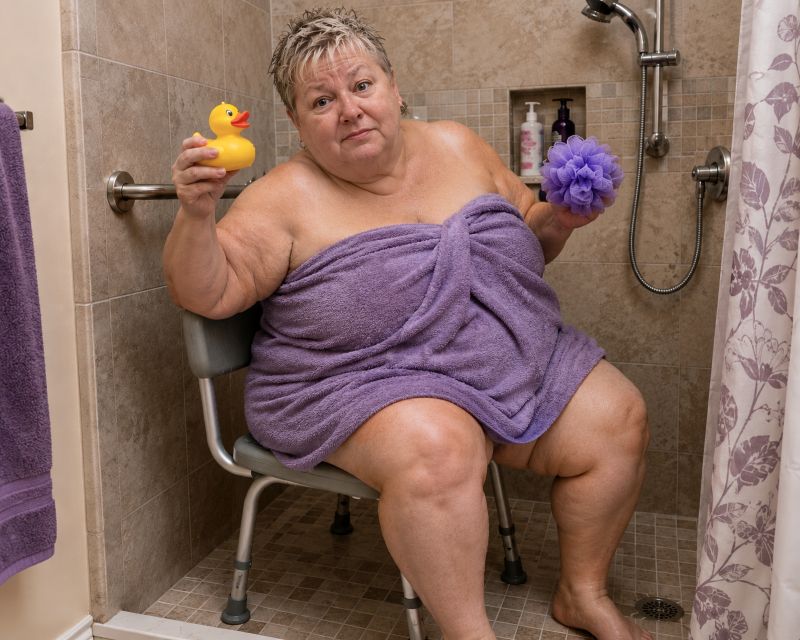
If balance, strength, or endurance is a concern, a shower chair can make bathing safer and more comfortable by allowing you to sit while washing.
Install a Handheld Showerhead
A handheld showerhead makes bathing easier by allowing you to direct water where needed without having to move around excessively under the shower stream.
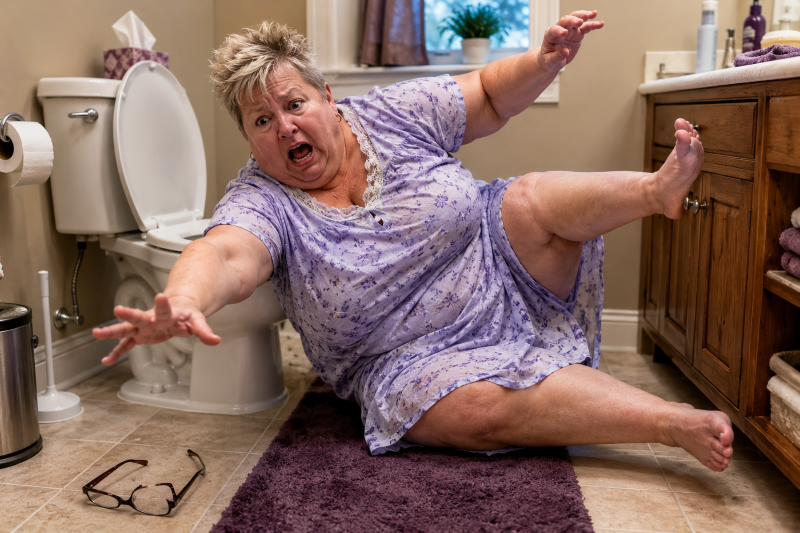
Avoid reaching or twisting while sitting on the toilet: Reaching for toilet paper, towels, toiletries, or nearby items can cause you to lose your balance, especially when standing up or sitting down. Keep frequently used items within easy reach and avoid leaning or twisting your body while on the toilet. If you need support, consider installing a properly placed grab bar near the toilet to provide extra stability.
Looking for more ways to adapt your living space? Check out our guide on Home Modifications for Seniors: Safe Aging at Home.
3. Improve Bedroom Safety
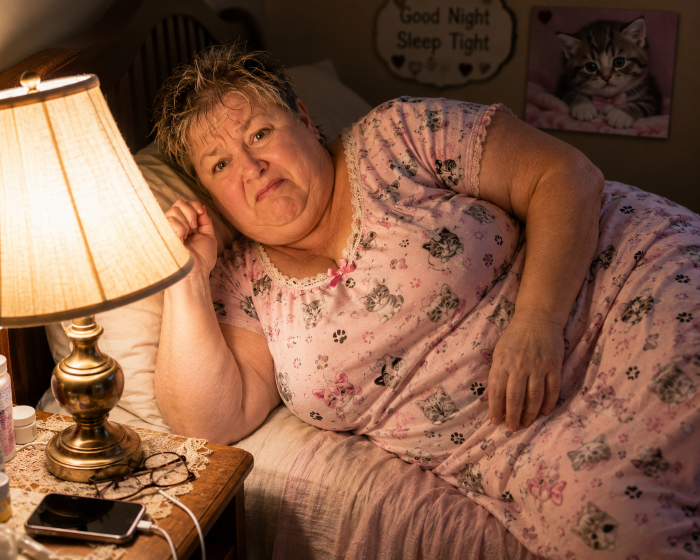
Safety should not stop when you go to bed. Many falls happen during nighttime trips to the bathroom when you may be tired, groggy, or moving in low light.
Keep a Lamp Within Reach
You should never have to walk across a dark room to find a light switch. Keep a lamp or bedside light within easy reach so you can safely see before getting out of bed.
Clear the Path Around the Bed
Remove slippers, books, clothing, charging cords, and other clutter from the area around your bed to create a clear walking path.
Use Night Lights
Motion-sensor night lights in hallways, bedrooms, and bathrooms provide instant visibility during nighttime trips and reduce the risk of walking in the dark.
Choose Supportive Footwear
Avoid walking in socks or loose-fitting slippers, which can increase the chance of slipping. Supportive shoes with non-slip soles are a safer option—even indoors.
4. Prevent Falls on Stairs
Stairs require balance, strength, and careful movement, making them one of the highest-risk areas in many homes.
Install Sturdy Handrails
Ensure stairs have secure handrails on both sides whenever possible. Handrails should extend the full length of the staircase and be easy to grip.
Keep Stairs Well Lit
Install lighting with switches at both the top and bottom of the stairs. Good visibility helps prevent missed steps and misjudging distances.
Carry Less
Avoid carrying large or heavy items that block your view of the stairs. Consider using a “stairs basket” for small items that need to be moved between floors or ask for assistance with heavier objects.
Add Non-Slip Strips
Wooden or tile stairs can become slippery. Adhesive non-slip strips along the edge of each step can provide additional traction and improve safety.
5. Encourage Safe Mobility and Physical Health
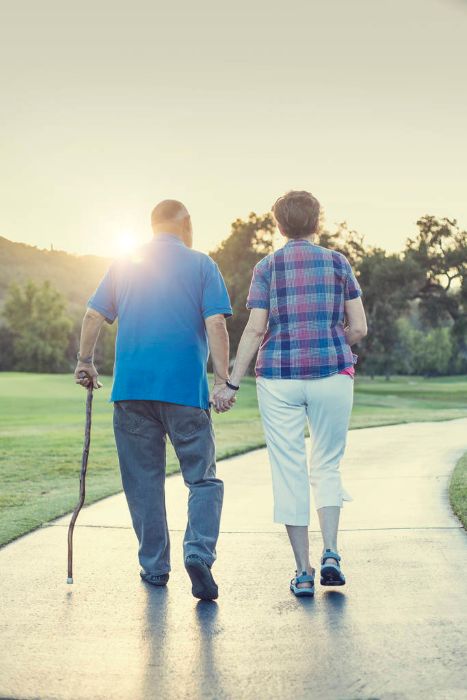
Environmental changes are only part of fall prevention. Maintaining strength, flexibility, and balance is equally important.
Stay Physically Active
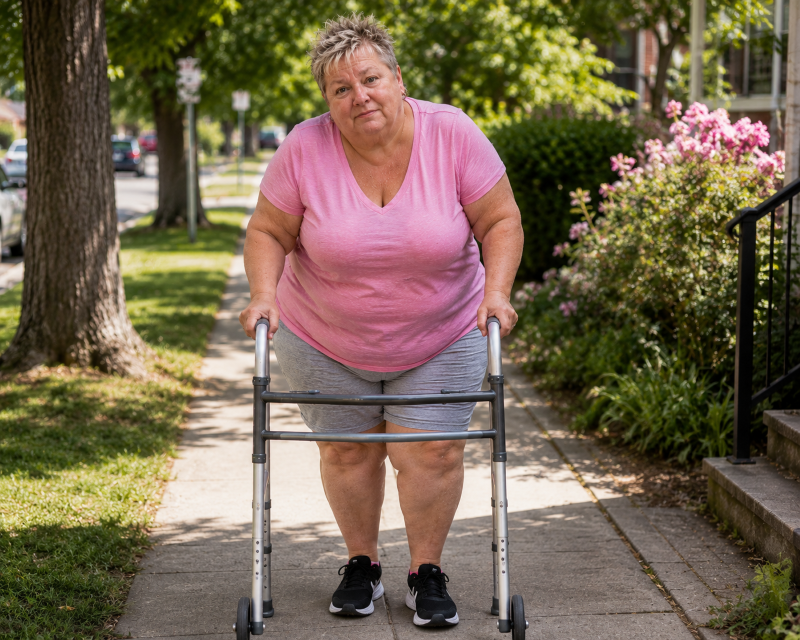
Regular movement is one of the best ways to support balance, strength, and independence as you age. Activities such as walking, swimming, water aerobics, and gentle strength exercises can help maintain muscle strength, improve coordination, and support better stability when performing everyday activities.
Walking is one of the best exercises for seniors because it is simple, affordable, and can easily be adjusted to match your fitness level. A daily walk can help strengthen the legs, improve endurance, support joint mobility, and build confidence with movement. Even short walks around the neighbourhood, a local park, or inside a shopping mall can provide health benefits when done consistently.
If you are new to exercise or have concerns about balance, start slowly and gradually increase your activity level. Choose safe walking areas with even surfaces, wear supportive shoes, and consider using a walking aid if recommended by your healthcare provider. Staying active not only helps reduce fall risk but also supports overall health, energy levels, and quality of life.
Practice Balance Exercises
Exercises such as Tai Chi, yoga, and balance training can improve coordination, flexibility, and confidence when moving around.
Use Mobility Aids Correctly
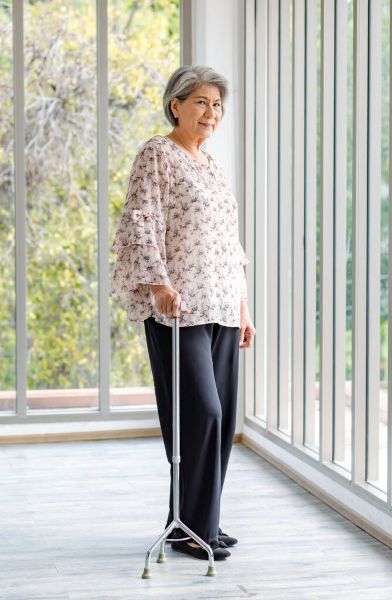
If a healthcare provider recommends a cane, walker, or another mobility aid, use it consistently and as instructed. These tools are designed to improve balance, provide additional support, and help you move around your home and community more safely. Some people may avoid using mobility aids because they feel it affects their independence, but the right device can actually help you remain active and confident.
Make sure your cane or walker is properly fitted for your height and that you understand how to use it correctly. A device that is the wrong size or used incorrectly may increase the risk of falls rather than prevent them. Ask a healthcare professional or physical therapist for guidance if you are unsure how to use your mobility aid safely. Regularly check the condition of rubber tips, wheels, and grips to ensure your equipment remains secure and reliable.
Not sure which tool is right for you? Read our article on Top Assistive Devices for Seniors: A Guide to Aging.
6. Use Technology to Improve Safety
Modern technology has made aging in place safer than ever by helping seniors stay connected and allowing families to provide support from a distance.
Medical Alert Systems and Fall Detection Devices
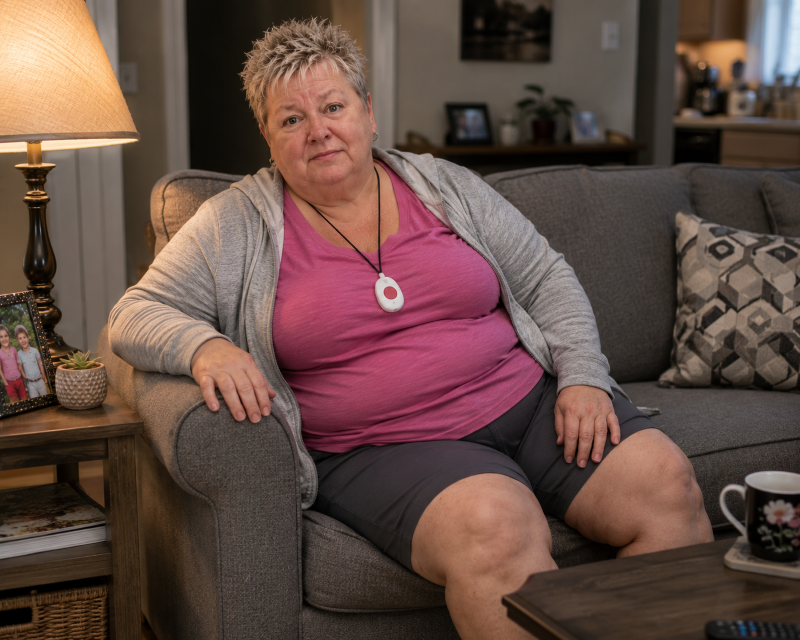
Medical alert systems such as Lifeline and other wearable safety devices can provide added protection for seniors living independently. Some smartwatches and wearable devices can automatically detect a fall and alert emergency contacts, caregivers, or emergency services. These devices are especially helpful for older adults who live alone, providing peace of mind that help is available quickly if an accident occurs.
Smart Lighting
Voice-activated lighting systems allow seniors to turn lights on before getting out of bed or walking through a dark room.
Explore more technological solutions in our post on Home Health Care Innovations Transforming Modern Care.
7. Support Vision and Hearing Health
Your senses play an important role in maintaining balance. Good vision helps you identify obstacles, while hearing helps with awareness of your surroundings.
Schedule Regular Eye Exams
Update your prescription regularly and have your vision checked by an eye care professional. Changes in eyesight can happen gradually, making it easy to overlook problems that may affect your safety. Conditions such as cataracts, glaucoma, macular degeneration, or general vision changes can reduce depth perception, affect your ability to judge distances, and make it harder to see obstacles, steps, or uneven surfaces around your home. Maintaining good eye health and addressing vision problems early can play an important role in reducing fall risk and helping you stay independent.
Keep Glasses Clean
Smudged or dirty lenses can make it harder to see changes in flooring, steps, or obstacles around the home. Investing in a good-quality glasses cleaner and microfiber cloth can help keep your vision clear throughout the day. Clean lenses regularly to reduce glare, improve visibility, and make it easier to notice potential fall hazards before they become a problem.
Address Hearing Loss
Recent studies have linked untreated hearing loss to an increased risk of falls. See an audiologist if you find yourself struggling to hear.
8. Review Your Medications
Some medications or combinations of medications can cause side effects such as dizziness, lightheadedness, confusion, or drowsiness.
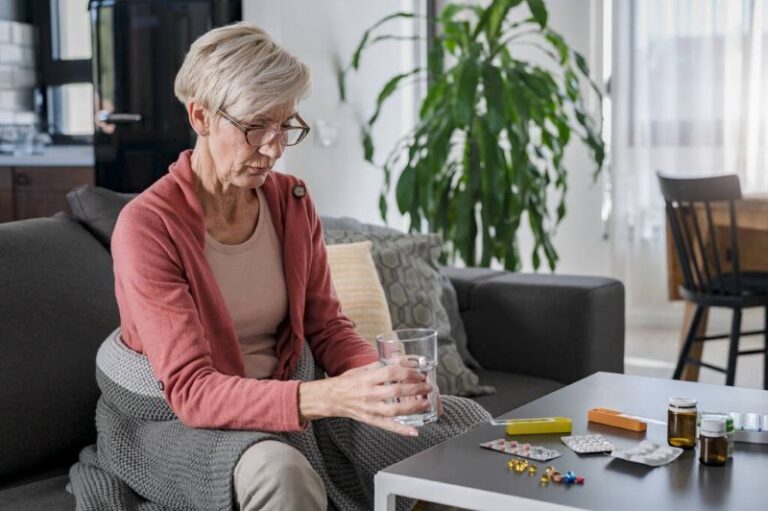
This can include certain blood pressure medications, sleep aids, sedatives, and some over-the-counter medications.
Pro Tip: Once or twice a year, bring a complete list of your medications, vitamins, and supplements to your doctor or pharmacist for a medication safety review.
Fall Prevention Checklist for Seniors
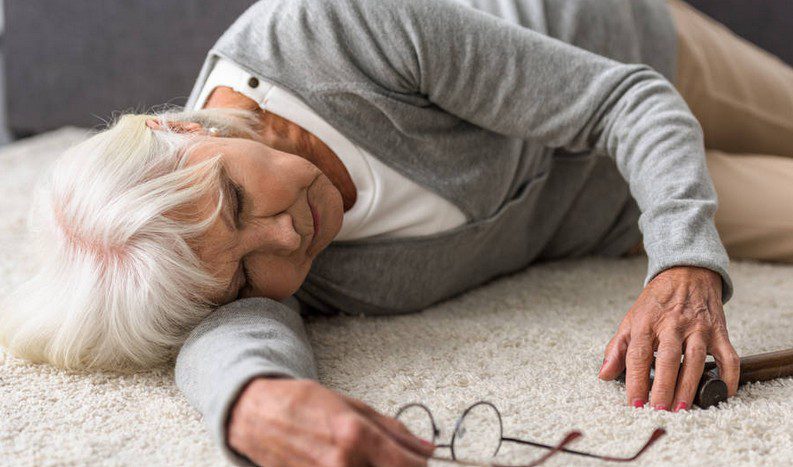
Use this quick checklist to help make your home safer:
- Lighting: Are all rooms and hallways bright and easy to navigate?
- Walkways: Are floors clear of clutter, cords, and loose rugs?
- Bathroom: Are grab bars and non-slip mats installed?
- Footwear: Am I wearing supportive shoes with non-slip soles?
- Emergency Plan: Do I have a way to call for help if I fall?
Conclusion
Preventing falls is about more than just safety. It is about creating a home environment where seniors feel confident, comfortable, and independent.
By making small but meaningful changes, such as improving lighting, removing hazards, adding bathroom supports, and using helpful technology, you can greatly reduce fall risks and improve quality of life.
Don’t wait for a “near miss” to take action. Start with one room today and transform your home into a safer, more comfortable place to live and age well.