Ozempic Alternatives: Lifestyle Changes People Are Exploring
7 min read
1382 words
In recent years, medications like Ozempic have become familiar names in conversations about diabetes and weight loss. Originally developed to help people manage type 2 diabetes, Ozempic (semaglutide) has gained attention for its role in weight management. However, not everyone wants to use a weekly injection. Some people cannot access these medications because of cost, availability, or side effects, while others prefer a lifestyle-based approach. As a result, many people are exploring Ozempic alternatives that focus on everyday habits, including balanced food choices, regular movement, quality sleep, and stress management.
While lifestyle changes may not work in the same way as a GLP-1 medication, they can provide a strong foundation for improving overall health, supporting blood sugar control, and creating habits that can last a lifetime. For those considering Ozempic, it is also important to understand the potential concerns and side effects associated with these medications. Learn more in our article, The Dangers of Ozempic: Understanding the Risks.
What Is Ozempic and Why Are People Looking for Alternatives?

For those searching for Ozempic alternatives, the goal is often to find sustainable ways to support appetite control, healthy weight management, and better metabolic health. While Ozempic has helped many people, some are exploring natural alternatives because of cost, availability, side effects, or a desire to focus on long-term lifestyle changes.
Cost: Without insurance coverage, GLP-1 medications can be expensive.
Availability: High demand has caused supply shortages in some areas.
Side effects: Some people experience nausea, digestive problems, or other unwanted effects. Understanding both the benefits and possible risks of GLP-1 medications can help people make informed decisions. Read more about Ozempic and the Unexpected Bowel Obstruction
Long-term approach: Many prefer focusing on habits they can maintain throughout life.
1. Building Balanced Meals for Better Blood Sugar Control
Balanced meals are one of the most practical Ozempic alternatives people are exploring because food choices can influence hunger, energy levels, and blood sugar patterns.
One popular approach is the Three-Part Plate method:
Half the plate: Non-starchy vegetables such as broccoli, spinach, peppers, and leafy greens.
One-quarter of the plate: Protein sources like chicken, fish, eggs, tofu, or beans.
One-quarter of the plate: High-fibre carbohydrates such as sweet potatoes, quinoa, lentils, or whole grains.
Combining protein, fibre, and carbohydrates can help slow digestion and prevent the blood sugar spikes and crashes that often leave people feeling hungry soon after eating.
2. Increasing Protein to Feel Fuller Longer
Protein plays an important role in many weight management plans. It helps support muscle, keeps meals satisfying, and may help reduce constant hunger and cravings.
Many people are adding more protein-rich foods to their daily meals, including:
• Greek yogurt or cottage cheese for snacks
• Eggs, fish, and lean meats
• Lentils, chickpeas, and other plant-based proteins
For women over 50, getting enough protein becomes especially important because it helps maintain muscle as the body naturally changes with age.
3. The Power of Fibre

Fibre has become a major focus in the wellness world, with many people exploring trends like fibremaxxing, which encourages adding more fibre-rich foods to daily meals. From supporting digestion to helping people feel fuller longer, increasing fibre can be a simple lifestyle change for better metabolic health. Learn more in our article, Fiber Maxxing: Metabolic Eating.
Simple ways to add more fibre include:
• Adding chia seeds or ground flaxseed to breakfast
• Choosing whole grains instead of refined grains
• Eating more vegetables, berries, beans, and lentils
A fibre-rich eating pattern can help support better digestion and may make it easier to manage hunger throughout the day.
4. Strength Training and Building Muscle
Exercise is another important part of supporting metabolic health. While walking and cardio activities are beneficial, strength training helps build and maintain muscle. Muscle is important because it helps the body use glucose more effectively and supports strength, balance, and mobility.
Strength training becomes especially important as we get older because maintaining muscle helps support mobility, balance, and overall health. Many women over 50 are discovering that building strength is not about becoming a bodybuilder, but about staying strong, independent, and active. Learn more in our article, Strength Training After 50: Build Muscle & Strength.
Beginners can start with:
• Resistance bands
• Bodyweight exercises
• Light dumbbells
• Simple strength routines at home
Small steps can lead to meaningful improvements over time.
5. Walking and Daily Movement

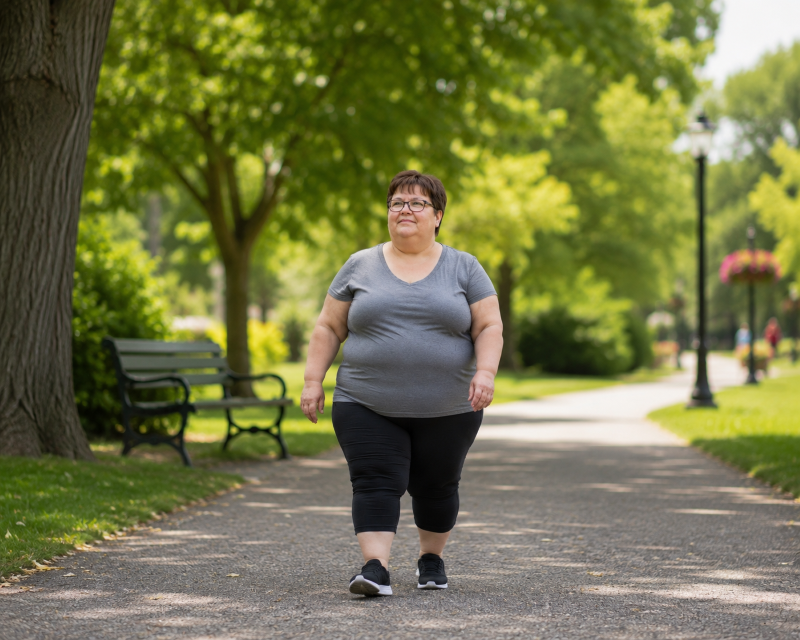
You do not need intense workouts to support your health. Walking is one of the simplest ways to add more movement to your day while supporting weight management, heart health, mobility, and overall wellness. Many women over 50 are discovering that a regular walking routine can become a realistic and enjoyable part of healthy aging. Learn more in our article, Walking After 50: Benefits of Walking Every Day.
A short walk after meals may help support healthier blood sugar levels. Other forms of movement, such as gardening, cleaning, shopping, or taking the stairs, also count.
These everyday activities are part of what is known as non-exercise activity thermogenesis (NEAT), which refers to the energy we use during daily movement outside of formal exercise.
6. Prioritizing Sleep and Managing Stress

Weight management is influenced by more than food and exercise. Sleep and stress also play important roles.
Poor sleep can affect hunger hormones, making cravings and appetite harder to manage. Chronic stress can also increase cortisol levels, which may contribute to changes in appetite and weight.
Helpful habits may include:
• Creating a consistent bedtime routine
• Limiting screens before bed
• Practicing meditation or relaxation techniques
• Spending time outdoors
Improving sleep and lowering stress can support healthier choices throughout the day.
7. Practicing Mindful and Intuitive Eating
Many people are moving away from restrictive dieting and exploring mindful eating instead.
Mindful eating involves paying attention to hunger and fullness signals, slowing down during meals, and enjoying food without guilt.
This approach can help people recognize when they are satisfied rather than automatically eating until their plate is empty.
For many women, especially those who have spent years dieting, learning to trust their body’s signals can be an important step toward a healthier relationship with food.
8. Supporting Gut Health and Choosing Less Processed Foods
Gut health has become another area of interest when it comes to weight management and overall wellness.
People are focusing on:
• Eating a variety of plant foods
• Including fermented foods such as yogurt, kefir, sauerkraut, and kimchi
• Reducing ultra-processed foods like sugary drinks and packaged snacks
A balanced eating pattern that includes whole foods can support digestion, energy levels, and overall health.
A Word About Supplements
Some people explore supplements such as fibre powders or protein shakes as part of their health routine. While these products may be helpful for some individuals, they are not replacements for nutritious foods, lifestyle habits, or prescribed medications.
Before starting any new supplement, it is important to speak with a healthcare provider, especially if you have diabetes, prediabetes, or take medications.
Can Lifestyle Changes Replace Medication?
The answer depends on the individual.
For some people, improving nutrition, increasing activity, and making sustainable lifestyle changes may help them reach their health goals. Others may benefit from medication along with healthy habits.
Managing weight and blood sugar is not a one-size-fits-all journey. The best approach is one that considers a person’s health history, goals, and lifestyle.
When to Talk to Your Healthcare Provider
If you have diabetes, prediabetes, or concerns about your weight, talk with your healthcare provider before making major changes.
A healthcare professional can help determine whether lifestyle changes alone are appropriate or whether medication, combined with healthy habits, may be the best option.
Conclusion

There is no single solution that works for everyone. While medications like Ozempic can be an important tool for some people, lifestyle changes remain a powerful part of long-term health.
Building balanced meals, eating enough protein and fibre, staying active, getting quality sleep, and managing stress can all support better metabolic health.
Small, consistent changes often create the strongest foundation for lasting results.
Disclaimer: This article is for informational purposes only and is not intended to replace professional medical advice, diagnosis, or treatment. Lifestyle changes, nutrition strategies, and weight management approaches may affect everyone differently. If you have diabetes, prediabetes, are considering weight loss medications such as Ozempic, or have questions about your health, consult with a qualified healthcare provider before making changes to your diet, exercise routine, medications, or supplements.