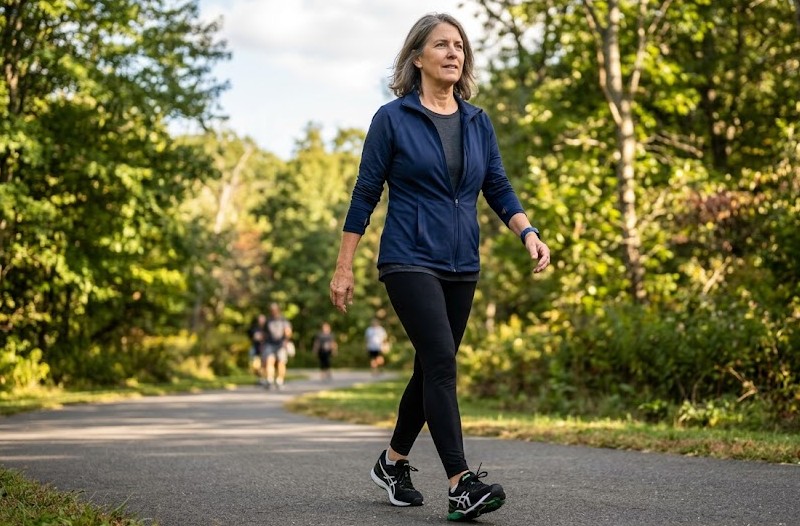
Best Walking Shoes for Women Over 50: Comfort & Support
10 min read
1989 words
Walking is one of the best forms of exercise for women over 50. It supports heart health, mobility, balance, and overall well-being while being gentle on the joints. However, the right footwear is essential. Unsupported shoes can contribute to foot pain, sore knees, blisters, and fatigue, making it harder to stay active. Today’s walking shoes offer improved cushioning, support, and comfort, helping you enjoy every step. This guide explains what to look for in walking shoes for women, highlights trusted brands, and shares practical tips to help you find the right fit.
If you are new to walking or looking for a simple way to build a routine, start with our 7-Day Walking Challenge for Beginners to Lose Weight. This beginner-friendly plan helps you gradually increase your walking time while creating a healthy habit that you can continue long term.
Why Supportive Walking Shoes Matter After 50
As we age, our feet naturally change. The protective fat pads under our feet may become thinner, arches can change, and conditions such as bunions, arthritis, or hammertoes may become more noticeable. Shoes that once felt comfortable may no longer provide the support your feet need.
The right walking shoes for women can help absorb shock, improve stability, reduce pressure on your feet and joints, and support natural movement.
- Cushion your feet
- Reduce stress on knees and hips
- Improve stability and balance
- Support proper alignment
- Reduce foot fatigue
Choosing supportive footwear can make walking more comfortable and help you stay active as you get older.
Key Features to Look for in Walking Shoes
Cushioning and Shock Absorption
A cushioned midsole helps absorb the impact of each step, reducing stress on your feet, knees, hips, and lower back. Look for lightweight foam cushioning that provides lasting comfort without making the shoe feel bulky, especially if you enjoy longer walks or spend hours on your feet.
Arch Support
Good arch support helps distribute pressure evenly across your feet and encourages proper alignment. This can improve comfort for women with flat feet, high arches, or overpronation. If you wear custom orthotics, choose shoes with removable insoles to ensure a better fit.
Wide Toe Box
A roomy toe box gives your toes space to spread naturally, helping reduce pressure and improve comfort. This feature is especially beneficial for women with bunions, hammertoes, swollen feet, or naturally wider feet.
Lightweight Design
Lightweight walking shoes reduce fatigue by requiring less effort with every step. Shoes made with lightweight materials can help you walk farther and stay comfortable during daily walks, travel, or long days on your feet.
Breathability
Breathable mesh uppers improve airflow, helping keep your feet cooler and drier during walks. Better ventilation can also reduce moisture buildup, helping minimize blisters and improve overall comfort in warmer weather.
Slip-Resistant Outsole
A durable rubber outsole with good traction helps provide a secure grip on sidewalks, trails, and wet surfaces. Slip-resistant soles can improve stability and confidence, especially when walking in rainy or uneven conditions.
Walking Shoes vs Running Shoes
Walking shoes for women are designed for the heel-to-toe motion of walking and often provide excellent stability and support. Running shoes are built to absorb the greater impact of running and typically offer more cushioning.
Many running shoes also work well for walking, so the best choice depends on comfort, support, and fit rather than the label.
Top 5 Walking Shoe Brands for Women Over 50
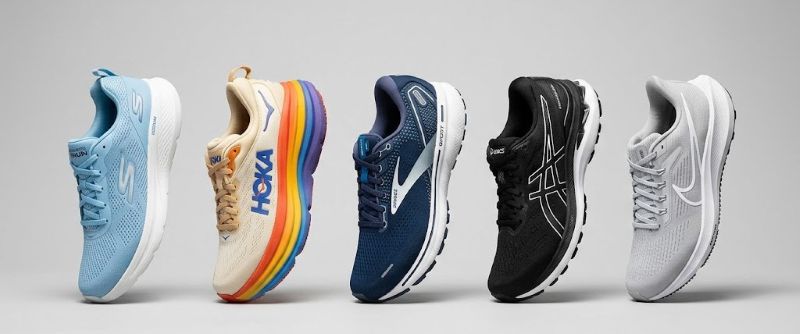
There is no single “best” walking shoe brand for everyone. The right choice depends on your foot shape, walking habits, and personal comfort preferences. Some women need extra cushioning, while others may need wider sizing, more stability, or a lightweight design.
The following brands are popular among women over 50 because they offer supportive footwear designed for walking, everyday activities, and active lifestyles.
New Balance
New Balance is known for supportive walking shoes and a wide range of sizing options, including wide and extra-wide widths. Many women appreciate the brand’s stability, cushioning, and comfortable fit, especially as foot shape changes with age.
Brooks
Brooks is recognized for its cushioning, stability, and comfortable walking experience. Although the brand is best known for running shoes, many styles also work well for walking, especially for women who spend long periods on their feet.
HOKA
HOKA is popular for its maximum cushioning and lightweight feel. The brand’s thick midsoles provide excellent shock absorption, making it a favourite among many walkers who want extra comfort during longer walks.
ASICS
ASICS combines cushioning technology, durability, and support in its athletic footwear. Many walkers appreciate the brand’s stability, breathable materials, and comfortable cushioning for fitness walking and everyday wear.
Skechers
Skechers is a popular choice for women looking for lightweight, comfortable, and affordable walking shoes. Many styles feature soft cushioning, flexible designs, and casual looks that easily transition from walking to everyday activities.
Remember, the best walking shoe is not necessarily the most expensive or the most popular. It is the shoe that fits your feet properly and provides the support and comfort you need to keep moving.
How to Choose the Right Walking Shoes
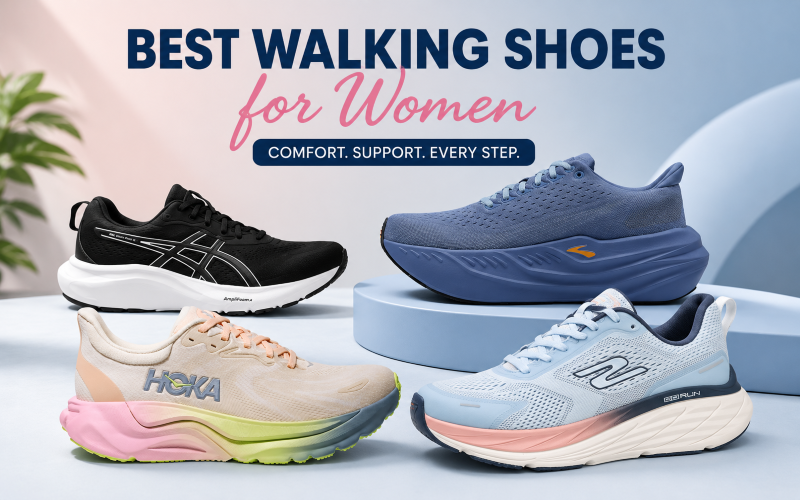
Finding the right walking shoes for women is about more than choosing a popular brand. A shoe that works well for one person may not feel comfortable for another. Your foot shape, walking habits, activity level, and any existing foot concerns all play a role in finding the best fit.
When shopping for walking shoes, keep these tips in mind:
- Shop later in the day: Feet naturally swell throughout the day, so trying shoes on in the afternoon or evening can help you find a more accurate fit.
- Wear your usual walking socks: The thickness of your socks can affect how a shoe fits.
- Leave enough room in the toe box: Your toes should be able to move freely, with about a thumb’s width of space between your longest toe and the end of the shoe.
- Check the heel fit: Your heel should feel secure without slipping when you walk.
- Walk before buying: Take a few minutes to walk around and make sure there are no pressure points or areas rubbing against your feet.
A good walking shoe should feel comfortable right away. While some materials may soften slightly with wear, a shoe should never require a painful break-in period.
Common Walking Shoe Mistakes to Avoid
- Choosing style over comfort: A fashionable shoe is not helpful if it does not support your feet.
- Wearing worn-out shoes: Old shoes may lose cushioning and support.
- Ignoring foot changes: Your shoe size and width can change over time.
- Choosing a shoe that is too narrow: Your toes need room to move naturally.
How Often Should You Replace Walking Shoes?
Walking shoes do not last forever. Over time, cushioning materials compress and the outsole can lose traction, reducing the support your feet receive.
Most walking shoes last approximately 300 to 500 miles (480 to 800 kilometres), although this depends on how often you walk, your body weight, your walking style, and the surfaces you walk on.
It may be time to replace your shoes if you notice:
- Your feet feel more tired after walking.
- Your knees, hips, or lower back feel more uncomfortable than usual.
- The soles are unevenly worn.
- The cushioning feels flat or less supportive.
- The shoes no longer feel as comfortable as they once did.
Replacing your walking shoes regularly can help you stay comfortable and continue enjoying an active lifestyle.
My Experience With Walking Shoes After 50
Over the years, I have learned that finding the right walking shoes is about much more than choosing a popular brand. As we get older, comfort, support, and fit become increasingly important because our feet and bodies change.
I have tried different brands of walking shoes, and I have discovered that what works well for one person may not work for another. A shoe can have excellent reviews, but the most important thing is how it feels on your own feet.
My Experience With Skechers
I am a long-time fan of Skechers and have owned several pairs over the years. I have always appreciated how lightweight and comfortable they feel, especially for everyday walking, shopping, errands, and casual activities.
Skechers offers many styles that are easy to wear and provide a comfortable cushioned feel. I like that they offer a variety of designs that can transition from a morning walk to running errands without feeling like I am wearing bulky athletic shoes.
My Experience With ASICS
I have also owned ASICS shoes and appreciate their cushioning, durability, and supportive design. They are a well-made athletic shoe that many walkers enjoy because of their stability and comfort.
However, I have noticed that some ASICS models have a firmer heel area. The back of the shoe can feel stiff, which may make it more difficult to slide your foot in, especially if you prefer a softer, more flexible shoe. This is a reminder that even highly rated shoes may not feel right for everyone.
What I Have Learned
The biggest lesson I have learned is that the “best” walking shoe is the one that fits your feet and supports your lifestyle. A shoe that feels comfortable when you first put it on is more likely to encourage you to keep walking.
When choosing walking shoes after 50, I look for:
- Comfort from the first wear
- Good cushioning without feeling too heavy
- Enough room for my toes to move naturally
- Support that helps me stay active
- A style I enjoy wearing
Walking is one of the best things we can do for our health as we age. The right pair of shoes can make the difference between wanting to go for a walk and finding excuses to stay home. Investing in comfortable, supportive footwear is an investment in staying active, independent, and enjoying life.
Frequently Asked Questions
What are the best walking shoes for women over 50?
The best walking shoes for women provide a combination of cushioning, support, stability, a comfortable fit, and a roomy toe box. Popular brands include New Balance, Brooks, HOKA, ASICS, and Skechers, but the best choice depends on your individual foot needs.
Are walking shoes better than regular sneakers?
Many regular sneakers are suitable for casual wear, but walking shoes are specifically designed to support the heel-to-toe movement of walking. They often provide better stability, cushioning, and support for regular walkers.
Should walking shoes be tight or loose?
Walking shoes should feel secure but never tight. Your heel should stay in place, and your toes should have enough room to move naturally.
Can I wear walking shoes with orthotics?
Yes. Many walking shoes have removable insoles that allow room for custom orthotics. Always check that your orthotics fit comfortably inside the shoe without making it too tight.
Are expensive walking shoes always better?
Not necessarily. A higher price does not guarantee the perfect fit. The best walking shoe is the one that provides the right combination of comfort, support, and stability for your feet.
Final Thoughts: Finding the Best Walking Shoes After 50
The best walking shoes for women over 50 are the ones that make you feel comfortable, supported, and confident every time you step out the door. While brands and features can help guide your decision, the most important factors are proper fit, cushioning, stability, and how the shoes feel on your own feet.
As our feet change with age, investing in supportive footwear can make walking more enjoyable and help you stay active for years to come. Whether you walk for fitness, weight management, better mobility, travel, or simply to enjoy time outdoors, a comfortable pair of shoes can help you keep moving.
Remember that there is no single perfect walking shoe for everyone. The right pair is the one that supports your individual needs and encourages you to take that next step.
After 50, every step matters. Choosing shoes that provide comfort and support is a simple way to protect your feet, maintain your mobility, and continue enjoying the many physical and mental benefits of walking.