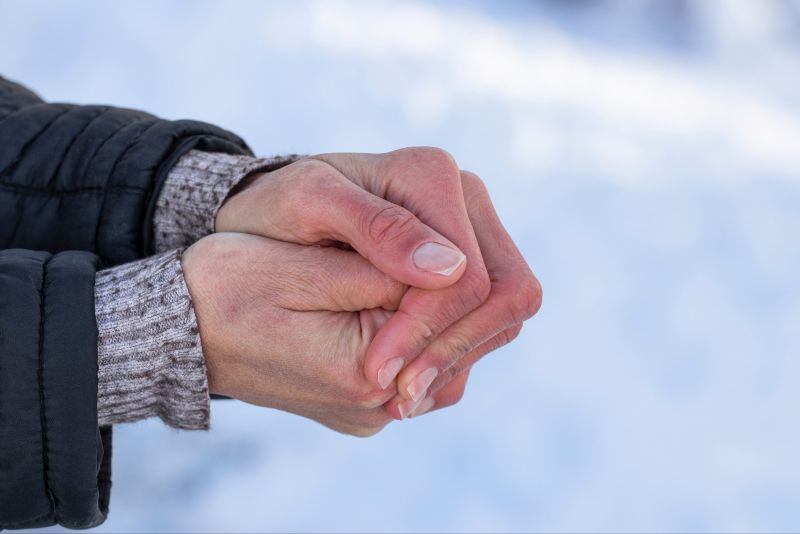
How to Prevent Dry Hands During the Cold Months
8 min read
1552 words
Cold weather has a way of making itself known, and for me, my hands are often one of the first places I notice it. Once the temperature drops and the air becomes drier, my hands can feel tight, rough and uncomfortable. Add frequent handwashing, household chores and going in and out of heated buildings, and it can become a constant battle to keep them feeling soft. Over the years, I have learned that preventing dry hands is much easier than trying to repair severely dry, cracked skin after it has already become painful. I also don’t believe you need an expensive collection of skincare products. A few simple habits can make a noticeable difference.
Why Do Hands Get So Dry in Winter?
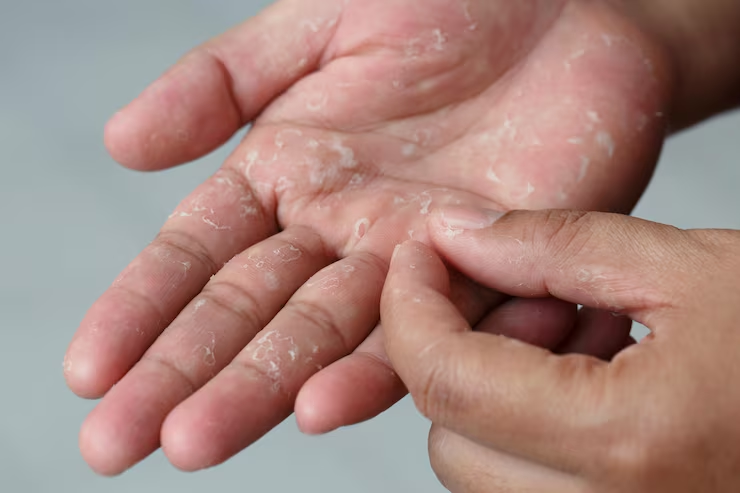
Winter air generally contains less moisture than warmer air. Indoor heating can make the air even drier, which can contribute to moisture loss from the skin. Our hands also take a lot of abuse throughout the day. We wash them, clean, wash dishes, go outdoors and expose them to repeated changes in temperature.
I have noticed that frequent handwashing is particularly hard on my hands. Of course, washing your hands is important, especially during cold and flu season, but repeatedly washing them with very hot water or using harsh soaps can leave my skin feeling stripped and tight. That is why I try to focus on protecting my skin rather than simply applying lotion after my hands have already become uncomfortable.
Don’t Use Very Hot Water
One of the easiest changes you can make is also one of the simplest. When my hands are cold, it is tempting to run them under very hot water because it feels so good at the time. However, very hot water can remove some of the skin’s natural oils and leave already-dry hands feeling even worse.
I use comfortably warm water instead, particularly when washing my hands or doing household chores. It may seem like a small change, but small changes are often easier to stick with, especially when they become part of your normal routine.
Choose a Gentle Hand Soap
Not all hand soaps leave my skin feeling the same. If your hands are becoming dry during the winter, look for a gentle, fragrance-free or moisturizing cleanser rather than a product that leaves your skin feeling extremely clean or tight afterward.
I don’t necessarily use the most expensive soap. I pay attention to how my hands feel after washing. If my skin feels tight immediately afterward, that is usually a sign that I should try something gentler. You don’t need to stop washing your hands to prevent dry skin. Good hand hygiene remains important. The goal is to choose products and habits that are kinder to your skin.
Moisturize While Your Skin Is Still Slightly Damp
This is one of the habits that has made the biggest difference for me. After washing my hands, I don’t always wait until they are completely dry before applying moisturizer. I gently pat them dry and apply hand cream while there is still a little moisture left on the skin. The moisturizer helps trap that moisture.
The key for me is consistency. Applying hand cream once when your hands are already cracked probably isn’t going to solve the problem overnight. Keeping a tube beside the sink, on my nightstand or somewhere I will actually see it makes me much more likely to use it. Sometimes making a product convenient is half the battle.
Look for Ingredients That Help Dry Skin
When choosing a hand cream, I don’t worry too much about fancy marketing claims. I look at the ingredients. Glycerin, ceramides, shea butter, petrolatum and hyaluronic acid are some ingredients commonly found in moisturizers designed to help with dry skin.
Different ingredients work in different ways. Some help attract moisture to the skin, while others help reduce moisture loss. For everyday winter dryness, I usually prefer a cream over a very lightweight lotion because creams tend to feel more protective, particularly when my hands are especially dry.
Don’t Forget the Backs of Your Hands
It is easy to concentrate on your palms and completely forget about the backs of your hands. That is actually where I often notice dryness first. When applying moisturizer, I make sure I work it over the backs of my hands, around my knuckles and between my fingers.
I also pay attention to my cuticles when my hands are particularly dry. It only takes another few seconds to work the cream around those areas, but they can become uncomfortable quickly when the weather is cold and dry.
Wear Gloves Outside
A pair of gloves can do more than keep your hands warm. Cold air and wind can be rough on exposed skin, so I try not to leave my hands uncovered for long periods when I am outside. This becomes especially important when temperatures drop below freezing.
If I am going to be outside for a while, gloves are part of staying comfortable, not just an accessory. If your gloves become wet, change them when you can. Wet fabric against cold skin is not exactly a recipe for comfortable hands.
Protect Your Hands During Household Chores
Washing dishes and cleaning can expose your hands to water and cleaning products repeatedly. This is something I have learned to pay more attention to because household chores can leave my hands feeling surprisingly dry.
When I am washing dishes or using cleaning products, wearing household gloves gives my hands another layer of protection. I don’t always remember to put them on for a quick job, but when I am going to be working with water or cleaning products for an extended period, I find they are worth using. Just make sure the gloves themselves are clean and dry inside.
Give Your Hands Extra Care at Night
Nighttime is when I like to give my hands a little extra attention. If my hands are feeling particularly dry, I apply a thicker hand cream before bed. I don’t have to worry about touching everything afterward, so I can use something richer than I might during the day.
Some people also like wearing cotton gloves over their moisturizer overnight. I don’t do this every night, but it can be an option if your hands are extremely dry. The important thing is finding something that works for you and that you will actually continue doing.
Don’t Forget Your Nails and Cuticles
Dry winter air doesn’t only affect the skin on your hands. My nails and cuticles can become dry too. When I am applying hand cream, I try to massage a little around my cuticles as well.
If your cuticles are particularly dry, you may also want to use a small amount of cuticle oil. There is no need to turn this into a complicated beauty routine. It can take less than a minute, and I find that those few extra seconds can make my hands look and feel much better.
Keep Hand Cream Where You Need It
One of the best skincare tricks I have learned is to make products convenient. If my hand cream is tucked away in a cupboard, I am much less likely to remember to use it. Keeping one near the bathroom sink and another beside my bed makes it easy to apply when I need it.
I also like carrying a small tube in my purse during the colder months. It sounds obvious, but sometimes the best skincare routine is simply the one that is within reach. If I have to go looking for the product every time my hands feel dry, chances are I am going to put it off.
When Dry Hands Need More Attention
There is a difference between mildly dry hands and skin that is severely cracked, bleeding, painful or showing signs of infection. If your skin is persistently cracked or painful despite using moisturizer and protecting your hands, it is worth talking with a healthcare professional.
Very dry skin can sometimes be related to conditions such as eczema or dermatitis, and those may need treatment beyond an ordinary hand cream. I also wouldn’t assume that every case of dry hands is simply because of winter. If something doesn’t seem right or your symptoms continue, getting professional advice is worthwhile.
What Works for Me
I have found that I don’t need a complicated routine to keep my hands more comfortable during the colder months. For me, it comes down to using comfortably warm rather than very hot water, choosing a gentle hand soap and applying moisturizer regularly, particularly after washing my hands. I also try to wear gloves outdoors, protect my hands when doing dishes or cleaning and give them some extra moisture before bed when they need it.
None of these steps is particularly exciting, but together they make a difference. Winter is hard enough on our skin without making things more complicated than they need to be. I’ve learned that taking a minute to moisturize my hands is much easier than waiting until they become so dry that every little crack hurts.
This article is based on my personal experience and general skincare information. It is not medical advice. If you have persistent, painful, cracked or inflamed skin, speak with your doctor, pharmacist or another qualified healthcare professional.