Fall Hair Care Routine: Repair Summer Damage
10 min read
1904 words
After months of sunshine, swimming, humidity and heat styling, your hair may look and feel very different when September arrives. A good fall hair care routine can help address some of the effects of summer, including dry ends, frizz, tangles, faded colour and increased breakage. Cooler temperatures and dry indoor air can create another challenge as fall progresses.
The good news is that you do not need an elaborate 10-step hair care routine to get your hair looking and feeling better. A few simple changes can help protect your hair, improve manageability and prevent additional damage as you head into fall and winter.
Why Does Hair Feel So Dry After Summer?
Summer can expose your hair to several sources of stress at the same time.
Sun exposure, chlorine, salt water, frequent washing and heated styling can all leave hair feeling drier. Humidity can also increase frizz, while repeated exposure to swimming pool chemicals may affect the feel and appearance of the hair.
If you colour your hair, you may notice these changes even more.
By early fall, you might notice:
- Dry or rough ends
- Increased frizz
- More tangles
- Split ends
- Hair that breaks more easily
- Dull-looking colour
- Less softness
- Hair that seems harder to style
It is important to have realistic expectations when treating damaged hair. Once the hair shaft has been damaged, products cannot permanently restore it to its original condition. Conditioning products can smooth the hair’s surface and temporarily improve its appearance and manageability, while trimming removes damaged ends.
Start Your Fall Hair Reset With a Trim
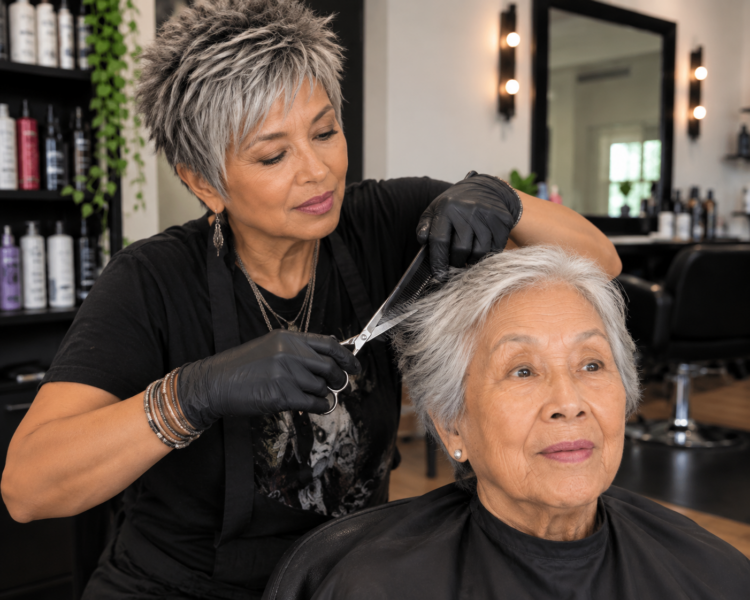
If your ends are splitting, constantly tangling or feeling rough, a trim may be the simplest way to make your hair look healthier.
You do not necessarily need a dramatic haircut. Ask your hairstylist to assess the condition of your ends and remove what is necessary.
If you are trying to grow your hair, let your stylist know. They can help you decide how much should be trimmed while maintaining as much length as practical.
A trim will not make hair grow faster, but removing severely damaged ends can make your hair easier to manage and prevent you from continually dealing with splitting and tangling.
Switch to a Moisturizing Shampoo and Conditioner
Your hair may need something different in September than it did during the summer.
If your hair feels dry or rough, consider switching to products formulated for dry, damaged or colour-treated hair, depending on your needs.
You do not necessarily have to spend a lot of money. Hair responds differently to different formulations, so the most expensive shampoo or conditioner is not automatically the best choice for everyone.
Look for a conditioner that leaves your hair feeling soft and manageable without making it excessively heavy or greasy.
Do Not Automatically Wash Less Often
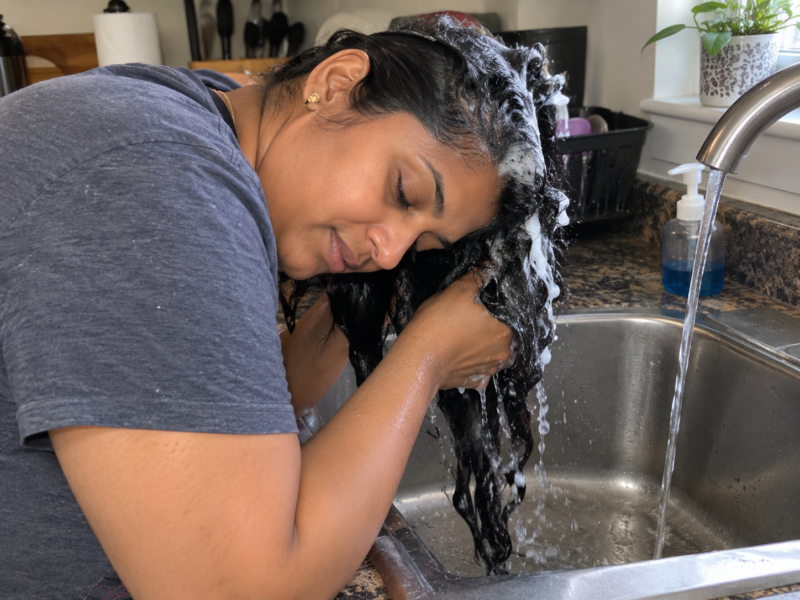
There is no universal number of times everyone should wash their hair.
Your ideal washing schedule depends on your scalp, hair texture, activity level and personal preference.
Someone with an oily scalp may need frequent washing, while someone with dry, curly or coarse hair may prefer less frequent washing.
Instead of following a strict schedule, pay attention to your scalp and hair. If your scalp becomes oily, itchy or uncomfortable between washes, changing the frequency may be more helpful than simply trying to stretch the time between shampoos.
Add a Weekly Conditioning Treatment
If your hair feels particularly dry after summer, a weekly deep-conditioning treatment can be a useful addition to your routine.
Apply the product according to the manufacturer’s directions. For many people, concentrating the treatment on the lengths and ends makes sense, particularly if the scalp becomes oily.
You do not necessarily need to leave a treatment on overnight. Longer application does not automatically produce better results.
Consistency is usually more useful than applying a large amount of product once every few weeks.
Be Gentle When Your Hair Is Wet
Wet hair is more vulnerable to stretching and breakage, which makes your post-shower routine important.
Instead of vigorously rubbing your hair with a bath towel, gently squeeze or blot out excess water.
A simple routine is:
- Gently squeeze excess water from your hair.
- Blot or wrap it in a soft towel.
- Apply a leave-in conditioner if needed.
- Use a wide-tooth comb to gently detangle.
- Start at the ends and gradually work upward.
- Avoid pulling through stubborn knots.
If your hair tangles easily, working through the ends first can reduce unnecessary pulling.
Turn Down the Heat
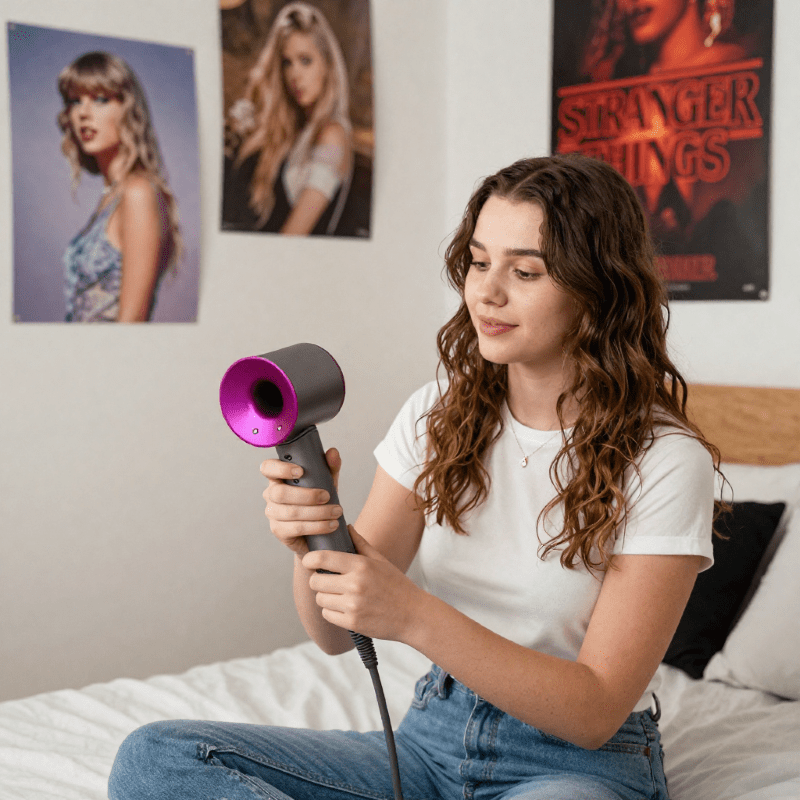
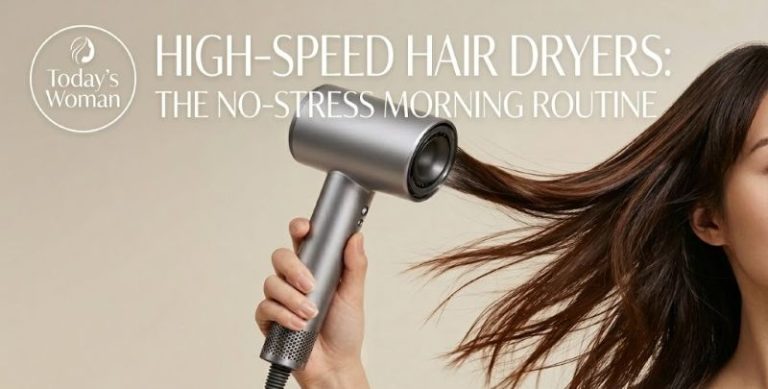
Fall often means returning to regular blow-drying, straightening and curling after spending more time air-drying during the summer.
Repeated high heat can contribute to hair damage, so consider making a few small adjustments.
Try to:
- Use a heat-protectant product before styling.
- Allow your hair to partially air-dry before blow-drying when practical.
- Use the lowest temperature that works for your styling needs.
- Avoid repeatedly passing a flat iron over the same section.
- Give your hair occasional breaks from heated styling.
Heat protectants can help reduce damage, but they do not make hair immune to excessive heat.
Protect Your Hair From Cooler Weather
Protect Your Hair From Cooler Weather
As temperatures drop and indoor heating starts running, your hair may need extra protection from dry air. For more tips, see our guide to How to Protect Your Hair From Dry Winter Air.
Cooler outdoor temperatures, wind and lower humidity can leave hair feeling dry, while indoor heating can make the air even drier. Scarves, coats and hats can also create friction that contributes to tangling, frizz and static.
A few simple fall hair care habits can help:
- Keep using conditioner regularly.
- Apply a small amount of leave-in conditioner to dry ends when appropriate.
- Avoid excessively hot showers.
- Minimize unnecessary heat styling.
- Detangle gently to reduce pulling and breakage.
- Avoid repeatedly rubbing or pulling your hair against rough clothing.
- Consider a soft hat if you need protection from cold or wind.
If static becomes a problem, a small amount of leave-in conditioner or an anti-static hair product may help. These simple steps can help keep your hair more manageable as you transition from summer into the colder months.
Pay Attention to Your Scalp, Too
It is easy to concentrate on the hair itself and forget about the scalp.
Fall and winter can bring changes in scalp comfort, particularly for people who experience dryness or flaking.
Use a gentle shampoo appropriate for your scalp and avoid scratching aggressively if your scalp feels itchy.
Persistent itching, redness, scaling, sores or significant changes in your scalp should not automatically be blamed on dry weather. Conditions such as dandruff, eczema and psoriasis can require specific treatment.
If a scalp problem persists or worsens, speak with a healthcare professional or dermatologist.
Give Colour-Treated Hair Extra Care
If you colour your hair, summer may have left it looking less vibrant.
Sun exposure, swimming, frequent washing and heat styling can affect the appearance of coloured hair.
Products designed for colour-treated hair may help maintain its appearance. Regular conditioning and limiting unnecessary heat can also improve manageability.
If your colour needs significant correction after summer, consider talking with a professional stylist before applying multiple chemical treatments at home.
Do You Need Hair Oils?
Hair oils can be useful for people whose hair feels dry or looks frizzy.
A small amount applied to the lengths and ends can improve smoothness and shine. Start with a small amount because too much can leave the hair looking greasy or weighed down.
Keep in mind that hair oil does not permanently repair split ends. It can temporarily improve the appearance and feel of the hair.
If the ends are severely split, a trim is the more practical solution.
Do Not Forget About Your Diet
Hair care is not only about shampoo and conditioner.
Adequate nutrition supports normal hair growth. A varied eating pattern that includes sources of protein, vegetables, fruit, whole grains and other nutrient-rich foods provides a range of nutrients needed by the body.
It can be tempting to purchase supplements marketed specifically for hair growth, but more is not necessarily better. Taking large amounts of individual nutrients without a demonstrated need can sometimes cause problems.
If you experience significant or unexplained hair loss, talk with a healthcare professional rather than assuming you simply need a hair supplement.
Illness, stress, hormonal changes, medications and nutritional deficiencies can all be associated with changes in hair growth or shedding.
A Simple Fall Hair Care Routine
You do not need a complicated routine to care for your hair.
On Wash Day
Shampoo: Concentrate on cleansing the scalp and allow the shampoo to rinse through the lengths.
Condition: Apply conditioner to the lengths and ends as needed.
Detangle: Use a wide-tooth comb and start at the ends.
Protect: Apply a heat protectant if you plan to use heated styling tools.
Dry gently: Blot rather than vigorously rubbing your hair.
Once a Week
Use a deep-conditioning treatment if your hair feels dry, rough or difficult to manage.
Every Few Weeks
Look at your ends. If they are becoming increasingly split, rough or tangled, consider whether it is time for a trim.
Every Day
Be mindful of unnecessary heat, pulling and friction. Small habits repeated consistently can make a difference to how manageable your hair feels.
When Hair Damage May Need More Than a New Routine
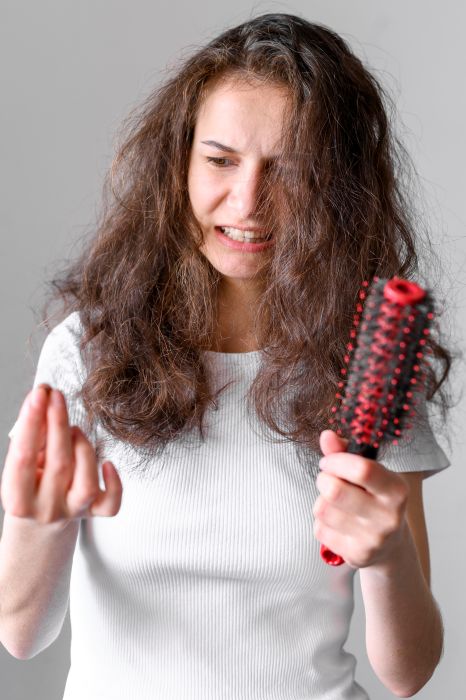
Not every hair problem is caused by summer.
If you suddenly experience substantial hair shedding, noticeable thinning, bald patches, scalp sores or significant changes in your hair or scalp, a new shampoo may not address the underlying problem.
Hair loss has many possible causes, including hormonal changes, illness, stress, medications and nutritional deficiencies.
A healthcare professional or dermatologist can help determine whether further assessment is appropriate.
Frequently Asked Questions
Can summer-damaged hair be repaired?
Hair that has already been structurally damaged cannot be completely restored. However, conditioning products, gentle handling and reduced heat can improve the feel, appearance and manageability of damaged hair. Severely damaged ends may need to be trimmed.
How often should I deep condition my hair in the fall?
Once a week is a reasonable starting point for many people with dry or damaged hair. Your ideal frequency depends on your hair type and the products you use.
Why is my hair so dry in the fall?
Summer exposure to sun, swimming and heat styling may leave hair feeling dry by the end of the season. Cooler weather, lower humidity and indoor heating can add to dryness.
Should I cut my hair after summer?
A trim can remove split or severely damaged ends and make hair look healthier. You do not need a major haircut unless that is what you want.
Does hair oil repair damaged hair?
Hair oil can improve softness, shine and manageability, but it cannot permanently repair split or severely damaged hair.
The Bottom Line

Fall is a good time to give your hair a reset after summer.
You do not need a bathroom full of expensive products. A trim when necessary, regular conditioning, gentle detangling, less heat and protection from excessive friction can help your hair look and feel more manageable as the seasons change.
The best fall hair-care routine is one that suits your hair type, fits your lifestyle and is simple enough to maintain.
Editor’s note: Hair-care needs vary according to hair type, texture, colour treatment, scalp condition and styling habits. This article provides general educational information and is not a substitute for professional medical or dermatological advice.