How to Protect Your Hair From Dry Winter Air
10 min read
1860 words
Protect your hair from dry winter air before the cold weather takes its toll.** Cold temperatures, low humidity, indoor heating, hot showers, and winter hats can all leave your hair feeling dry, frizzy and more prone to breakage.
If your hair seems harder to manage once winter arrives, you are not imagining it. The combination of cold outdoor air and dry indoor heat can make it difficult for your hair to retain moisture.
Fortunately, you don’t need a complicated routine to keep your hair looking and feeling healthy throughout the colder months. A few simple changes to your shampoo and conditioning routine, along with protecting your hair from heat, friction and winter weather, can make a noticeable difference.
Why Does Winter Make Your Hair Dry?

Several factors can make it more difficult to protect your hair during the colder months.
Cold and dry air: Winter air generally has lower humidity, which can contribute to moisture loss from the skin and scalp. Your hair can also become more difficult to manage when the air is particularly dry.
Indoor heating: Once you head indoors, furnaces and other heating systems can create a dry environment. This can affect both your skin and scalp.
Hot showers: A hot shower may feel wonderful when you come inside from the cold, but very hot water can strip natural oils from your skin and scalp.
Winter accessories: Hats, scarves and other clothing can create friction against your hair. Depending on the material, this can contribute to static, tangles and frizz.
Knowing what causes winter dryness is the first step toward finding ways to protect your hair.
8 Ways to Protect Your Hair in Winter
1. Use a Moisturizing Shampoo
One of the easiest ways to protect your hair from excessive dryness is to choose a shampoo that suits your hair type.
If your hair becomes dry during the winter, consider switching to a gentler or moisturizing formula. Look for products marketed for dry, damaged or dehydrated hair.
When shampooing, concentrate on your scalp rather than aggressively scrubbing the entire length of your hair. The shampoo will naturally move through the lengths as you rinse.
2. Condition Every Time You Wash
Conditioner is an important part of a routine designed to protect your hair.
Apply conditioner according to your hair type, concentrating on the lengths and ends if your hair is fine or straight. If your hair is particularly dry, thick or curly, you may benefit from conditioning more of the hair.
Conditioner can help moisturize, detangle and make hair easier to manage.
3. Use a Deep Conditioning Treatment
If regular conditioner isn’t enough to keep your hair feeling soft, consider adding a deep conditioning treatment to your routine.
A moisturizing hair mask can be especially helpful when your hair feels dry, rough or difficult to manage. How often you use one depends on your hair type and the product you choose.
Fine hair may become weighed down by heavy treatments, while thick, curly or very dry hair may tolerate richer products.
A weekly treatment can be another simple way to protect your hair when winter air leaves it feeling dry.
For more winter hair care ideas, check out our guide to winter hair care tips.
4. Limit Hot Showers and Heat Styling
A hot shower can be tempting on a cold winter morning, but try to keep the water warm rather than extremely hot.
Heat styling deserves attention too. Frequent use of blow dryers, curling irons and flat irons can contribute to hair damage. When you use heated tools, choose a lower or medium temperature when appropriate and use a heat protectant.
Allowing your hair to partially air dry before styling can also reduce the amount of time it is exposed to heat.
If you want to protect your hair from heat damage, reducing unnecessary heat is one of the simplest changes you can make.
5. Protect Your Hair With a Comfortable Hat
Wearing a hat is important when temperatures drop, but some fabrics can create friction against your hair.
If your hair tends to become tangled or staticky under a winter hat, look for a hat with a smoother, softer lining. Satin or silk linings are popular options because they create less friction than some rougher materials.
Avoid hats that are uncomfortably tight, especially if you will be wearing one for several hours.
A comfortable, soft lined hat can help protect your hair from winter weather while keeping you warm.
6. Use Leave In Conditioner to Fight Dryness and Static
A leave in conditioner can give dry hair some extra moisture between washes. Apply a small amount to damp hair, following the product directions.
If your hair is prone to static, a lightweight leave in product may also help make it easier to manage. You can experiment with a small amount of hair oil on the ends if your hair responds well to it.
Be careful not to overdo it. Too much oil or leave in product can make fine hair look greasy or weighed down.
7. Avoid Going Outside With Wet Hair
Hair is more fragile when it is wet, so it is best to handle it gently while it dries. If possible, allow your hair to dry before heading outside in very cold weather.
Going outside with wet hair will not make you catch a cold or another infection. Colds are caused by viruses, not wet hair. However, wet hair is more vulnerable to stretching and damage, particularly when it is brushed or handled roughly.
If you are short on time, gently wrap your hair in a towel or microfiber towel rather than vigorously rubbing it dry.
Taking a few extra minutes to dry your hair can help protect your hair from unnecessary damage during the winter.
8. Keep Indoor Humidity Comfortable
If the air inside your home feels extremely dry during the winter, a humidifier may help add moisture to the environment.
A humidifier can be particularly useful in a bedroom where you spend several hours each night. If you use one, clean it regularly and follow the manufacturer’s instructions.
Keeping indoor humidity comfortable may help protect your hair and scalp from the effects of very dry air.
How to Protect Your Hair From Winter Breakage

Dryness isn’t the only winter hair problem. Hair can also become more vulnerable to breakage when it is handled roughly or exposed to too much heat.
Be gentle when brushing: Wet hair is more fragile, so avoid aggressive brushing. A wide tooth comb can be useful for detangling, depending on your hair type.
Avoid tight hairstyles: Constantly pulling your hair into tight ponytails, buns or braids can put stress on the hair. Choose looser styles when possible.
Don’t rub your hair with a towel: Instead, gently wrap your hair in a towel and allow it to absorb excess moisture.
Limit heat: Give your hair a break from flat irons, curling irons and excessive blow drying whenever possible.
Consider a satin or silk pillowcase: A smoother pillowcase may reduce friction while you sleep, which can help minimize tangling and frizz.
These small changes can help protect your hair from breakage throughout the colder months.
Don’t Forget Your Scalp
Your scalp deserves attention during the winter too.
Cold weather and low humidity can contribute to a dry scalp, which may cause itching and flaking. Hair care products can also irritate or dry the scalp in some people.
If your scalp feels dry, consider switching to a gentle shampoo and avoid very hot water. Try not to scratch an itchy scalp, as this can further irritate the skin.
If you have persistent itching, redness, heavy flaking or irritation that doesn’t improve with basic changes, talk to a healthcare professional or dermatologist.
Taking care of your scalp is another important part of learning how to protect your hair year round.
Winter Hair Care by Hair Type
Your hair type can make a difference in the products and routine that work best for you.
Fine Hair: Choose lightweight moisturizing products and avoid applying heavy oils or creams near the roots.
Thick Hair: You may be able to use richer conditioners, masks and leave in products without weighing your hair down.
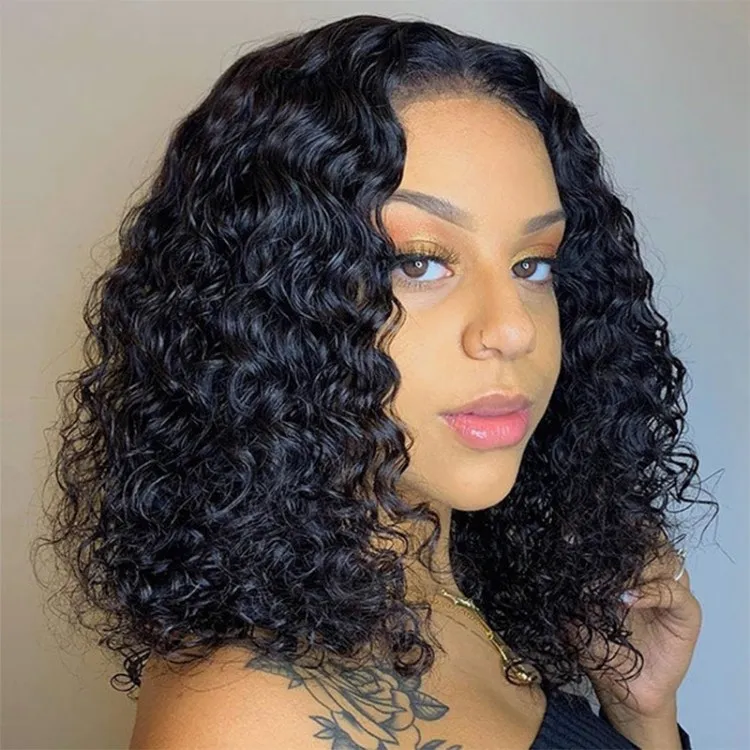
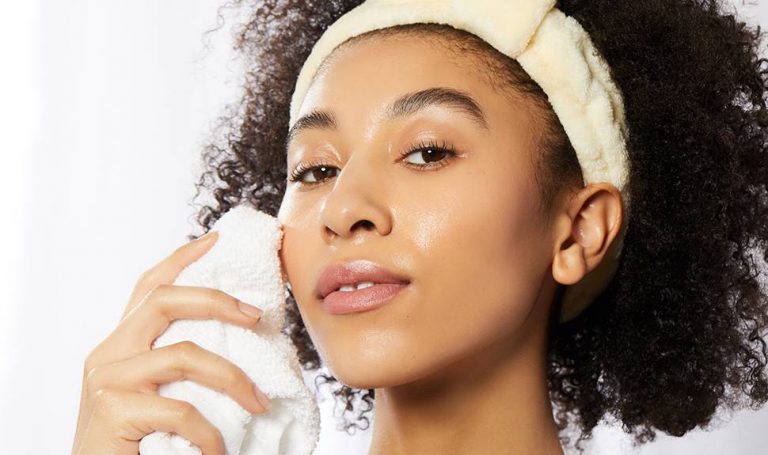
Curly Hair: Curly and tightly coiled hair can be more prone to dryness and breakage. Avoid unnecessary washing and excessive heat, and use moisturizing products designed for your hair type.
Colour Treated Hair: Colour treated hair can benefit from gentle handling, regular conditioning and reduced heat styling.
There isn’t one perfect winter routine for everyone. The best way to protect your hair is to pay attention to how it responds and adjust your products and routine accordingly.
Common Winter Hair Care Mistakes
Be mindful of these habits if you want to protect your hair during the winter:
- Washing your hair too frequently with a harsh shampoo
- Skipping conditioner
- Taking very hot showers
- Using excessive heat when styling
- Brushing or combing aggressively
- Rubbing your hair roughly with a towel
- Wearing tight hairstyles regularly
- Ignoring an itchy or irritated scalp
- Using too much styling product
- Going outside with wet hair when you can easily allow it to dry first
Frequently Asked Questions

How Can I Protect My Hair in Winter?
Use a shampoo and conditioner suited to your hair type, limit excessive heat, handle wet hair gently and protect your hair from friction caused by hats and scarves. If your indoor air is particularly dry, a properly maintained humidifier may also help.
How Do I Prevent Static in My Hair?
Dry indoor air can contribute to static. Try a moisturizing conditioner or leave in conditioner, avoid excessive brushing and consider a smoother lining in your winter hat. Increasing indoor humidity may also help.
Is It Bad to Go Outside With Wet Hair?
Wet hair is more fragile and can be damaged more easily when it is handled roughly. Allowing your hair to dry before heading outside in freezing weather is a sensible precaution. However, going outside with wet hair does not cause a cold or make you sick.
Does a Humidifier Help With Dry Hair?
A humidifier adds moisture to dry indoor air. While it isn’t a treatment for damaged hair, maintaining comfortable indoor humidity may help reduce the effects of very dry air on your skin and scalp.
How Often Should I Wash My Hair in Winter?
There is no single schedule that works for everyone. Your ideal washing frequency depends on your hair type, scalp and lifestyle. If your hair is dry, you may find that washing less frequently helps, while people with oily scalps may need to wash more often.
The Bottom Line
Winter doesn’t have to leave your hair dry, frizzy and difficult to manage. A few simple changes can help protect your hair from the effects of cold weather and dry indoor air.
Choose hair care products that suit your hair type, condition regularly, limit excessive heat and handle wet hair gently. Protect your hair from winter weather and pay attention to your scalp if it becomes dry or irritated.
You don’t need an elaborate routine. The best way to protect your hair is to develop simple habits that keep it comfortable, manageable and healthy throughout the winter.