Facial Fillers vs Botox: What Is the Difference?
6 min read
1013 words
Aging is a natural process that gracefully changes our skin’s texture, volume, and facial movement. Many people explore non-surgical cosmetic treatments to refresh their appearance and feel more confident. Two of the most popular options are facial fillers and Botox®. While both treatments can help create a more youthful appearance, they work in very different ways. Understanding the difference between facial fillers vs Botox is an important first step toward making an informed decision. By learning how each treatment works, you can have a meaningful conversation with a qualified professional about which option, or combination of treatments, may align with your personal goals.
What Are Facial Fillers?

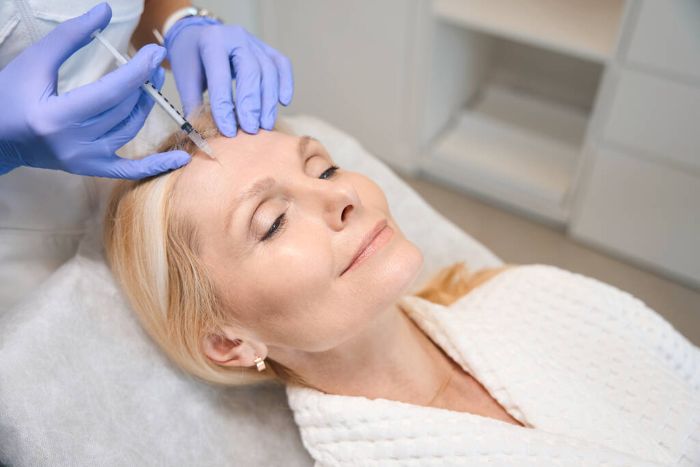
Facial fillers, often called dermal fillers, are injectable treatments designed to restore lost volume, enhance facial contours, and soften deeper lines. They work by replenishing volume that naturally decreases with age, helping create a refreshed and balanced appearance.
Most modern fillers are made from hyaluronic acid, a substance naturally found in the skin that helps retain moisture and maintain volume. When injected beneath the skin, fillers physically add volume, smoothing wrinkles from within while enhancing facial features and maintaining natural movement.
Common uses for facial fillers include:
- Restoring volume to flattened cheeks
- Enhancing lip shape and fullness
- Smoothing deep smile lines (nasolabial folds)
- Improving chin and jawline definition
- Reducing the appearance of hollow or shadowed under-eye areas
For a deeper look at how these treatments work, read our guide: How Facial Fillers Work.
What Is Botox?
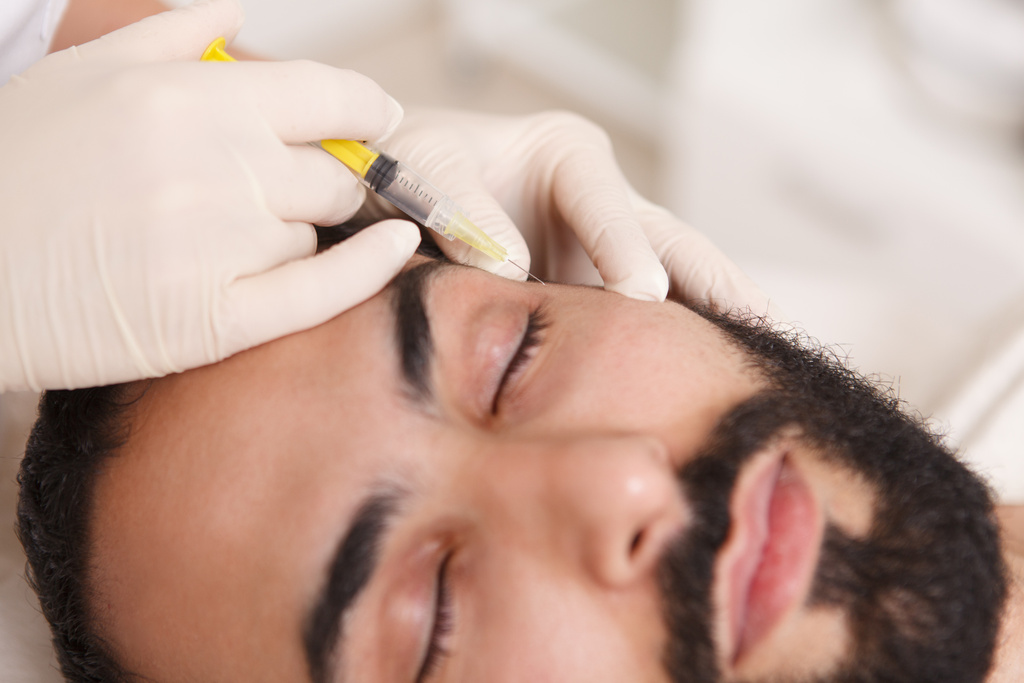
Botox® is a brand name for a neuromodulator made from botulinum toxin. Unlike facial fillers, which restore volume, Botox works by temporarily relaxing specific facial muscles.
Botox reduces the muscle activity responsible for expression-related wrinkles. By softening repeated movements, such as frowning or squinting, it helps smooth the overlying skin without adding volume.
Common uses for Botox include:
- Horizontal forehead lines
- Frown lines between the eyebrows, often called “11 lines”
- Crow’s feet around the eyes
- A subtle eyebrow lift
Botox also has medical applications, including helping manage certain migraines and muscle spasms. Like any cosmetic treatment, it is important to understand the potential benefits, possible side effects, and whether it is suitable for your individual needs.
To learn more about how Botox works, common uses, benefits, and possible side effects, read our detailed guide: Botox: Uses, Benefits & Side Effects.
Facial Fillers vs Botox: Understanding the Key Differences
Although both are popular non-surgical cosmetic treatments, facial fillers and Botox work in completely different ways.
| Facial Fillers | Botox |
|---|---|
| Restores lost volume | Relaxes facial muscles |
| Adds fullness and contour | Reduces movement-related wrinkles |
| Usually contains hyaluronic acid | Uses botulinum toxin |
| Enhances facial structure by adding volume | Softens expression lines by reducing muscle activity |
| Results are often visible immediately | Results usually appear gradually over several days |
How Facial Fillers and Botox Treat Different Types of Wrinkles
The best choice between Botox and facial fillers depends largely on the type of wrinkles or changes you want to address.
Static Wrinkles
Static wrinkles are lines and folds that remain visible even when your face is relaxed. They often develop because of collagen loss, reduced elasticity, and changes in facial volume over time.
Best treated with: Facial fillers, which restore volume beneath the skin and help smooth the surface.
Examples include: Deep smile lines, hollow cheeks, thin lips, and under-eye shadows.
Dynamic Wrinkles
Dynamic wrinkles are caused by repeated facial expressions such as smiling, frowning, and squinting.
Best treated with: Botox, which relaxes targeted muscles and reduces the repeated movements that create these lines.
Examples include: Forehead lines, frown lines, and crow’s feet.
Can You Get Botox and Facial Fillers Together?
Yes. Many people combine Botox and facial fillers because they address different signs of aging. This approach allows a provider to target both wrinkles caused by muscle movement and volume loss caused by aging.
For example, Botox may soften forehead lines and crow’s feet, while fillers restore volume in areas such as the cheeks and lips. Together, they can create a balanced and refreshed appearance.
A personalized treatment plan depends on your individual goals, facial anatomy, and the recommendations of a qualified professional.
Explore more about popular cosmetic options in our article: Common Facial Cosmetic Changes: Exploring Popular Procedures.
Which Treatment Looks More Natural?
The most natural results come from the skill and experience of your provider rather than the product alone. Modern cosmetic treatments focus on subtle enhancements that refresh your appearance while preserving your unique facial character.
Avoiding over-treatment is important. The goal is not to erase every expression but to soften lines, restore balance, and help you look like the best version of yourself.
Learn more about the trend toward natural-looking results in our article: Subtle Enhancements.
How Long Do the Results Last?
The longevity of Botox and facial fillers depends on the treatment area, product used, and individual factors such as metabolism.
Facial Fillers: Results can last several months to over a year depending on the type of filler and where it is injected.
Botox: Results are temporary and commonly last around three to four months. Regular treatments may help maintain a refreshed appearance.
What Should You Consider Before Treatment?
- Choose a qualified and experienced medical provider.
- Discuss your goals and desired results during your consultation.
- Understand possible side effects such as swelling, bruising, or temporary asymmetry.
- Ask about the products being used and why they are recommended.
Are Facial Fillers or Botox Right for You?
There is no single treatment that works for everyone. The right choice depends on several factors, including:
- Your age and the changes you want to address
- Your skin condition and facial structure
- Your aesthetic goals
- Your comfort level with cosmetic treatments
Conclusion: Making an Informed Choice

Understanding facial fillers vs Botox can help you make a more informed decision about your cosmetic goals. While facial fillers restore lost volume and enhance facial contours, Botox relaxes muscles to soften expression lines.
Both treatments can provide natural-looking results when performed by a qualified professional. The most important step is choosing an experienced provider who can create a personalized plan based on your unique features and goals.