
How to Improve Quality of Life for Seniors
6 min read
1186 words
Aging is a natural, beautiful part of life’s journey. It brings a wealth of experience, wisdom, and more time for the people and passions that matter most. However, this stage of life can also present unique challenges, from changes in mobility and health to navigating loneliness or adapting to new routines. Learning how to improve quality of life for seniors involves much more than providing basic care. It is about fostering independence, nurturing meaningful connections, creating safe environments, and ensuring older adults continue to have a sense of purpose. With thoughtful support, seniors can continue to lead vibrant, fulfilling, and active lives.
Whether you are caring for a parent, grandparent, friend, or neighbour, you have the ability to make a meaningful difference in their physical, emotional, and social well-being.
Why Quality of Life Matters for Seniors

Quality of life is about adding life to years, not simply adding years to life. Every older adult deserves to live with dignity, respect, and the freedom to make their own choices.
Aging well involves several important areas of wellness, including:
- Physical health – maintaining strength, mobility, and overall wellness
- Mental wellness – staying mentally active and emotionally balanced
- Social connections – creating a sense of belonging and community
- Safety – living in a secure and accessible environment
- Purpose and enjoyment – participating in meaningful activities and hobbies
By focusing on these areas, we can help seniors not only live longer but enjoy a better quality of life. For more ideas about creating supportive environments, read our guide on How to Make Your Community Better for Senior Citizens.
1. Encourage Regular Physical Activity

One of the most effective ways to improve quality of life for seniors is encouraging regular physical activity that supports strength, balance, and mobility. Staying active can help older adults maintain independence while improving both physical and emotional health.
Regular, gentle exercise can:
- Improve strength, balance, and flexibility
- Help prevent falls
- Support heart health and circulation
- Boost mood and reduce feelings of stress or anxiety
Senior-friendly activities include walking, swimming, chair exercises, yoga, tai chi, and light strength training.
Physical activity should always be adjusted to a person’s abilities and health needs. Seniors should consult a healthcare provider before starting a new exercise program.
2. Support Healthy Eating and Good Nutrition
Nutrition is an important part of healthy aging. Seniors may experience changing nutritional needs due to medications, appetite changes, or health conditions.
Healthy eating habits can include:
- Eating enough protein to help preserve muscle mass
- Including a variety of colourful fruits and vegetables
- Staying properly hydrated
- Choosing calcium-rich foods for bone health
- Limiting excess sugar and highly processed foods
Support can include helping with meal planning, preparing nutritious meals, using community meal programs, or simply sharing meals together to encourage connection.
3. Help Seniors Maintain Social Connections
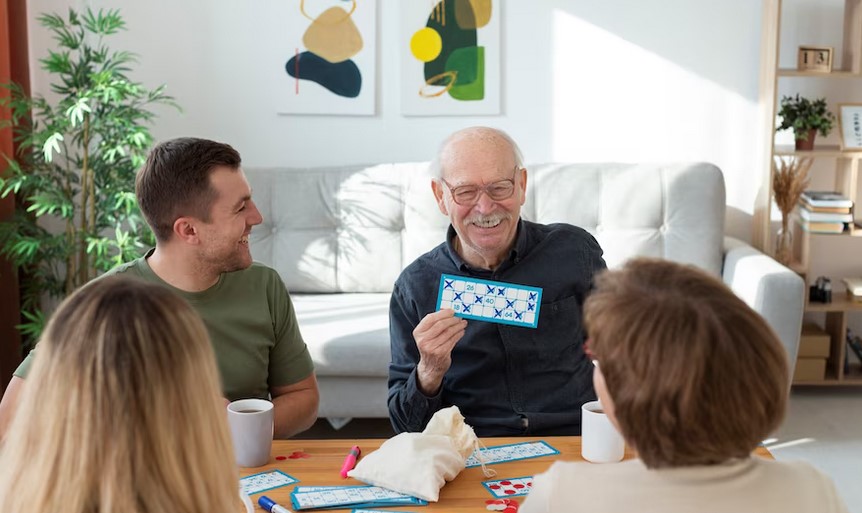
Social connection is essential for emotional health. Loneliness and isolation can have a serious impact on a senior’s overall well-being.
Ways to encourage connection include:
- Regular family visits, phone calls, or video chats
- Participation in senior centres, clubs, and community groups
- Volunteer opportunities
- Classes, workshops, and social activities
Feeling connected helps seniors maintain confidence, purpose, and happiness.
4. Promote Mental and Emotional Wellness
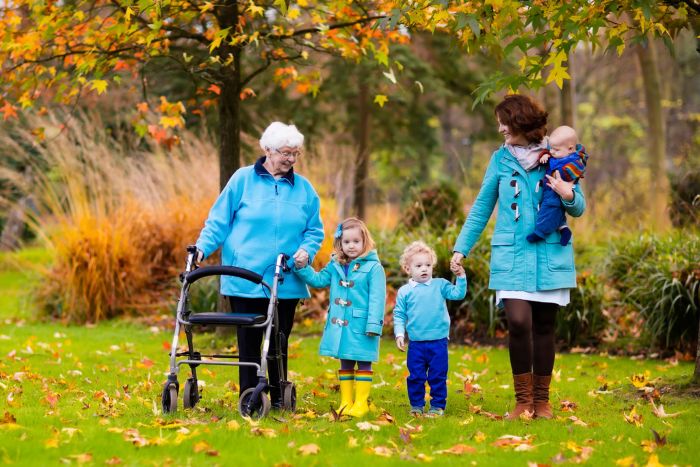
Mental health is a vital part of aging well. Supporting emotional wellness helps seniors feel valued, confident, and engaged with the world around them.
Encourage seniors to:
- Manage stress through relaxation techniques or counselling
- Stay mentally active with new challenges
- Continue hobbies and interests
- Learn new skills
Activities such as reading, puzzles, art, music, gardening, and learning how to use technology can help keep the mind stimulated. It is also important to recognize signs of depression, anxiety, or changes in mood and encourage professional support when needed.
5. Help Seniors Maintain Independence

Many seniors value their independence and want to continue making decisions about their daily lives. The goal is to provide support without taking away their ability to make choices.
You can support independence by:
- Including seniors in decisions about their care and routines
- Offering assistance only when needed
- Supporting hobbies, interests, and social activities
- Helping with transportation or home modifications
The goal is support, not taking away independence.
6. Create a Safe Living Environment
A safe home environment can help seniors remain independent and reduce the risk of injuries.
Fall prevention tips include:
- Removing clutter and trip hazards
- Improving lighting
- Adding grab bars in bathrooms
- Securing rugs and flooring
- Installing handrails where needed
Home accessibility improvements may include:
- Walk-in showers
- Comfortable and supportive furniture
- Easy-to-reach storage
- Mobility-friendly layouts
7. Encourage Regular Healthcare Visits
Preventative healthcare helps seniors manage health concerns and maintain independence.
Encourage regular:
- Medical checkups
- Medication reviews
- Vision and hearing tests
- Dental appointments
- Vaccinations
Keeping health information organized can make communication with healthcare providers easier and ensure seniors receive appropriate care.
8. Support Lifelong Learning and Hobbies
Learning and creativity have no age limit. Staying involved in meaningful activities can improve confidence, mental stimulation, and social connection.
Ideas include:
- Computer classes
- Art workshops
- Gardening
- Photography
- Travel
- Writing
- Community courses
9. Make Transportation More Accessible
Reliable transportation is essential for independence. It allows seniors to attend medical appointments, shop for necessities, visit friends, and participate in community activities.
Transportation options may include:
- Public transportation with senior discounts
- Senior transportation services
- Volunteer driver programs
- Support from family and friends
10. Show Respect, Patience, and Appreciation

Sometimes the simplest actions have the greatest impact.
- Listen to their stories and experiences
- Ask for their opinions and advice
- Respect their choices and routines
- Include them in family activities
- Recognize their contributions and wisdom
Seniors are not defined by their age. They are individuals with experiences, interests, and goals. Treating them with respect helps them feel valued and appreciated.
Supporting Seniors as a Community
Improving senior quality of life is a shared responsibility. Families, neighbours, organizations, and communities all play an important role in helping older adults thrive.
Communities can support seniors by:
- Creating accessible public spaces and housing
- Offering senior-focused programs and activities
- Providing helpful resources and information
- Encouraging volunteer and intergenerational programs
- Supporting family caregivers with resources and respite care
Together, we can create environments where older adults feel valued, included, and empowered.
Frequently Asked Questions About Improving Quality of Life for Seniors

What are the most important ways to improve quality of life for seniors?
The most important factors include maintaining independence, staying socially connected, supporting good health, creating a safe living environment, and encouraging meaningful activities.
How can families support aging loved ones?
Families can help by providing companionship, respecting independence, encouraging healthy habits, assisting when needed, and including seniors in everyday decisions.
How can communities become more senior-friendly?
Communities can support healthy aging by improving accessibility, offering social programs, creating transportation options, and providing resources that help seniors stay connected.
Conclusion: Helping Seniors Thrive at Every Stage of Life
Knowing how to improve quality of life for seniors allows us to create a future where older adults feel respected, supported, and valued. Aging is not simply about growing older; it is about continuing to experience connection, purpose, and joy.
Through compassion, accessibility, and meaningful support, we can help seniors thrive and ensure they continue to make valuable contributions to their families and communities.