

3 min read
563 words
A tenant reports damp in a bedroom, an older resident needs a repair explained clearly, and the phones are already busy with people chasing updates. Staff may deal with contractor visits, neighbour disputes, rent pressure and complaints, so the work asks for more than patience. Strong housing officer skills mean housing workers understand buildings, records, resident rights and how delays can grow into serious problems.
Property knowledge helps residents get clearer answers
Housing staff do not all need to become surveyors, but many roles benefit from a grasp of property basics. If someone can recognise the difference between condensation, penetrating damp and a possible leak, they can ask sharper questions and spot when a case needs technical input.
Vague replies such as “we’ll send someone out” don’t build confidence. A housing officer who can explain what will be checked, why photographs help, and what happens next can reduce frustration. For teams growing this confidence, housing team CPD and qualifications can sit alongside customer care, tenancy management and repairs training.
Communication needs to hold up under pressure
Good communication in housing is not just about being friendly. It means listening carefully, recording facts accurately and avoiding promises the repairs team or contractor cannot keep. A rushed note can cause confusion if it leaves out access issues or vulnerability concerns.
Expectations around fair, timely complaint responses have become sharper, so staff need to understand how emails and call notes can become part of a complaint file. The best communicators are calm, clear and specific, especially when the answer is not what the resident hoped for.
Safety, safeguarding and digital accuracy all count
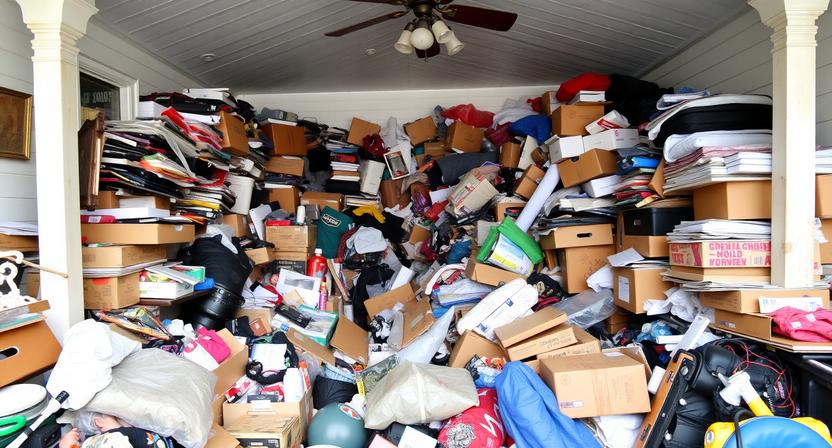
Community roles often bring staff into contact with people under strain. Rent arrears, disrepair, domestic abuse concerns, hoarding, isolation and mental health worries can all appear during routine contact. A neighbourhood officer visiting about rubbish in a shared area may notice unopened letters, no heating and a resident who seems confused. Knowing who to alert, and how to record the concern, is a career skill.
Digital confidence matters for the same reason. Most providers use portals, mobile inspection tools, asset databases and shared case records. Wrong property codes, missing photographs or unclear diary entries can slow down repairs and weaken accountability. Good housing team upskilling training should include clean notes, secure data handling, consistent categories and the confidence to question a record that doesn’t look right.
Housing officer skills: Seeing the wider housing picture
People who progress in this sector tend to see beyond their own inbox. They understand why void times, stock condition, allocations, anti-social behaviour, complaints and rent collection are connected. The work behind affordable homes and community support is broad, and staff who understand that bigger picture can make better decisions for residents and their organisation.
That doesn’t mean everyone has to aim for management. A skilled repairs adviser, allocations officer or community warden can have a real effect on how residents experience their landlord. Career growth may mean moving sideways, gaining a qualification or becoming the person others trust with complex cases.
The most valuable housing officer skills are visible in small moments: a clear explanation, a well-written case note, a damp report handled early, a safeguarding concern passed on properly. Choose one area where better knowledge would change your decisions, then build from there. Stronger skills improve the service people receive at home.
 Victoria Jain
  Lisa
Lisa  Sierra Powell