How to Avoid Winter Falls and Slips on Ice and Snow
11 min read
2004 words
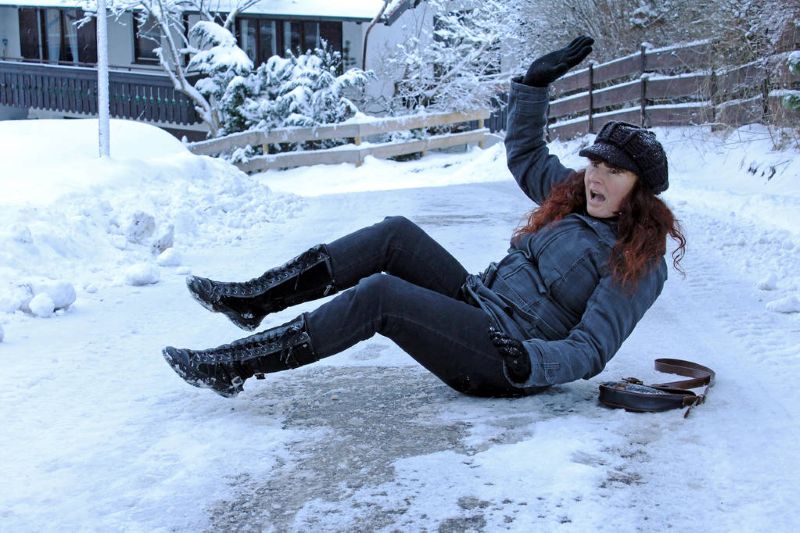
Winter can be beautiful, especially after a fresh snowfall, but anyone who has stepped onto an icy driveway or sidewalk knows how quickly that beauty can turn into a safety hazard. I learned that lesson the hard way in 2020, in the midst of COVID-19, when I took a bad fall on the ice in my driveway while taking my young daughter to the school bus. What should have been an ordinary morning ended with a concussion and a reminder of just how quickly an icy surface can change your day. I never expected that something as routine as walking down my driveway would result in an injury, but that experience made me much more aware of the dangers winter weather can create around our homes.
Living in Ontario, I know how unpredictable winter conditions can be. A driveway or walkway that looks perfectly safe one day can become slippery after freezing rain, melting snow or a sudden drop in temperature. Black ice is particularly dangerous because it can be difficult to see, especially in shaded areas or early in the morning. Although we cannot control the weather, there are practical steps we can take to reduce the risk of slipping and falling. From maintaining outdoor walkways to choosing suitable footwear and knowing what to do after a fall, preparation can make winter outings safer.
Keep Your Driveway, Walkways and Steps Clear
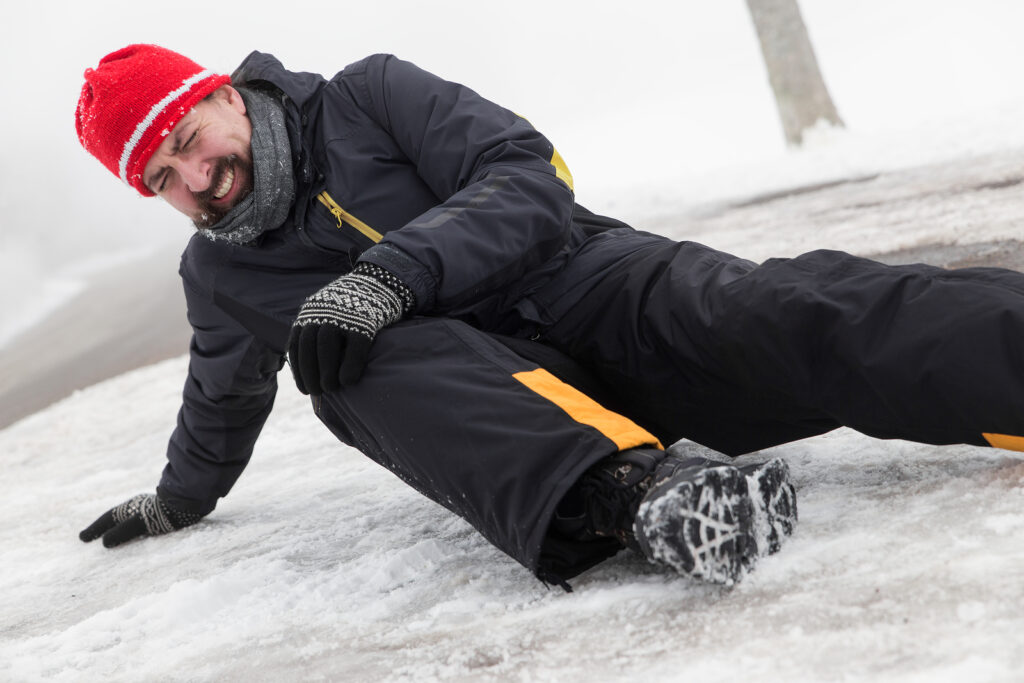
One of the most important parts of winter slip and fall prevention is keeping the areas around your home clear of snow and ice. Snow should be removed from driveways, sidewalks, steps and entrances before it becomes packed down and difficult to manage. Walking over fresh snow can compress it, making the surface slippery, while melting snow can refreeze overnight and leave behind patches of ice. Pay particular attention to shaded areas, steps and places where water collects, as these spots can remain icy even when the rest of your driveway looks clear.
After shovelling, consider applying an appropriate ice-melting product. Different products work at different temperatures, so read the label and follow the manufacturer’s instructions. Sand or grit can also provide extra traction when an ice melter is not effective, although these materials do not melt ice. The Eastern Ontario Health Unit’s Safety Outdoors guide provides practical advice about winter walking, including treating walkways with salt, sand or other suitable materials and choosing footwear with good traction.
Good outdoor lighting is equally important. It can be difficult to spot ice when leaving home early in the morning or returning after dark. Make sure entrances, steps and pathways are well lit, and check for hazards after freezing rain or changing temperatures. If you cannot safely clear your own driveway or walkway, consider arranging help from a family member, neighbour or snow removal service. Keeping these areas maintained protects not only your household but also visitors and delivery drivers.
Choose Winter Footwear That Provides Good Traction
The footwear you choose can make a considerable difference when walking on snow and ice. Boots with smooth or worn-down soles may look attractive, but they can provide very little grip on slippery surfaces. Look for winter footwear with a good tread pattern and soles designed to provide traction in cold weather. A comfortable, secure fit is important too, because boots that are too loose can make it harder to maintain your balance. Check your footwear regularly, as worn-down tread may no longer provide the grip you need.
Even good winter boots cannot guarantee that you will not slip on a particularly icy surface. Removable ice cleats or grips may provide additional traction, especially if you regularly walk outdoors. These devices fit over the soles of many types of footwear and have metal spikes or other gripping features designed for icy conditions. Make sure they fit securely and remove them before walking on smooth indoor floors, where the metal grips can become slippery.
If you use a cane or another walking aid, ask a healthcare professional or mobility equipment provider about suitable winter attachments. Some canes can be fitted with retractable ice picks or special tips designed for outdoor use. If you use a walker, ask whether accessories are available for your particular model. It is also important to check that your equipment is in good condition before winter arrives, since worn rubber tips, damaged wheels or loose parts can affect stability.
Change the Way You Walk on Icy Surfaces
Walking on ice requires a little more care than walking on dry pavement. Taking long strides, rushing or making sudden turns can make it harder to recover if your foot begins to slide. Instead, slow down and take short, careful steps, keeping your feet relatively flat and your centre of balance over them. Turning your toes slightly outward and using a cautious, shuffling motion, sometimes called the penguin walk, may help you maintain your balance. Keep your head up rather than leaning forward, and pay attention to the surface ahead.
Ice is not always easy to recognize. A walkway may look wet when it is actually frozen, and thin patches of black ice can blend into the pavement. Be especially cautious near driveways, curbs, steps and shaded areas. Avoid shortcuts across snow-covered lawns because snow can hide holes, uneven ground and other obstacles. Stick to maintained walkways whenever possible, and give yourself enough time to reach your destination without rushing.
According to Alberta Health Services’ Winter Walking Tips, walking slowly, taking small steps, pointing your toes slightly outward and keeping your head up can help improve stability on icy paths. The guidance also recommends keeping your hands out of your pockets and avoiding distractions while walking.
Try to keep your hands free when walking outdoors. Carrying several grocery bags or heavy parcels can affect your balance and prevent you from using your arms to steady yourself. Make more than one trip if necessary, and put your phone away while walking. If you are accompanying children, remind them that running on icy sidewalks and parking lots can be dangerous, even when they are excited to get somewhere.
Use Handrails and Be Careful on Steps
Outdoor steps can be particularly hazardous in winter because snow and ice may collect on the treads. Before using them, check that they have been cleared and treated appropriately, and use the handrail whenever one is available. Even if you normally manage stairs without assistance, holding the railing provides extra support if your foot slips. Take one step at a time and make sure your foot is securely placed before shifting your weight.
Do not assume a step is safe simply because the middle appears clear. Ice can remain along the edges or near the railing, and loose mats or objects may become hidden under snow. Keep steps in good repair and make sure the entrance is adequately lit. These small maintenance tasks can make getting in and out of your home safer throughout the winter.
Be Careful Getting In and Out of Your Vehicle
Parking lots and driveways can be just as slippery as sidewalks, particularly when snow has been driven over and compressed or when water has frozen around parked vehicles. Before getting out of your vehicle, look at the ground and identify a place where you can put your feet securely. Avoid stepping directly onto a patch of ice if there is a safer area nearby.
Move slowly and use a stable part of the vehicle for support if needed. Lower one foot at a time and make sure it is firmly on the ground before shifting your weight. Avoid twisting your body or trying to step out quickly while carrying bags. Parking lots also require extra attention because vehicles can hide icy patches and snowbanks can make it difficult to see the edges of walkways. Use designated pedestrian routes whenever possible.
What Should You Do If You Fall on Ice?
Even when you take precautions, accidents can still happen. If you fall, avoid rushing to your feet. Take a moment to assess how you feel and whether you may have injured your head, neck, back, arms or legs. Pain is not always obvious immediately, especially when you are startled by the fall. If you cannot get up safely or suspect a serious injury, ask someone for help rather than trying to force yourself to stand. The Eastern Ontario Health Unit’s advice on what to do if you fall explains why it is important to check for injuries, take your time and get help if you cannot safely get up.
A fall involving a blow to the head deserves particular attention. A concussion is a type of brain injury that can occur even when a person does not lose consciousness. Symptoms may appear immediately or develop over the hours or days following an injury. Headache, dizziness, nausea, confusion, memory difficulties, sensitivity to light or noise and problems with balance are among the possible symptoms. The Government of Canada’s concussion information explains common symptoms, treatment and warning signs that require urgent medical attention.
My own experience in 2020 made me realize that a fall can have consequences beyond a bruise or sore muscle. It is easy to feel embarrassed and want to get up quickly, but it is important not to dismiss an injury or ignore symptoms after hitting your head. If you experience concerning symptoms or are unsure whether you have been injured, seek appropriate medical advice.
Consider Whether Going Outside Is Necessary
Sometimes the safest way to prevent a winter fall is to avoid going out when conditions are particularly dangerous. Freezing rain, heavy snowfall and sudden temperature changes can make even familiar routes hazardous. Before heading out, check the local weather forecast and consider whether your trip can wait until roads, sidewalks and parking areas have been cleared or treated. This is especially important if you have mobility concerns or have previously experienced a serious fall.
If you must go out, choose the safest route available and allow extra time. Avoid shortcuts across snow-covered lawns or unfamiliar ground, and ask someone for assistance if you are uncomfortable with the conditions. There is nothing wrong with changing your plans when the weather makes getting around unsafe. A postponed errand is a small inconvenience compared with the possible consequences of a serious fall.
Make Winter Safety Part of Your Routine
Preventing slips and falls does not require complicated equipment or major changes to your daily life. It comes down to preparing your property, wearing appropriate footwear and being mindful of changing winter conditions. Regularly check your entrances and walkways, make sure outdoor lighting is working and replace footwear or mobility equipment parts when they become worn. These habits can help make everyday winter activities safer.
It is also worth thinking about the people who visit your home. Family members, neighbours and delivery drivers may not know where ice tends to form on your property. Keeping entrances and walkways maintained can help protect everyone who comes to your door. If you have older family members or anyone with mobility challenges, consider whether they may need additional assistance during periods of snow and freezing rain.
My fall in 2020 changed the way I think about winter safety. Before it happened, taking my daughter to the school bus was simply part of the morning routine. I never expected that a few steps across my own driveway could result in a concussion. Since then, I have been more conscious of how quickly ice can form and how important it is not to take familiar walkways for granted. We cannot control the weather, but we can take steps to reduce the risks it creates.
Winter should be a time when we can enjoy the season without worrying unnecessarily about every step we take. By preparing your property, choosing suitable footwear, walking carefully and recognizing when conditions are too dangerous, you can reduce the risk of a winter fall. A little caution may seem like a small thing, but as I learned firsthand, it can make a very big difference.