Navigating Alternative Approaches to Pain Relief
6 min read
1119 words
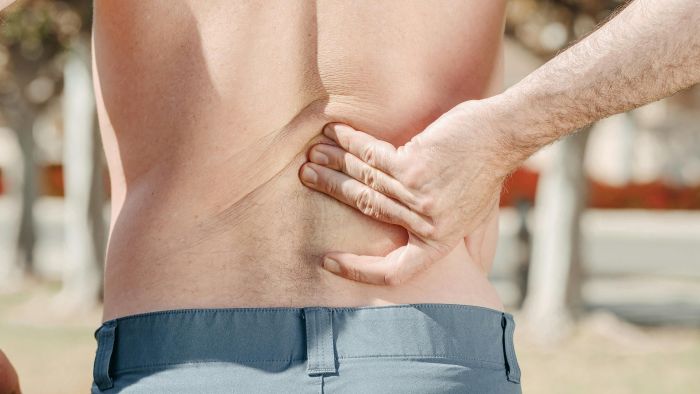
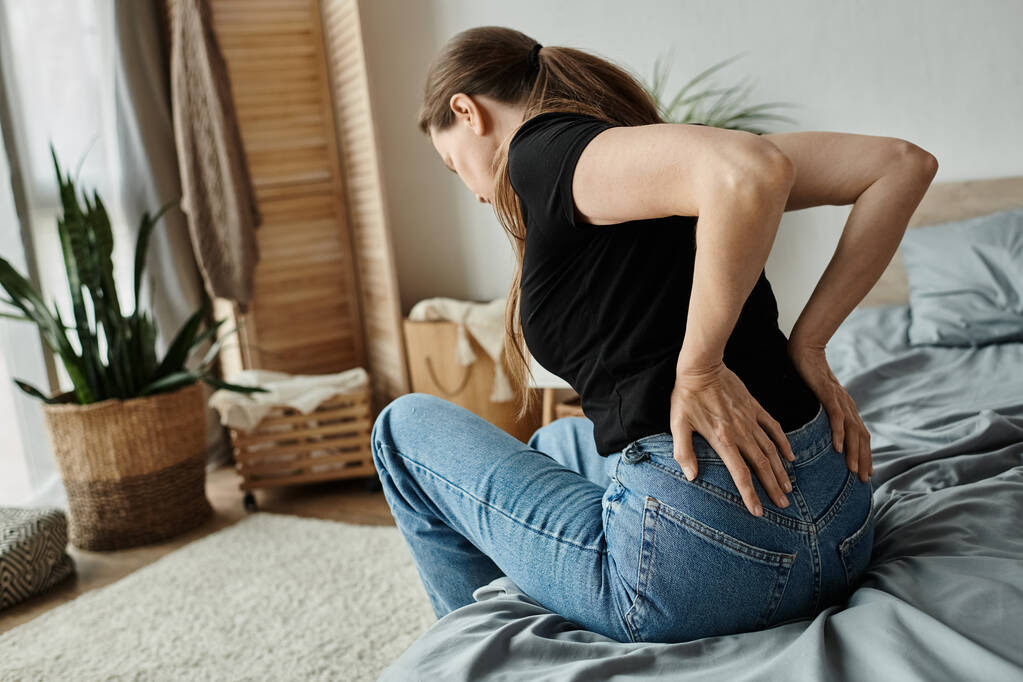
Living with persistent pain can affect nearly every aspect of daily life. Chronic pain may interfere with sleep, mobility, work, relationships, and the ability to enjoy everyday activities. While conventional medical treatments such as medication, physical therapy, and surgery may be recommended for some conditions, many people also explore alternative medical therapies as part of a broader approach to pain management.
Alternative therapies focus on supporting the body’s natural healing processes while addressing factors that may contribute to discomfort, including muscle tension, stress, inflammation, and reduced mobility. These approaches often emphasize the connection between physical health, mental well-being, and lifestyle habits.
This article explores several alternative therapies that are commonly used to support pain relief, including acupuncture, chiropractic care, massage therapy, herbal medicine, and mind body practices. These therapies may be used alone or alongside traditional medical care, depending on an individual’s needs and health goals.
Medical Disclaimer: Alternative therapies should not replace medical advice, diagnosis, or treatment from a qualified healthcare professional. Always speak with your healthcare provider before starting a new therapy, especially if you have an existing medical condition or take medications.
Understanding Holistic Pain Management

Holistic pain management looks at the whole person rather than focusing only on the location of pain. Chronic discomfort can be influenced by many factors, including physical injuries, inflammation, stress levels, sleep quality, emotional health, and daily habits.
A holistic approach may combine different strategies to help improve comfort, mobility, relaxation, and overall quality of life. The goal is often to support the body while helping individuals develop long term strategies for managing pain.
Common alternative approaches include:
- Acupuncture to stimulate specific points in the body
- Chiropractic care to support spinal and joint health
- Massage therapy to reduce muscle tension and promote relaxation
- Herbal medicine to support natural wellness
- Mind body practices to improve stress management and physical function
Acupuncture for Pain Relief
Acupuncture is an ancient therapy that originated in traditional Chinese medicine. It involves inserting very thin needles into specific points on the body. According to traditional practices, acupuncture helps support the flow of energy throughout the body. Modern research suggests that acupuncture may influence the nervous system and encourage the release of natural chemicals involved in pain regulation.
Some people use acupuncture to help manage conditions such as:
- Lower back pain
- Neck pain
- Migraines and headaches
- Osteoarthritis discomfort
- Muscle tension
- Chronic pain conditions
Acupuncture may help some individuals by encouraging relaxation, reducing muscle tension, and supporting the body’s natural pain response. Results can vary depending on the person, the condition being treated, and the frequency of treatments.
Chiropractic Care for Musculoskeletal Pain
Chiropractic care focuses on the relationship between the spine, nervous system, joints, and overall movement. Chiropractors use hands on techniques, including spinal adjustments and other therapies, to help improve joint mobility and address musculoskeletal concerns.
Many people seek chiropractic care for:
- Back pain
- Neck pain
- Joint stiffness
- Sciatica symptoms
- Headaches related to muscle tension
By improving movement patterns and addressing areas of restricted mobility, chiropractic treatments may help some individuals experience improved comfort and function. A qualified chiropractor can assess whether this approach is appropriate based on an individual’s health history.
Massage Therapy for Pain and Muscle Tension
Massage therapy uses hands on techniques to manipulate muscles, connective tissues, and soft tissues throughout the body. It is often used to reduce muscle tension, encourage relaxation, and support circulation.
Different massage techniques may be used depending on a person’s needs, including:
- Swedish massage: Uses gentle movements to promote relaxation and reduce tension.
- Deep tissue massage: Focuses on deeper layers of muscle and connective tissue.
- Myofascial release: Targets areas of tightness within connective tissue.
- Trigger point therapy: Addresses specific areas of muscle tension.
Massage therapy may help individuals manage discomfort associated with muscle tension, stress, physical activity, or certain chronic pain conditions. Many people also find massage beneficial for relaxation and improved overall well being.
Herbal Medicine and Natural Pain Support
Herbal medicine uses plants and plant based products to support health and wellness. Some herbs contain compounds that have been studied for their potential anti inflammatory or antioxidant properties.
Common examples include:
- Turmeric: Often studied for its active compound curcumin and potential anti inflammatory effects.
- Ginger: Traditionally used to support digestion and general wellness, with some research exploring its role in inflammation.
- Boswellia: An herbal extract sometimes used in joint health supplements.
Although natural products may be helpful for some people, they are not automatically risk free. Herbal supplements can interact with medications or may not be appropriate for certain health conditions. Always consult a healthcare professional before adding herbal products to your routine.
Mind Body Techniques for Managing Pain

The relationship between the mind and body plays an important role in how people experience pain. Stress, anxiety, and poor sleep can sometimes increase pain sensitivity, while relaxation techniques may help support coping and overall wellness.
Mind body practices that may support pain management include:
Meditation
Meditation encourages mindfulness and relaxation. Regular practice may help individuals develop better stress management skills and improve emotional well being.
Yoga
Yoga combines gentle movement, stretching, breathing exercises, and mindfulness. It may help improve flexibility, strength, balance, and relaxation.
Tai Chi
Tai chi uses slow, controlled movements combined with breathing and focus. It may help improve balance, mobility, and body awareness, especially for individuals looking for gentle exercise options.
Benefits of Combining Alternative Therapies With Healthy Lifestyle Habits
Alternative therapies are often most effective when combined with healthy daily habits. Supporting overall wellness can play an important role in managing chronic pain.
Helpful lifestyle strategies may include:
- Maintaining regular physical activity suited to your abilities
- Getting enough quality sleep
- Eating a balanced, nutrient rich diet
- Managing stress through relaxation techniques
- Maintaining healthy posture and movement habits
- Working with healthcare providers to create a personalized plan
Choosing the Right Alternative Therapy
The best approach depends on the type of pain, personal preferences, health history, and treatment goals. Before beginning any alternative therapy, consider:
- Speaking with your healthcare provider
- Choosing qualified and licensed practitioners
- Understanding potential benefits and risks
- Tracking symptoms and progress over time
Open communication between all healthcare providers can help ensure that treatments work together safely and effectively.
Conclusion: Exploring Options for Better Pain Management

Alternative medical therapies offer additional options for individuals seeking a more comprehensive approach to managing pain. Treatments such as acupuncture, chiropractic care, massage therapy, herbal medicine, and mind body practices may support comfort, relaxation, mobility, and overall wellness.
Everyone experiences pain differently, and there is no single solution that works for everyone. By combining evidence informed therapies, healthy lifestyle habits, and guidance from qualified healthcare professionals, individuals can explore approaches that support their unique health needs and improve their quality of life.