Wedding Planning Guide: 9 Steps to Organizing Your Big Day
14 min read
2647 words
Planning a wedding is an exciting time, but bringing all the details together can feel overwhelming when you are unsure where to begin. From setting a budget and choosing a venue to finding the right vendors and organizing your reception, there are many decisions to make before you say, “I do.”
The good news is that wedding planning becomes more manageable when you break it into smaller steps. By establishing your priorities, keeping track of important dates, and making decisions together, you can create a celebration that reflects your relationship and welcomes your guests in a meaningful way.
Whether you are dreaming of an intimate gathering with close family or a larger celebration with friends and relatives, this wedding planning guide will help you understand the main steps involved in organizing your special day.
1. Establish a Realistic Wedding Budget
Before you start visiting venues or shopping for wedding attire, take time to establish a budget. Knowing how much you can comfortably spend will help guide your decisions and prevent you from committing to arrangements that stretch your finances too far.
Begin by discussing your priorities as a couple. You might want to invest more in photography, choose a particular venue, or provide a memorable meal for your guests. Understanding what matters most will help you decide where to allocate your money.
Create a list of anticipated expenses, including the venue, catering, wedding attire, photography, flowers, decorations, entertainment, invitations, transportation, and accommodation. Remember to include costs that can easily be overlooked, such as alterations, marriage licence fees, gratuities where applicable, and additional rental charges.
If family members are contributing financially, discuss the arrangements early. Make sure everyone understands the budget and whether any expectations are attached to those contributions.
It is also wise to set aside a contingency fund for unexpected expenses. Additional rentals, changes to guest numbers, or last-minute arrangements can affect the final cost.
Your budget does not need to cover every wedding trend or elaborate detail. A meaningful celebration can be created at many different price points. The goal is to make informed choices that suit your finances and reflect the kind of wedding you want.
2. Create a Wedding Planning Timeline

Once you have established your budget, create a timeline to help you organize the decisions and arrangements leading up to your wedding.
Start by choosing your preferred wedding date. If you have flexibility, consider a few possible dates before approaching venues and vendors. Availability, family commitments, and the type of celebration you have in mind may influence your final choice.
Next, work backward from your wedding day and identify important deadlines. Booking your venue, arranging essential vendors, selecting your attire, sending invitations, and confirming catering numbers are all tasks that require advance planning.
Some arrangements need to be made much earlier than others. Popular venues and photographers, for example, may receive bookings well in advance, while other decisions can wait until closer to the date.
A calendar, spreadsheet, or wedding planning notebook can help you keep everything organized. Record appointments, payment deadlines, vendor contact information, and tasks that still need attention. If you are planning with your partner, use a shared system so you can both see what has been completed.
Try to avoid leaving too many important decisions until the final few weeks. Allowing enough time for each stage can make the process easier to manage and give you room to adjust if plans change.
If you have a shorter engagement, focus on the essentials first. You may need to be flexible about your preferred date, venue, or vendors, but a clear timeline will still help you stay on track.
3. Choose the Right Wedding Venue
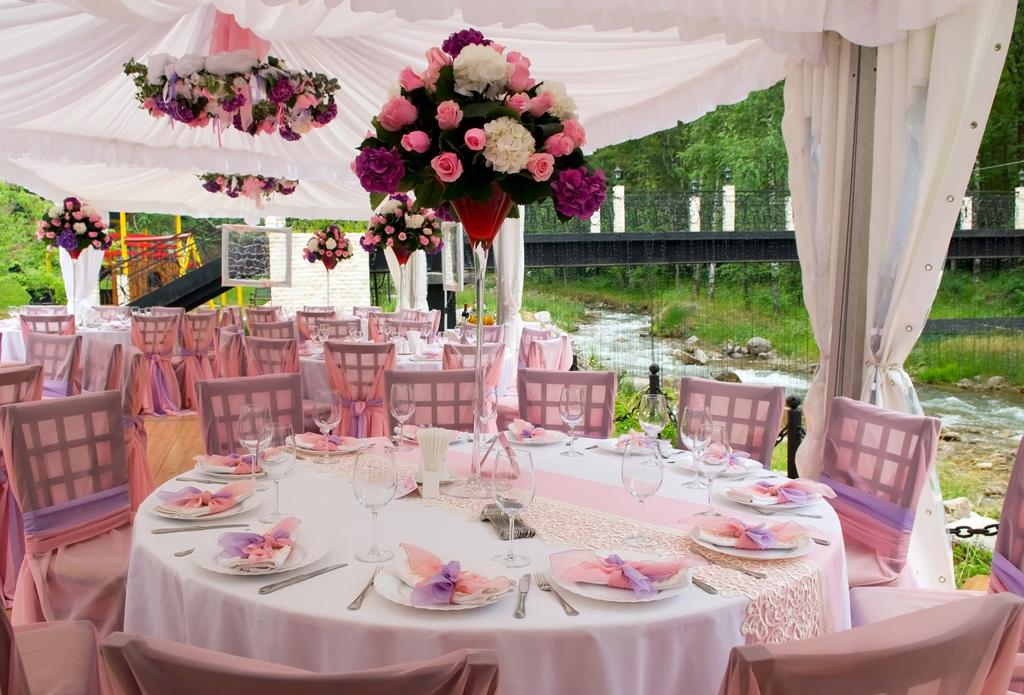
Your venue plays an important role in shaping the atmosphere of your wedding. It also influences your guest capacity, catering arrangements, decorations, and many other decisions.
Before beginning your search, consider the style of celebration you want. You might picture an elegant hotel reception, a historic property, a rustic barn, a garden ceremony, or a small gathering in a favourite restaurant. Think about what suits your personalities and the experience you want to create for your guests.
Your budget and guest list will help narrow down the options. A beautiful venue may not be the right choice if it cannot comfortably accommodate your guests or requires expensive additional rentals.
When visiting potential venues, ask what is included in the rental fee. Some locations provide tables, chairs, linens, and catering services, while others require you to arrange these separately. Check whether there are additional charges for setup, cleanup, extended hours, or outside suppliers.
Practical considerations are equally important. Ask about parking, washroom facilities, accessibility, accommodation nearby, and restrictions on music or decorations. If you are considering an outdoor ceremony, find out what alternative arrangements are available if the weather does not cooperate.
It is also helpful to visit the venue in person before making a final decision. Photographs can give you an idea of the space, but an in-person visit allows you to assess the layout and imagine how the ceremony and reception will work.
Once you have found a venue that suits your budget, guest list, and vision, review the contract carefully before paying a deposit.
4. Book Reliable Wedding Vendors
Wedding vendors help turn your ideas into a celebration. Depending on your plans, you may need a photographer, videographer, caterer, florist, officiant, DJ, live band, decorator, or transportation provider.
Start by identifying the services that are most important to you. Research potential vendors, review their portfolios, and read customer feedback. Recommendations from friends and family can also be helpful, but take time to check that a vendor’s services and style suit your needs.
When contacting vendors, ask about availability, pricing, and what their packages include. A lower starting price may not cover everything you require, so make sure you understand any additional charges before making a decision.
For example, a photography package may specify a limited number of hours, while entertainment services may have separate fees for travel, setup, or additional time. Understanding the details in advance can help you compare options fairly.
Before signing a contract, check the payment schedule, cancellation terms, and arrangements for unexpected circumstances. Keep copies of contracts, invoices, and important correspondence in one place.
Communication is also essential. Explain your expectations clearly and ask questions whenever something is unclear. Your photographer may need a list of important family photographs, while your caterer will need accurate guest numbers and information about dietary requirements.
You do not necessarily need to hire the most expensive vendors to have a wonderful wedding. Look for professionals who communicate well, provide clear agreements, and offer services that fit your priorities and budget.
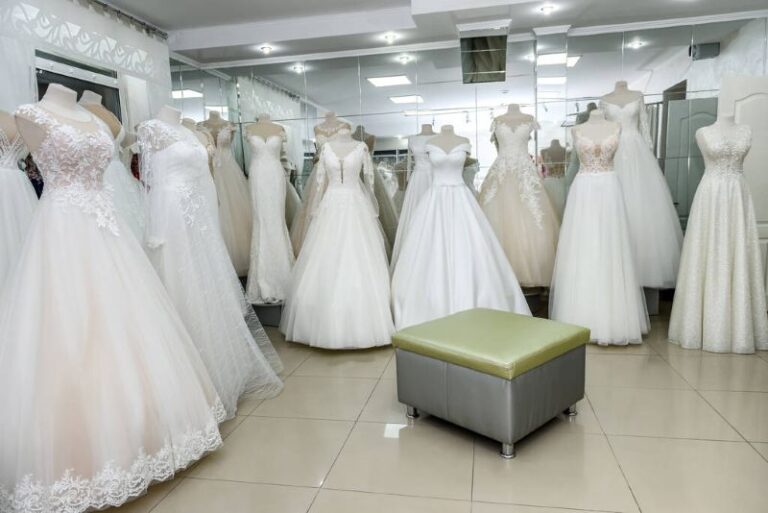
5. Find Wedding Attire That Suits You
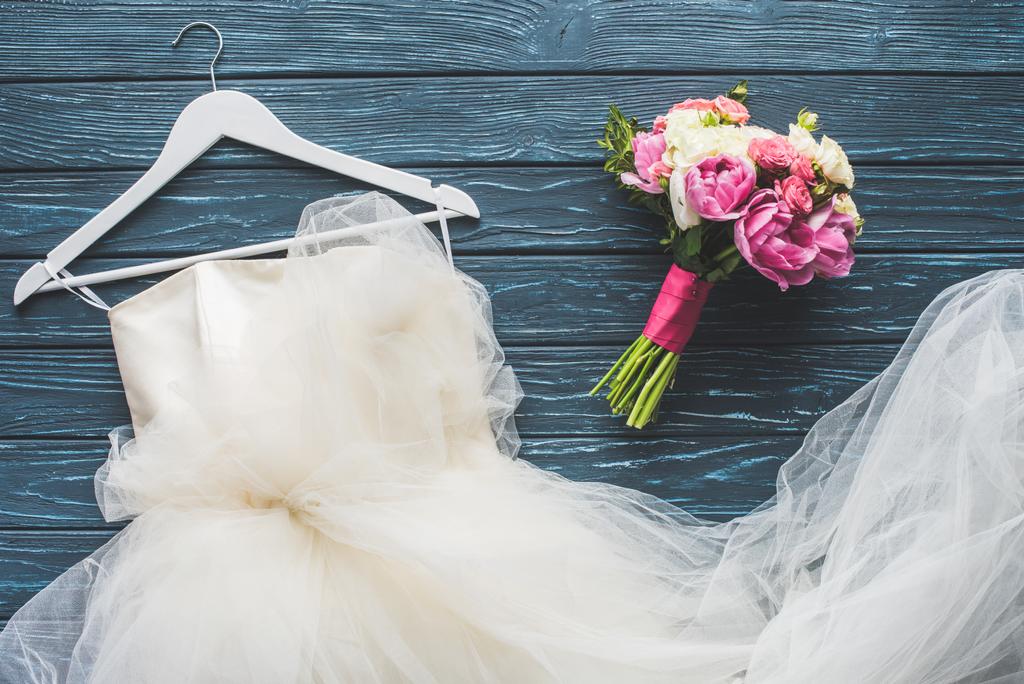
Choosing wedding attire is often one of the most memorable parts of preparing for your celebration. Whether you prefer a traditional wedding dress, a tailored suit, or something less formal, give yourself enough time to explore different styles.
If you are considering a made-to-order outfit, begin shopping early. Some garments require several fittings and alterations, and appointment availability can vary depending on the season.
Visit bridal boutiques and formalwear shops, explore reputable online retailers, and consider the style of your wedding when making your choice. The attire that suits a formal ballroom celebration may differ from what you would choose for a relaxed gathering.
Comfort deserves attention as well as appearance. You may spend hours standing, sitting, greeting guests, and dancing, so choose clothing that allows you to move comfortably. Shoes that fit properly can make a considerable difference over the course of the day.
Remember to consider accessories such as jewellery, shoes, veils, ties, and other finishing touches. You may also want to plan outfits for members of the wedding party, depending on the type of celebration you are organizing.
Before the wedding, make sure everything fits properly and that any necessary alterations have been completed. Keep your attire and accessories together so they are easy to find when you need them.
Most importantly, choose clothing that makes you feel confident and reflects your personality. You do not have to follow every trend to look and feel wonderful on your wedding day.
6. Plan a Meaningful Ceremony and Reception
Your ceremony is the heart of your wedding day, while the reception gives you an opportunity to celebrate with family and friends. Planning both with care can help create an experience that feels personal and welcoming.
Begin by discussing the ceremony with your officiant. Depending on your preferences and the type of ceremony you are having, you may be able to include personal vows, meaningful readings, special music, or traditions that reflect your relationship.
Think about what you want the ceremony to communicate. You might choose a reading that has special significance, include a family tradition, or select music that reminds you of an important moment in your relationship.
For the reception, consider the atmosphere you want to create. Some couples prefer a formal dinner with assigned seating, while others favour a more relaxed celebration with casual dining and plenty of time for conversation.
Your decorations, table settings, lighting, and seating arrangements can help bring your ideas together. A consistent style can make the space feel coordinated, but you do not need an elaborate theme to create a beautiful setting.
Consider the flow of the day, too. Think about when guests will arrive, where they will gather before the ceremony, and how they will move into the reception. Discuss the schedule and layout with your venue so that everyone involved understands the arrangements.
You may also want to plan special moments during the reception, such as speeches, a first dance, or a cake cutting. Discuss these with the people involved ahead of time so they can be included in the schedule.
The most important thing is to create a ceremony and reception that feel right for you as a couple, rather than trying to include every tradition or expectation.
7. Send Invitations and Organize Your Guest List
Your guest list influences several other parts of your wedding, including your budget, venue choice, seating arrangements, and catering costs. Taking time to organize it early can make the rest of your planning easier.
Start with a working list of the people you would most like to invite. If your venue has a limited capacity, you may need to prioritize close family and friends before expanding the list.
Once your date and venue are confirmed, decide when to send save-the-date notices and formal invitations. Giving guests sufficient notice is particularly helpful for those who need to arrange travel, accommodation, or time away from work.
Your invitations should clearly state the wedding date, time, location, and how guests can respond. Depending on your plans, you may also need to include dress code information, parking details, accommodation suggestions, or directions to the venue.
Choose an RSVP deadline that allows enough time to follow up with guests and provide final numbers to your venue and caterer. Keep a record of responses, meal preferences, and any dietary or accessibility requirements.
You can use a spreadsheet, a wedding website, or a dedicated email address to manage replies. Whichever method you choose, update it whenever new information arrives.
For more advice about organizing guest seating, read our article on how wedding place cards can save the day at your wedding.
8. Plan Your Wedding Menu and Beverages
Food and beverages are an important part of many wedding receptions. Your menu should reflect your preferences while taking your guests’ needs and your budget into account.
Begin by discussing options with your caterer or venue. Depending on the style of your reception, you might choose a plated dinner, buffet, family-style meal, cocktail reception, or more casual menu.
Ask about tasting appointments, portion sizes, service charges, and what is included in the catering package. Confirm whether the venue supplies dishes, glassware, linens, and serving equipment or whether these need to be arranged separately.
Guest requirements should also be considered. Ask about dietary restrictions and allergies when collecting RSVPs, then communicate the information to your caterer in advance. This gives the catering team time to confirm suitable options.
Think about the timing of the meal. If there is a long gap between the ceremony and dinner, guests may appreciate light refreshments. Make sure water and other non-alcoholic beverages are available throughout the celebration.
For dessert, you might choose a traditional wedding cake, a selection of smaller treats, or a dessert that has special meaning to you. If you plan to serve a wedding cake, confirm delivery, storage, and cutting arrangements with the venue.
When planning beverages, consider your guests’ preferences and the type of reception you are hosting. You might offer a selection of soft drinks, sparkling water, coffee, tea, and other drinks alongside any alcoholic options you choose to serve.
You do not need an elaborate menu to make the meal memorable. Choose food and beverages that fit the style of your celebration and allow you to welcome your guests in a way that feels authentic to you.
9. Choose Entertainment and Music
Music and entertainment can help establish the atmosphere of your reception and give guests opportunities to celebrate together.
Consider whether you would prefer a DJ, a live band, background music, or a combination of options. Your decision may depend on your budget, the size of your venue, and the kind of atmosphere you want to create.
If you hire a professional DJ or band, ask about their experience, equipment, setup requirements, and the services included in their package. Confirm any restrictions on sound levels and finishing times with your venue.
Think about the music that matters most to you. You may want a particular song for your first dance, meaningful music during the ceremony, or a playlist that encourages guests to join the dance floor. Sharing your preferences with your entertainment provider can help them understand the atmosphere you are hoping to create.
Discuss announcements and special moments ahead of time. This may include introducing the wedding party, speeches, the first dance, or other traditions you want to include. Agreeing on the schedule can help these moments fit naturally into the evening.
Entertainment can extend beyond music if that suits your guests. Photo booths, simple games, or other activities can give people different ways to interact during the reception. However, you do not need to fill every moment with an activity. Sometimes the best part of a wedding is simply giving family and friends time to talk, laugh, and enjoy one another’s company.
Choose entertainment that feels right for your celebration and leaves room for everyone to enjoy the occasion in their own way.
Bring Your Wedding Plans Together

Planning a wedding involves many decisions, but you do not need to make them all at once. Begin with your budget and timeline, secure the venue and essential vendors, and then work through the remaining arrangements in a manageable order.
Keep important information organized, communicate clearly with the people helping you, and remember that plans can change as your wedding approaches. You may need to adjust a detail or reconsider an idea, but that does not mean your celebration will be any less meaningful.
It can also help to decide which aspects of the wedding matter most to you as a couple. When you understand your priorities, it becomes easier to make choices that fit your budget and avoid spending time or money on things that are not important to you.
If you are planning a wedding during the warmer months, our guide to summer wedding planning offers additional advice about seasonal considerations.
For more practical ideas, see our article on often-overlooked wedding details.
Ultimately, your wedding should reflect your relationship and the life you are beginning together. With thoughtful preparation and a clear idea of what matters most, you can create a celebration that feels personal, welcoming, and memorable for you and your guests.