Reading Glasses – It might be time to invest
6 min read
1193 words
It is easy to overlook small changes in your eyesight when life is busy. Between work, family responsibilities, appointments, and everyday commitments, many people put off booking an eye exam until their vision problems become more noticeable.
Maybe you have started holding your phone farther away to read messages, increasing the font size on your tablet, or needing a brighter lamp to enjoy your favourite book. These small adjustments may seem harmless, but they can be signs that your near vision is changing.
For many adults, especially those over the age of 40, these changes are often related to presbyopia, a natural part of ageing that affects the eye’s ability to focus on nearby objects. While presbyopia is common, it can be frustrating when everyday activities such as reading, crafting, using technology, or completing paperwork become more difficult.
The good news is that reading glasses can provide a simple solution and help restore comfort during close-up activities. Recognizing the signs early can help you determine when it is time to schedule an eye examination and explore your options.
Here are the most common signs that you may need reading glasses.
1. You Hold Books, Phones, or Menus Farther Away
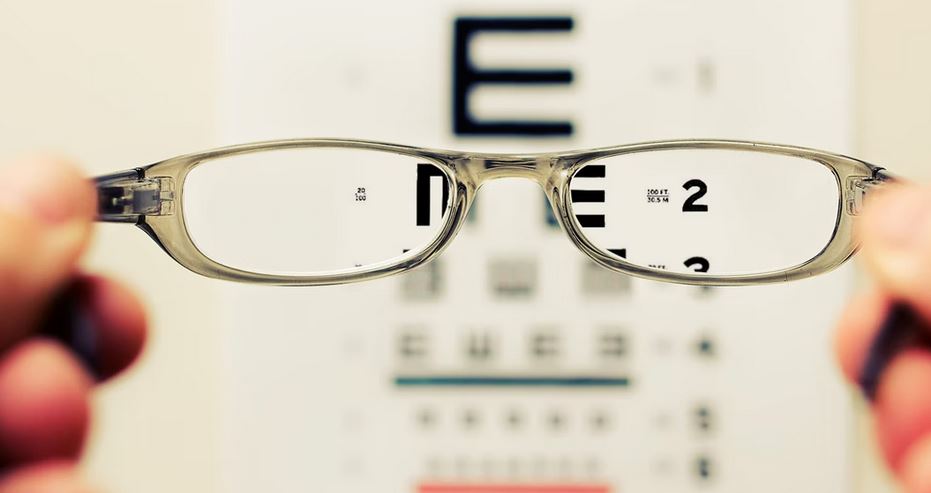
One of the first signs that your near vision may be changing is the need to hold reading material farther away from your face.
You may notice yourself:
- Stretching your arms out to read your phone
- Moving books or magazines farther away while reading
- Holding restaurant menus at a distance
- Increasing the font size on your computer or tablet
- Asking someone else to read small print
Many people naturally compensate for changes in vision by adjusting the distance between their eyes and the object. While this may work temporarily, it is often an early indication that your eyes need additional support.
Reading glasses can help bring close objects back into focus and reduce the effort your eyes need to make.
2. Reading Causes Eye Strain or Headaches
Reading should be enjoyable, but if you find yourself experiencing discomfort after only a short time, your eyes may be working harder than they should.
Signs of eye strain may include:
- Headaches after reading
- Tired or aching eyes
- Blurred vision after focusing on something close
- Difficulty concentrating on text
- A feeling of pressure around the eyes
Eye strain often happens because the eye muscles are trying to compensate for difficulty focusing. Reading glasses can reduce this extra effort and make close-up activities more comfortable.
If headaches become frequent or severe, it is important to have your vision checked to rule out other causes.
3. You Struggle to See Clearly in Low Light
Many people notice that reading becomes more challenging in dim lighting as they get older.
You may find that:
- Reading before bed is more difficult
- Small print disappears in restaurants or stores
- You need additional lamps around your home
- Everyday tasks become harder in darker environments
As we age, changes in the eye can affect how much light reaches the retina. This means you may need brighter lighting than you did in the past.
Adding better lighting can help, but if you still struggle even in good conditions, reading glasses may improve your vision.
4. You Need Much Brighter Light to Read
If your bedside reading lamp that once worked perfectly no longer feels bright enough, your eyesight may have changed.
You might notice that you:
- Turn on overhead lights while reading
- Move closer to lamps
- Avoid reading in the evening
- Have trouble with hobbies like sewing, puzzles, or crafts
Good lighting is important for comfortable reading, but constantly needing more light can be another clue that your eyes need help focusing.
A combination of proper lighting and reading glasses can make a significant difference.
5. Small Print Has Become Difficult to Read
Small print appears everywhere in daily life, from medication labels to product instructions. Difficulty reading these details is one of the most common reasons people begin looking into reading glasses.
You may struggle with:
- Prescription labels
- Food packaging
- Bills and paperwork
- Instruction manuals
- Text messages
- Books and magazines
If you find yourself squinting, moving items closer and farther away, or using your phone flashlight to read, it may be time for an eye examination.
6. Your Eyes Feel Tired After Screen Time
Modern life involves spending more time than ever looking at digital screens. Computers, smartphones, and tablets can contribute to eye fatigue, especially when your eyes are already having trouble focusing at close distances.
Symptoms of digital eye strain may include:
- Dry eyes
- Blurry vision
- Tired eyes
- Difficulty refocusing after screen use
- Neck and shoulder discomfort from poor posture
To reduce screen-related eye strain, try these simple habits:
- Increase text size on your devices
- Adjust screen brightness
- Blink regularly
- Take frequent breaks
- Follow the 20-20-20 rule
The 20-20-20 rule means looking at something about 20 feet away for 20 seconds every 20 minutes of screen use.
7. You Notice Your Arms Are No Longer Long Enough
Many adults jokingly refer to this as the moment when their “arms are not long enough anymore.”
You may notice that you automatically move books, menus, or phones farther away because text becomes clearer at a distance.
This is one of the classic signs of presbyopia and is a common reason people begin using reading glasses.
Other Signs Your Vision May Be Changing
While needing reading glasses is often a normal age-related change, other symptoms should not be ignored.
Contact an eye care professional if you experience:
- Sudden vision changes
- Double vision
- Eye pain
- Flashes of light
- A sudden increase in floaters
- Difficulty seeing clearly at any distance
These symptoms may require further evaluation.
Reading Glasses vs. Prescription Glasses: What Is the Difference?
Many people start with over-the-counter reading glasses, which can be helpful for basic magnification needs.
They are often available in different strengths and can be useful for:
- Reading books
- Checking emails
- Looking at recipes
- Using phones and tablets
However, prescription glasses may be a better choice if:
- Your eyes require different strengths
- You have astigmatism
- You experience vision problems beyond close-up reading
- You need glasses for both near and distance vision
An eye exam can help determine the best option for your needs.
Tips for Protecting Your Eyes as You Age
While ageing naturally affects vision, healthy habits can support long-term eye health.
Helpful habits include:
- Scheduling regular eye exams
- Wearing sunglasses outdoors
- Eating a balanced diet rich in eye-friendly nutrients
- Taking breaks from screens
- Maintaining healthy blood pressure and blood sugar levels
- Using proper lighting when reading
Taking care of your eyes today can help protect your vision in the future.
Final Thoughts: Listen to Your Eyes
Needing reading glasses is a common milestone and a natural part of getting older. It does not mean something is wrong with your eyes—it simply means your vision needs a little extra support.
If you are holding your phone farther away, struggling with small print, experiencing headaches while reading, or needing brighter light, it may be time to schedule an eye exam.
The right glasses can make everyday activities easier and help you continue enjoying the things you love, from reading your favourite books to staying connected with family and friends.