
8 min read
1598 words
Winter camping offers a solitude and beauty unmatched by any other season. The silence of a snow-blanketed forest, the crisp air, and the stunning visibility of the night sky create an unforgettable experience. However, the unforgiving nature of cold weather demands thorough preparation, specialized gear, and a deep understanding of survival principles.
Unlike mild-weather camping, a simple oversight in deep winter can transition quickly from minor inconvenience to genuine risk. This comprehensive guide provides the essential knowledge you need to transform the biting cold into a backdrop for your next great adventure.
1. The Critical Role of Your Shelter System
In winter, your tent and sleeping setup are not just comfort items—they are your primary line of defense against hypothermia and exposure. Success hinges on creating a dry, insulated internal microclimate.
The Right Tent: Four-Season Reliability
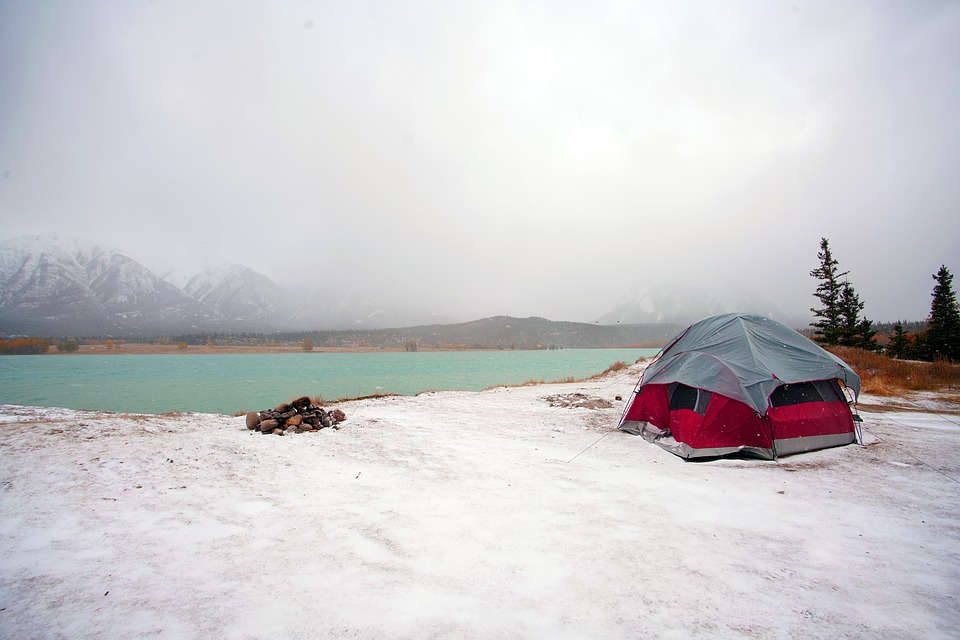
While three-season tents are fine for light snow and mild shoulder seasons, true winter camping requires a dedicated four-season tent.
- Structure and Strength: Four-season tents feature stronger poles, steeper walls, and numerous guy-out points designed to withstand heavy snow loads and high winds without collapsing.
- Minimal Mesh: These tents minimize mesh paneling, trading ventilation (which can be difficult to manage in extremely cold conditions regardless) for better heat retention. Always ensure adequate ventilation near the top to manage condensation, which is a major enemy in cold weather.
The Foundation of Warmth: R-Value and Ground Insulation
The most critical factor in staying warm is not the sleeping bag, but the insulation between you and the frozen ground. Heat loss to the ground is constant and rapid.
- Understanding R-Value: R-value measures a material’s resistance to heat flow. For winter camping (temperatures consistently below freezing), look for a sleeping pad with an R-value of 4.0 or higher.
- Double-Padding Technique: Many experienced winter campers double up their pads. Start with a closed-cell foam pad (high durability, consistent R-value) directly on the snow, and place a high R-value inflatable pad (comfort and insulation) on top of that. This combination provides superior protection and redundancy.
Selecting the Sleeping Bag
Your bag must be rated for temperatures significantly colder than those you expect to encounter.
- Temperature Rating: If the forecast is 10°F (-12°C), you should ideally use a bag rated for 0°F to -10°F. Humans generate less body heat when sleeping, and ratings are often based on survival, not comfort.
- Down vs. Synthetic:
- Down: Offers superior warmth-to-weight ratio and compressibility. However, if down gets wet, it loses its insulating properties completely. Requires careful management.
- Synthetic: Retains insulation when damp and dries faster. It is bulkier and heavier but is often preferred in damp, coastal winter climates.
- Pro Tip: Sleeping Bag Liner: A quality fleece or thermal liner can add 10 to 15 degrees of warmth to your bag and serves the secondary purpose of keeping the interior of your expensive bag cleaner, extending its life.
2. Mastering Layering: The Science of Keeping Dry
Subheadings 2: Optimal Clothing Strategies for the Cold
In cold environments, the cardinal rule is avoid sweating at all costs. Moisture is the fastest conductor of heat away from the body. Your clothing system must be highly adaptable to quickly shed moisture during activity (hiking, setting up camp) and trap heat during inactivity (resting, sleeping).
The Three-Tier System
Tier 1: The Base Layer (Wicking)
The base layer (worn next to the skin) manages moisture. It must wick sweat away and transfer it to the outer layers where it can evaporate.
- Material: Merit wool (highly effective, retains warmth even when slightly damp) or synthetic fabrics (polypropylene/polyester).
- Crucial Rule: Never wear cotton. Cotton absorbs sweat and holds it against the skin, leading to rapid chilling.
Tier 2: The Mid-Layer (Insulation)
This layer traps air next to the body, providing the bulk of your warmth. This layer should be adjustable.
- Material: Fleece, puffy synthetic jackets, or heavier down sweaters.
- Function: Use multiple thin mid-layers rather than one heavy layer. This allows you to fine-tune your insulation by adding or removing garments easily without exposing your core.
Tier 3: The Shell Layer (Protection)
The outer layer protects you from external elements: wind, snow, and rain.
- Function: Look for gear that is windproof and waterproof (or highly water-resistant) while remaining breathable enough to allow internal moisture vapor to escape. Hardshell jackets and pants with zippered vents (pit zips) are essential.
Protecting Your Extremities
Frostbite is most common in the extremities, where blood flow is restricted to conserve core temperature.
- Hands: Use a layering system here too. Thin liner gloves (for dexterity) inside thick waterproof mittens. Mittens are generally warmer than gloves because they allow your fingers to share warmth. Carry an extra pair of dry mittens.
- Feet: Wear high-quality, non-compressed wool or synthetic socks. Bring two or three pairs. Just before sleeping, change into a heavy, dedicated pair of “sleep socks” that have not been worn all day.
- Head/Neck: Up to 50% of body heat can be lost through the head. Wear a warm hat (wool or fleece) and utilize a balaclava or neck gaiter to protect your airways and neck.
3. Staying Fueled and Hydrated
Subheadings 3: Fueling the Winter Engine
Maintaining core temperature requires a massive amount of metabolic energy. Your caloric intake requirements can easily double or triple in cold, active conditions. Furthermore, dehydration is a silent but serious threat in winter.
The Caloric Consumption Mandate
You must eat constantly, even when you don’t feel hungry. Your body is running a perpetual internal heater.
- Fat is Your Friend: Focus on high-calorie, easily digestible foods, particularly those high in healthy fats and complex carbohydrates. Nuts, cured meats, cheese, quality cooking oils, and dense energy bars are excellent choices.
- Hot Meals: Eating hot meals not only provides essential nutrients but also delivers psychological and physical warmth. Plan for easy-to-prepare soups, stews, and hot oatmeal.
- Bedtime Snack: Eat a high-fat snack (like a block of cheese or a handful of nuts) right before crawling into your sleeping bag. Digesting these dense calories generates heat while you sleep, preventing the cold “midnight shivers.”
The Hydration Challenge
It is easy to forget to drink water when you are not actively sweating, but the dry winter air pulls moisture from your lungs with every breath.
- Melting Snow Safely: Never eat snow directly, as the energy required to melt and warm the snow in your stomach will actively cool your core. Always melt snow and bring the water to a boil using a stove.
- The Power of the Hot Drink: Carry a insulated thermos (steel or vacuum flask) and fill it with hot tea or cocoa before leaving camp. Sipping hot liquids throughout the day helps maintain hydration and core warmth.
- Preventing Freezing: Storing water bottles upside down (ice forms at the top) or wrapping them in a scarf and storing them near your body (or even inside your sleeping bag at night) prevents freezing.
Stove Maintenance and Fuel
Liquid fuel stoves (like white gas) often perform better than canister stoves in sub-zero temperatures, as the canister pressure drops severely when cold.
- Wind Protection: Always use a windscreen around your stove to maximize efficiency. Melting snow is very fuel-intensive, so efficiency is critical.
- Ventilation: Never use any fuel-burning device inside your tent without extreme, dedicated ventilation. Carbon monoxide poisoning is a very real, often fatal, winter risk.
4. Critical Safety, Hazard Awareness, and Emergency Protocols
The margin for error shrinks considerably in winter. Preparation must extend beyond gear to include knowledge of environment and emergency action.
Recognizing and Treating Cold-Weather Illnesses
Hypothermia
This occurs when the body loses heat faster than it produces it. Symptoms progress from shivering and clumsiness to confusion, slurred speech, and eventually, cessation of shivering (a severe stage).
- Action: Immediately move the victim to a warm, dry shelter. Remove wet clothing. Provide warm, sweet drinks (non-alcoholic). If conscious, apply heat (chemical warmers or warm water bottles) to the neck, armpits, and groin.
Frostbite
This is the freezing of tissue. It often begins subtly, feeling like pins and needles, then numbness. Pale, waxy, or hard skin are signs of severe frostbite.
- Action: Do not rub the affected area. Do not rewarm the tissue if there is any chance it might freeze again before reaching definitive care. If safe, gently rewarm the area in warm (not hot) water (100°F to 105°F).
Navigation and Visibility
Snow drastically changes the landscape, obscuring trails and making the terrain challenging to read.
- GPS and Map Backup: Always carry a fully charged GPS device, but ensure you also have a physical map and compass and know how to use them. Batteries drain extremely fast in cold weather; keep electronics stored close to your body heat.
- Visibility Gear: In addition to headlamps, carry high-visibility markers (colored ribbons, reflective tape) to mark your campsite perimeter and any caches.
The Emergency Kit
In addition to your standard first aid kit, your winter emergency kit should include:
- Repair Supplies: Duct tape and wire for repairing tents, poles, and sleeping pads.
- Fire Starters: Waterproof matches and multiple fire-starter cubes or commercial fire pastes.
- Chemical Warmers: Hand and foot warmers can be vital for preventing frostbite in small boots or gloves, or for placing near the core of a hypothermic person.
Conclusion: Embrace the Solitude
Winter camping is an exercise in meticulous planning and respect for the environment. By focusing on superior ground insulation, mastering the art of layering to stay dry, and consuming adequate fuel and hydration, you mitigate the greatest risks associated with the cold.
The rewards—a sense of self-reliance, breathtaking views, and the unique quietude of a frozen landscape—make the extra effort worthwhile. Prepare wisely, test your gear beforehand, and step confidently into winter’s frozen beauty.
 Carly
Carly  Lisa
Lisa