
6 min read
1011 words
Every time a woman casts a ballot, she is exercising a right that was not given, but won. The freedom to vote is a cornerstone of modern democracy, yet for half of the U.S. population, it was out of reach for over a century. The story of how women gained this fundamental right is one of courage, strategy, and relentless perseverance.
The Women’s Suffrage Movement is more than just a chapter in a history book; it’s a pivotal, decades-long struggle that reshaped the fabric of our society. This article explores the trailblazers, key milestones, and the undeniable legacy of the fight for the vote.
What Was the Women’s Suffrage Movement?
At its core, the Women’s Suffrage Movement was a civil rights campaign for women’s right to vote (also known as suffrage) in the United States. Spanning nearly a century, this crusade officially began in the mid-1800s and culminated with the ratification of the 19th Amendment to the Constitution in 1920.
The movement was fueled by a simple yet radical idea: that women were not just citizens in name, but deserved a voice in the laws that governed their lives, families, and communities. Suffragists argued that true democracy could not exist if half of its population was disenfranchised. They faced intense opposition, ridicule, and even violence, but their belief in equality propelled them forward through generations of activism.
The Trailblazers: Key Figures Who Led the Charge
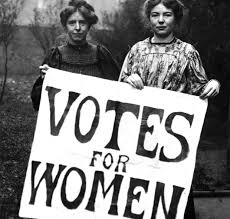
While countless individuals contributed to the cause, a few key figures became the strategic and inspirational leaders of the movement.
Susan B. Anthony
A tireless advocate and brilliant organizer, Susan B. Anthony became one of the most visible leaders of the women’s rights movement. She traveled the country delivering speeches, gathering signatures for petitions, and lobbying Congress. In 1872, she was famously arrested for voting in her hometown of Rochester, New York, bringing national attention to the suffrage cause. Her lifelong partnership with Elizabeth Cady Stanton formed the powerhouse duo at the heart of the movement for 50 years.
Elizabeth Cady Stanton
Elizabeth Cady Stanton was a leading writer, philosopher, and intellectual force of the movement. A mother of seven, she was a masterful orator and a revolutionary thinker who pushed the boundaries of women’s rights beyond just the vote. She helped organize the first women’s rights convention and was the principal author of its “Declaration of Sentiments,” a document that boldly demanded social and political equality for women.
Alice Paul
Representing a new, more radical generation of suffragists, Alice Paul injected fresh energy and bold tactics into the movement. Having witnessed militant activism in England, she brought a new level of urgency to the American cause. Paul co-founded the National Woman’s Party and organized dramatic events, including the first-ever picket of the White House. Her unyielding strategies, including hunger strikes while imprisoned, were crucial in pressuring President Woodrow Wilson to finally support the suffrage amendment.
It’s also important to remember that thousands of other women, including women of color like Ida B. Wells and Mary Church Terrell, fought tirelessly for suffrage, often while also battling racial discrimination within the movement itself.
Milestones on the Road to the 19th Amendment
The path to victory was long and marked by strategic, powerful events that captured public attention and built momentum.
The Seneca Falls Convention (1848)
This groundbreaking event, held in Seneca Falls, New York, is widely considered the official launch of the organized women’s rights movement in the United States. Here, activists adopted the “Declaration of Sentiments,” which proclaimed, “We hold these truths to be self-evident: that all men and women are created equal.” It was the first time a formal demand for women’s right to vote was made, setting the stage for the 72-year struggle that would follow.
Suffrage Parades and Demonstrations
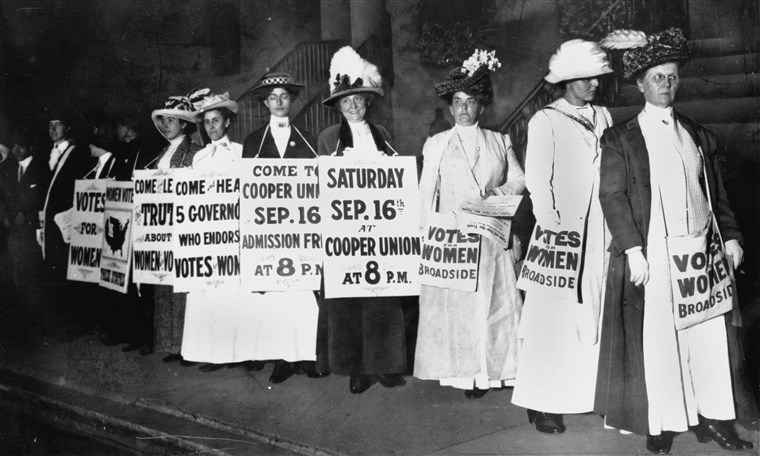
To bring their cause to the streets, suffragists organized massive, visually stunning parades. The most famous was the 1913 Woman Suffrage Procession in Washington, D.C., held the day before President Wilson’s inauguration. Thousands of women marched down Pennsylvania Avenue, facing hostile, violent crowds. The shocking images of the chaos helped garner public sympathy and demonstrated the fierce determination of the movement.
The “Silent Sentinels”
Beginning in 1917, Alice Paul and the National Woman’s Party began picketing the White House. Known as the “Silent Sentinels,” these women stood at the gates day after day, holding banners with pointed questions like, “Mr. President, how long must women wait for liberty?” They endured arrests, imprisonment, and brutal treatment, but their silent, persistent protest kept the pressure on the president and made suffrage an impossible issue to ignore during World War I.
The Lasting Impact of the Women’s Suffrage Movement
The ratification of the 19th Amendment on August 18, 1920, was not just the end of a movement—it was the beginning of a new era. Its impact continues to ripple through society today.
- Political Empowerment: With the right to vote, women became a powerful new political constituency. Their participation in the democratic process led to policy changes and opened the door for women to run for and hold public office, transforming the political landscape.
- Broad Social Change: The fight for the vote was a catalyst for broader women’s rights. The political power and social standing gained from suffrage helped fuel subsequent movements for equal opportunities in education, employment, and healthcare, including access to reproductive rights.
- A Legacy of Inspiration: The courage and perseverance of the suffragists have inspired generations of activists. Their tactics—grassroots organizing, nonviolent protest, strategic lobbying, and civil disobedience—created a blueprint for social change that has been used by civil rights movements around the world.
A Victory That Paved the Way
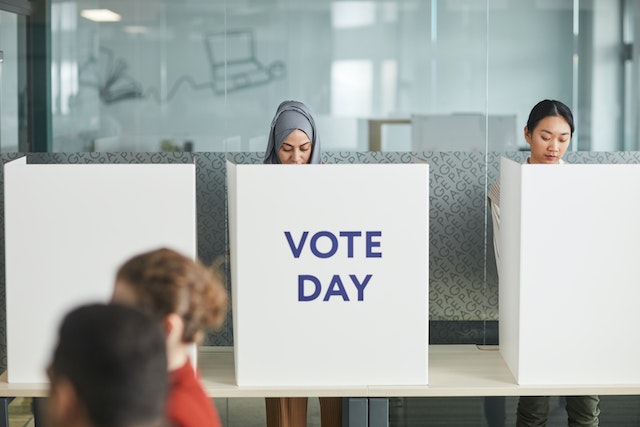
The Women’s Suffrage Movement was a transformative chapter in American history that championed the rights and voices of women. Its legacy is a powerful reminder that change is possible and that a dedicated group of citizens can challenge the status quo and win. Their victory wasn’t just about marking a ballot; it was about affirming a woman’s place as an equal and active citizen in society. And that is a legacy worth celebrating every single day.
 Alan Harris
  Kate M
  Carly
Carly