

9 min read
1719 words
When the concern of illness arises, monitoring core body temperature becomes one of the most immediate and critical steps in assessing health. Temperature is a vital sign, a basic indicator that dictates whether further medical attention is necessary. However, the days of relying solely on glass and mercury are long gone. The modern market is flooded with advanced monitoring devices, from instantaneous infrared scanners to sophisticated smart systems.
Choosing the right tool is paramount. A substandard or improperly used thermometer provides unreliable data, leading to anxiety, incorrect self-care, or delayed medical intervention. For both household use and professional care, having a calibrated, accurate, and user-appropriate device is essential.
In this comprehensive guide, we will cut through the noise, detailing the current landscape of temperature monitoring technology, the critical factors that should influence your purchasing decision, and the brands that stand for clinical reliability.
The Essential Monitoring Toolkit: Understanding Thermometer Types
Modern thermometers utilize a variety of technologies, ranging from traditional heat-sensitive resistors to advanced infrared scanning. Understanding the methodology and ideal use case for each type is the first step toward making an informed choice.
1. Digital Thermometers: The Reliable Workhorse
Digital thermometers utilize electronic heat sensors (thermistor technology) to measure temperature. Their primary strength lies in their versatility and accuracy when used correctly.
- Usage Context: They can be used orally (under the tongue), axillary (under the arm), or rectally. The rectal method is often considered the gold standard for achieving the most accurate core temperature reading, particularly in infants and critical care settings where precise measurement is non-negotiable.
- Pros: Highly accurate and affordable; suitable for all ages; simple structure limits technological failure points.
- Cons: Require contact and time (usually 30–60 seconds, which can feel lengthy when dealing with a restless child); must be thoroughly cleaned between uses, especially when used rectally.
2. Ear Thermometers (Tympanic): Speed and Convenience
Tympanic thermometers use infrared technology to measure the heat waves emitted from the eardrum and surrounding ear canal tissue. Because the eardrum shares a blood supply with the hypothalamus (the body’s temperature control center), this location provides a very rapid, close approximation of core body temperature.
- Usage Context: Excellent for use on infants and young children, where speed is crucial. They are also highly convenient for adults who need a fast reading.
- Pros: Extremely fast (often 1–3 seconds); non-invasive compared to oral or rectal methods; ideal for rapid screening.
- Cons: Accuracy can be compromised if not inserted correctly, if earwax blocks the reading, or if the user has recently been lying on that ear. They are generally not recommended for newborns due to the small size of the ear canal.
3. Forehead Thermometers (Temporal/Infrared): Hygiene First
Forehead thermometers, often called temporal artery thermometers or non-contact infrared thermometers (NCITs), measure the infrared heat radiating from the temporal artery near the skin’s surface or simply from the forehead skin itself. These rapidly gained popularity due to their hygienic, non-contact nature.
- Usage Context: The safest option for multiple users (such as in schools, clinics, or businesses) due to zero risk of cross-contamination. Also excellent for taking the temperature of a sleeping infant without disturbance.
- Pros: Highest level of hygiene; exceptionally fast and seamless to use; highly convenient.
- Cons: Accuracy can be easily influenced by external factors like sweat, drafts, ambient room temperature, or a hat covering the forehead prior to measurement. Readings are often considered less precise than rectal or properly taken oral measurements.
4. Smart Thermometers: Data and Tracking
Smart thermometers represent the integration of medical sensors with connectivity technology. These devices often use traditional digital or infrared sensors but pair via Bluetooth or Wi-Fi to a dedicated smartphone application.
- Usage Context: Ideal for individuals managing chronic conditions, tracking fertility cycles, or parents needing to monitor the trajectory of an illness overnight without disturbing the patient.
- Pros: Automatically log and chart temperatures, eliminating manual recording errors; allow for tracking trends and sharing data easily with health professionals; customizable alerts.
- Cons: Generally more expensive; reliant on battery life and successful integration with smartphone apps; the technology layer can sometimes be unnecessarily complex for simple needs.
Choosing Your Perfect Match: Key Factors to Consider
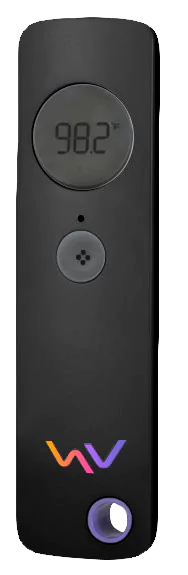
Selecting the best thermometer involves balancing the clinical need for accuracy against practical considerations such as user comfort and speed. The perfect thermometer for a pediatrician’s office may be vastly different from the best fit for a busy family with toddlers.
1. Clinical Accuracy and Reliability
Accuracy is the cornerstone of temperature monitoring. A deviation of just one degree Fahrenheit can shift a diagnosis from “low-grade fever” to “significant fever.”
- Calibration: Look for devices that are FDA-approved and have a reputation for high manufacturing quality. High-end devices often feature internal calibration checks to ensure consistency.
- Site Specificity: Be aware that “normal” temperature ranges vary based on the site of measurement (e.g., axillary temperature is usually lower than an oral temperature, and a rectal temperature is highest). Choose a thermometer known to be accurate for its intended site of use. Digital rectal thermometers remain the most accurate for measuring core temperature.
2. Ease of Use and Intrusiveness
The user experience often dictates how frequently and successfully a thermometer is used. This is particularly crucial when dealing with patients who are ill, agitated, or very young.
- Children and Infants: For infants, a quick, non-intrusive method (ear or forehead) is preferred, even if it requires confirmation via a rectal reading during critical times. For older children, a fast-reading oral or ear thermometer minimizes distress.
- Interface: Look for clear, brightly lit digital displays, simple one-button operation, and, ideally, color-coded fever indicators (green, orange, red) that simplify interpretation.
3. Speed of Reading
In a medical screening or a home emergency, time is a critical factor.
- Infrared Advantage: Devices utilizing infrared technology (ear and forehead) typically provide results within 1 to 3 seconds, making them excellent choices for screening high volumes of people or for easily distracted patients.
- Digital Timelines: Standard digital thermometers usually take between 10 and 60 seconds. While slower, this time difference often correlates with higher steady-state accuracy for oral readings.
4. Hygiene and Maintenance
To prevent the spread of infectious diseases, the thermometer must be simple to clean and disinfect effectively.
- Contact vs. Non-Contact: Non-contact infrared thermometers (NCITs) offer superior hygiene by eliminating skin contact entirely.
- Cleaning Protocols: For digital and tympanic thermometers, ensure the device is constructed of materials that can withstand rigorous cleaning with alcohol wipes without damaging the screen or the sensor probe. Tympanic thermometers often require disposable probe covers, which is an ongoing cost but maximizes hygiene.
5. Memory Function and Data Tracking
A memory function is a practical feature that elevates a clinical tool into a diagnostic aid.
- This feature allows the user to store previous readings, enabling easy comparison to understand if a fever is trending up, down, or stabilizing. For long-term tracking of illness recovery or fertility cycles, the more robust data logging capabilities of a smart thermometer are highly beneficial.
Defining Reliability: Top Thermometer Brands
The market is saturated with options, yet certain brands have built strong reputations based on consistent quality, innovative design, and clinical backing. Investing in a known, reliable brand often correlates directly with higher accuracy and longevity.
Braun: The Clinical Standard
Braun is often considered the industry benchmark, particularly for infrared thermometers. Their devices frequently appear in clinical settings due to their reliability, durability, and ergonomic design.
- Key Feature: Braun is most famous for its line of tympanic (ear) thermometers, which incorporate proprietary technology to ensure correct positioning and minimize reading error, making them a popular choice for both medical professionals and discerning at-home users.
- Target Audience: Consumers and professionals prioritizing consistent, high-end accuracy and willing to invest in a premium product.
Exergen: Mastering the Gentle Scan
Exergen popularized the concept of temporal artery thermometry with its unique TemporalScanner technology. These devices are designed to analyze the heat flowing across the skin of the forehead and calculate the approximate core temperature.
- Key Feature: Non-invasive scanning capability provides exceptionally fast, accurate readings for the temporal region. Their devices are widely used in hospitals and pediatric offices because they are quick and minimally disruptive.
- Target Audience: Environments where non-contact and speed are essential, such as hospitals, schools, and busy pediatric practices.
iProven: Quality on a Budget
iProven has carved out a niche by offering reliable, user-friendly digital and infrared thermometers that balance quality components with affordable pricing, making clinical precision accessible to the average family.
- Key Feature: Known for producing high-quality basal body temperature (BBT) thermometers for fertility tracking, as well as dependable digital oral/rectal thermometers. They focus on delivering essential accuracy features without unnecessary technological frills.
- Target Audience: Families, individuals tracking basal temperature, and budget-conscious consumers seeking performance verification (e.g., FDA clearance) without the premium price associated with top-tier hospital brands.
Vicks: Comfort and Care
Vicks, a brand long associated with wellness and cold relief, develops thermometers that prioritize user comfort and convenience, especially for use on young children.
- Key Feature: Vicks thermometers often incorporate features designed specifically for parents, such as large, back-lit displays, flexible tips on digital models for comfort, and designs that simplify the temperature-taking process. Their focus is on minimizing the stress involved in monitoring a sick child.
- Target Audience: Parents and caregivers who prioritize ease of use, comfort, and streamlined features in a trusted family health brand.
Final Recommendation: Aligning Device with Need
The process of choosing a thermometer moves beyond simply identifying the cheapest or fastest option; it requires an assessment of your primary monitoring needs.
- If you have an infant (under 1 year): A high-quality digital thermometer used rectally remains the most accurate choice for critical fever assessment, supplemented by a reliable ear or forehead thermometer for less critical screenings.
- If you require rapid screening (e.g., school setting, workplace): A non-contact forehead thermometer (NCIT) is the superior choice for speed and hygiene.
- If you need data tracking or long-term monitoring: A smart thermometer provides invaluable tools for charting illness progression or fertility cycles.
- If you need a reliable household standard: A versatile digital thermometer, used correctly, provides the best balance of affordability and clinical accuracy across all age groups.
By systematically evaluating the unique benefits and limitations of each type, considering the critical factors of accuracy and hygiene, and selecting a reputable brand, you ensure that your vital monitoring tool provides the reliable data necessary to manage health confidently and effectively.
 Jennifer Williams
  Kim Monroe
  Hailey Reynolds
Dr. Talbot’s Non-contact Infrared Thermometer offers accurate and easy-to-use temperature readings without direct contact with skin, making it ideal for multiple people or children sensitive to traditional thermometers. Its rapid response time allows for accurate readings in seconds, especially for restless patients. The clear digital display makes it suitable for various settings, making temperature readings quick and accurate.
I also own The Physio Logic Digiflex 10 Digital Thermometer, which is a reliable and user-friendly tool for home and clinical use. Its accuracy, speed, and flexible tip make it suitable for detecting fever and monitoring body temperature. Its compact design and easy-to-read display make it suitable for individuals of all ages, making it a must-have in any household or clinical setting.