Acupuncture can ease these 5 Health Conditions
5 min read
927 words
Acupuncture is a key practice in Traditional Chinese Medicine (TCM) that has been used for thousands of years to promote healing and improve overall well-being. During an acupuncture treatment, a trained practitioner inserts very thin, sterile needles into specific points on the body. According to TCM, these points lie along pathways known as meridians, through which the body’s vital energy, or Qi (pronounced “chee”), flows. When this energy becomes blocked or unbalanced, it is believed to contribute to pain and illness.
From a modern medical perspective, acupuncture may work by stimulating nerves, increasing blood circulation, encouraging the release of the body’s natural pain-relieving chemicals, and influencing areas of the brain involved in pain perception. While researchers continue to study exactly how acupuncture works, growing evidence suggests it may provide relief for certain conditions when used alongside conventional medical care.
Here are five common health problems that acupuncture may help manage.

1. Chronic Pain
Chronic pain is one of the most common reasons people seek acupuncture treatment. Pain that lasts for several months or longer can interfere with work, sleep, physical activity, and overall quality of life.
Acupuncture may help manage conditions such as:
- Chronic lower back pain
- Neck pain
- Osteoarthritis
- Fibromyalgia
- Shoulder pain
- Joint pain
- Muscle tension
Research suggests acupuncture may stimulate the release of endorphins, the body’s natural pain-relieving chemicals, while also influencing pain pathways within the nervous system. Some studies indicate that acupuncture may also help reduce inflammation and improve blood flow to affected tissues.
Many people report gradual improvement after several treatment sessions, with pain relief lasting weeks or even months in some cases. However, results vary depending on the individual, the underlying condition, and the severity of symptoms.
2. Anxiety and Depression

Mental health conditions such as anxiety and depression affect millions of people worldwide. While acupuncture should not replace professional mental health treatment, it may serve as a complementary therapy for some individuals.
Researchers believe acupuncture may influence the release of neurotransmitters such as serotonin, dopamine, and endorphins, which play important roles in mood regulation.
Some people who receive acupuncture report improvements in:
- Stress levels
- Feelings of anxiety
- Emotional well-being
- Relaxation
- Sleep quality
Several studies suggest acupuncture may help reduce symptoms of anxiety and depression when combined with evidence-based treatments such as counselling, psychotherapy, or medication prescribed by a healthcare provider.
3. Headaches and Migraines

Recurring headaches and migraines can significantly affect daily life. Many people seek acupuncture as a non-drug option to help reduce both the frequency and severity of these painful episodes.
Acupuncture may help by:
- Relaxing tense muscles
- Influencing pain signaling pathways
- Stimulating endorphin release
- Supporting normal nervous system function
Research has found that some people experience fewer migraine attacks after a series of acupuncture treatments. Others report that headaches become less severe and require less medication.
Although acupuncture is not a cure for migraines, it may be a helpful addition to a comprehensive migraine management plan developed with a healthcare professional.
4. Digestive Problems
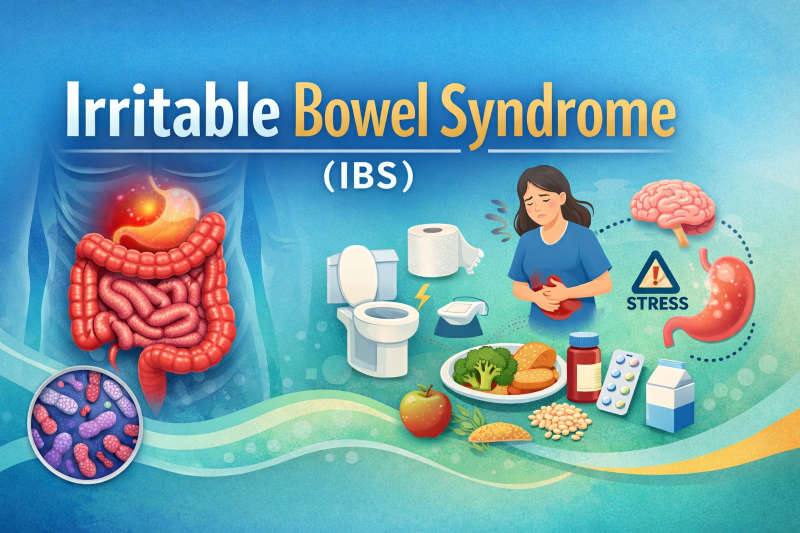
The digestive system is closely connected to the nervous system, which is why stress can often worsen digestive symptoms. Some people use acupuncture as part of their treatment plan for functional digestive disorders.
Conditions that may benefit include:
- Irritable bowel syndrome (IBS)
- Functional constipation
- Functional diarrhea
- Bloating
- Abdominal discomfort
- Nausea
Researchers believe acupuncture may help regulate communication between the brain and digestive tract, improve blood flow, reduce muscle spasms, and support normal digestive function.
While more research is needed, some studies suggest acupuncture may improve symptoms and quality of life for people living with IBS when combined with dietary changes and medical care.
5. Sleep Problems
Getting enough quality sleep is essential for both physical and mental health. Chronic insomnia and poor sleep can contribute to fatigue, reduced concentration, mood changes, and a weakened immune system.
Acupuncture may help improve sleep by promoting relaxation and reducing stress. Some researchers believe acupuncture influences neurotransmitters and hormones involved in regulating the sleep-wake cycle.
People may seek acupuncture for:
- Insomnia
- Difficulty falling asleep
- Frequent nighttime waking
- Restless sleep
- Sleep disturbances associated with chronic pain
- Menopause-related sleep problems
Some individuals notice improved sleep after several treatments, particularly when acupuncture is combined with healthy sleep habits, regular exercise, and stress management techniques.
Can Acupuncture Help Other Conditions?
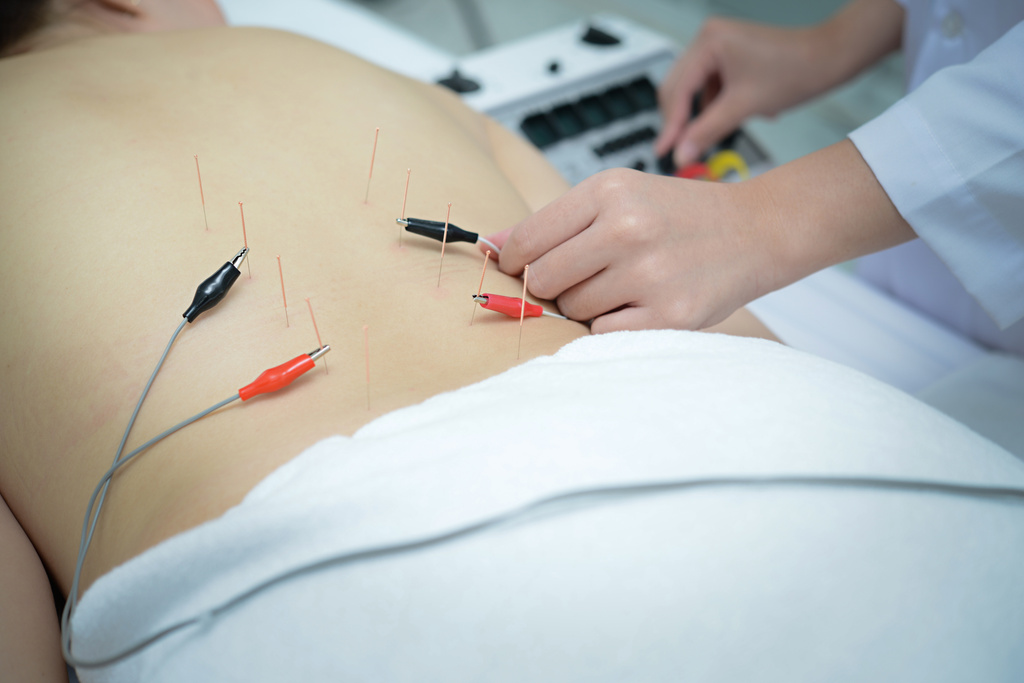
In addition to the conditions above, acupuncture is sometimes used as a complementary therapy for:
- Sciatica
- Knee osteoarthritis
- Allergies
- Menstrual pain
- Temporomandibular joint (TMJ) disorders
- Sports injuries
- Postoperative pain
- Nausea related to certain medical treatments
Research continues to explore acupuncture’s role in managing these and other health conditions.
Is Acupuncture Safe?
When performed by a licensed and qualified practitioner using sterile, single-use needles, acupuncture is generally considered safe.
Possible side effects are usually mild and may include:
- Minor bruising
- Temporary soreness
- Slight bleeding at the needle site
- Mild dizziness
- Temporary fatigue
Serious complications are rare when acupuncture is performed correctly.
The Bottom Line
Acupuncture offers a drug-free, complementary approach that may help manage chronic pain, headaches, anxiety, digestive disorders, sleep problems, and several other health conditions. Although it is not a cure, many people find it improves their comfort, mobility, relaxation, and overall quality of life.
For the best results, acupuncture is often combined with healthy lifestyle habits, regular physical activity, good nutrition, stress management, and appropriate medical care. If you are considering acupuncture, speak with your healthcare provider and choose a licensed practitioner who can determine whether it is appropriate for your individual health needs.
Medical Disclaimer: This article is for informational purposes only and should not replace professional medical advice, diagnosis, or treatment. Always consult your healthcare provider before starting acupuncture or any complementary therapy.