
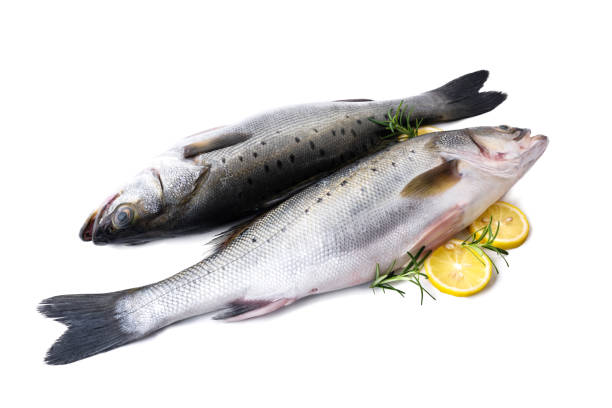
Chilean Sea Bass : Why Is It So Special and So Expensive
7 min read
1241 words
For discerning food lovers and culinary enthusiasts, few fish command as much admiration – and as high a price – as Chilean Sea Bass. This luxurious white fish graces the menus of fine dining establishments worldwide, celebrated for its delicate flavor and exquisite texture. But what exactly makes Chilean Sea Bass so special, and why does it often come with such a significant cost? In this comprehensive guide, we’ll dive deep into the world of Chilean Sea Bass, answering all your burning questions about its unique appeal, taste profile, health aspects, and more.
Why Is Chilean Sea Bass So Special and So Expensive?
The allure of Chilean Sea Bass stems from a combination of its exceptional culinary qualities and the challenging conditions under which it’s sourced.
What Makes It Special: At its heart, Chilean Sea Bass (scientifically known as Patagonian Toothfish or Antarctic Toothfish) is prized for its remarkable flesh. It boasts a perfectly white, flaky meat with a distinctively rich, buttery texture that melts in your mouth. Unlike many other fish, it has a wonderfully mild, sweet flavor that isn’t overly “fishy,” making it incredibly versatile and appealing even to those who are typically hesitant about seafood. Its high fat content is key to this sought-after tenderness and moistness.
Why It’s So Expensive: The high price tag of Chilean Sea Bass is a direct reflection of its origins and the logistics involved in bringing it to your plate.
- Deep-Sea Habitat: This fish lives in the frigid, deep waters of the Southern Ocean, often at depths of 1,500 to 4,000 feet.
- Challenging Catch: Fishing for Chilean Sea Bass requires specialized vessels, equipment, and highly skilled crews operating in some of the world’s most remote and hostile environments. This means higher operational costs.
- Slow Growth Rate: Patagonian Toothfish are long-lived, slow-growing fish, taking many years to reach maturity. This makes them susceptible to overfishing, leading to stricter quotas and sustainable fishing practices that further impact supply and cost.
- High Demand: Its reputation for excellence fuels high demand from premium restaurants and gourmet markets globally, driving prices upward.
Why Does Chilean Sea Bass Taste So Good? (Chilean Sea Bass Taste)
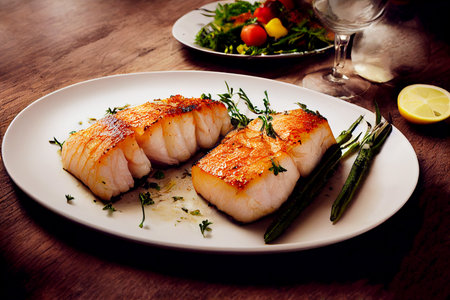
The exquisite taste of Chilean Sea Bass is arguably its most celebrated attribute, setting it apart from many other white fish. Its flavor profile can be described as:
- Rich and Buttery: This is the most defining characteristic. The high oil content, particularly Omega-3 fatty acids, contributes to its luscious, melt-in-your-mouth texture and creamy mouthfeel.
- Mild and Sweet: Despite its richness, the flavor is surprisingly delicate. It lacks the strong, sometimes overpowering “fishy” taste found in some other species, making it incredibly palatable and versatile.
- Firm, Yet Flaky Texture: When cooked, the flesh remains firm enough to hold its shape but flakes apart effortlessly with a fork, revealing moist, pearly-white segments.
This unique combination of richness, mildness, and perfect texture allows Chilean Sea Bass to stand alone as a star dish or beautifully absorb and complement a wide array of flavors and cooking methods.
Is Chilean Sea Bass a Healthy Fish?
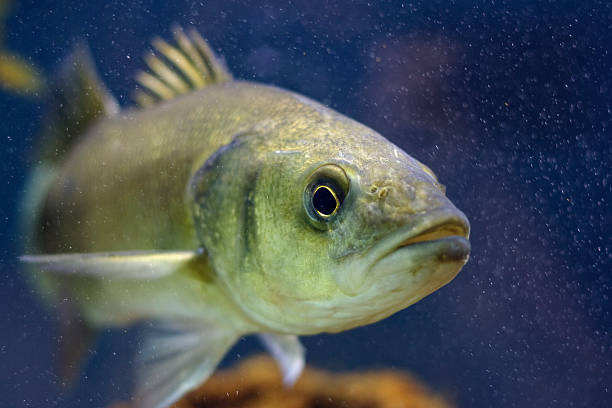
Undoubtedly, Chilean Sea Bass offers several significant health benefits, though there are also considerations to keep in mind.
The Good:
- Rich in Omega-3 Fatty Acids: Like many cold-water fish, Chilean Sea Bass is an excellent source of beneficial Omega-3s (DHA and EPA). These essential fatty acids are crucial for heart health, brain function, reducing inflammation, and supporting overall well-being.
- High Protein Content: It’s a fantastic source of lean protein, vital for muscle repair, growth, and satiety.
- Vitamins and Minerals: Chilean Sea Bass provides important micronutrients, including Vitamin D, Vitamin B12, selenium, and phosphorus.
Considerations: Why is Chilean sea bass bad for you? While generally healthy, there are two primary concerns associated with Chilean Sea Bass:
- Mercury Levels: As a large, long-lived predatory fish, Chilean Sea Bass can accumulate higher levels of methylmercury compared to smaller, shorter-lived species. For most healthy adults, moderate consumption (once or twice a week) is generally considered safe. However, pregnant women, nursing mothers, and young children are often advised to limit or avoid high-mercury fish to minimize potential risks.
- Sustainability Concerns: In the past, the species faced severe overfishing, which raised significant environmental concerns. Today, reputable producers adhere to strict regulations and sustainable fishing practices. Look for Chilean Sea Bass certified by organizations like the Marine Stewardship Council (MSC) to ensure you’re choosing a responsibly sourced product.
Chilean Sea Bass vs Sea Bass
It’s common for consumers to confuse Chilean Sea Bass with other types of “sea bass,” but they are distinctly different fish.
- Chilean Sea Bass (Patagonian Toothfish/Antarctic Toothfish):
- Scientific Name: Dissostichus eleginoides (Patagonian Toothfish) / Dissostichus mawsoni (Antarctic Toothfish).
- Family: Not a true sea bass; belongs to the Nototheniidae family (cod icefishes).
- Habitat: Deep, cold waters of the Southern Ocean.
- Appearance: Large, dark, elongated fish with a tough, bony skin.
- Taste/Texture: Very rich, buttery, high fat content, supremely moist and flaky.
- Price: Premium, often significantly more expensive.
- “True” Sea Bass (e.g., European Sea Bass, Black Sea Bass, White Sea Bass):
- Scientific Name: Varies greatly by species (e.g., Dicentrarchus labrax for European Sea Bass, Centropristis striata for Black Sea Bass).
- Family: Typically belongs to the Moronidae (temperate basses) or Serranidae (groupers and sea basses) families.
- Habitat: Generally shallower, temperate coastal waters around the world.
- Appearance: Smaller, typically silvery, more torpedo-shaped.
- Taste/Texture: Milder, leaner, firmer flesh with a less pronounced buttery quality.
- Price: Generally more affordable and widely available.
The “sea bass” in Chilean Sea Bass was a clever marketing ploy in the 1970s to make the unfamiliar Patagonian Toothfish sound more appealing to American consumers. While not a true sea bass, its unique qualities have earned it a legendary status all its own.
Chilean Sea Bass Recipes
The beauty of Chilean Sea Bass lies in its versatility. Its mild, rich flavor pairs well with a wide range of ingredients and preparation methods. Here are some popular ways to enjoy it:
- Pan-Seared: A classic method that creates a beautiful, crispy skin while keeping the interior moist and tender. Serve with a simple squeeze of lemon and fresh herbs.
- Baked/Roasted: Gently baking the fish with butter, white wine, garlic, and herbs allows its natural flavors to shine.
- Grilled: For a smoky touch, grill thick fillets after marinating them in a light citrus or soy-ginger sauce.
- Broiled: A quick and easy way to achieve a delicious crust; often topped with breadcrumbs and Parmesan for extra texture.
- Asian-Inspired: Its ability to absorb flavors makes it perfect for marinades with soy sauce, ginger, garlic, and sesame oil.
- Mediterranean: Pair with olives, cherry tomatoes, capers, and a hint of white wine for a vibrant dish.
No matter your preferred cooking style, the key to preparing Chilean Sea Bass is to avoid overcooking. Its delicate flesh can dry out quickly, so aim for an internal temperature of 145°F (63°C) and let it rest briefly before serving.
Conclusion
Chilean Sea Bass truly stands out as a culinary marvel. Its exquisite buttery taste, flaky texture, and nutritional benefits make it a prized choice for any gourmet meal. While its premium price and historical sustainability challenges are notable, understanding its unique qualities and choosing responsibly sourced fish (like MSC-certified options) allows you to savor this exceptional seafood with confidence.
So, the next time you encounter Chilean Sea Bass on a menu or at your local fishmonger, you’ll know exactly why this deep-sea delicacy commands such admiration and a special place in the world of fine dining.







why it is called Chilean sea bass if it is found in the cold, deep waters of the Southern Ocean around Antarctica
Although Chilean sea bass is from the waters near Chile and is technically a sea bass, it’s real name is Patagonian toothfish.