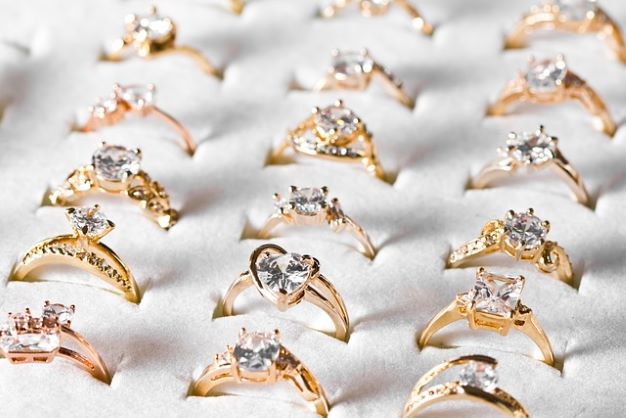
Your Engagement Ring buying guide
5 min read
858 words
Congratulations! You’re ready to take the exciting step of choosing an engagement ring. It’s a symbol of love and commitment, but we know the process can feel overwhelming. With so many styles, settings, and stones to choose from, where do you even begin? Don’t worry—we’ve created this ultimate engagement ring buying guide to walk you through every step, from setting a budget to making the final purchase. Let’s dive in.
Step 1: Set a Realistic Budget
Before you fall in love with a specific ring, it’s crucial to determine your budget. This will help narrow your options and ensure a stress-free shopping experience.
- The Traditional “Rule”: You may have heard of the “two or three months’ salary” rule. Consider this a loose guideline, not a strict mandate. The most important factor is what you are comfortable spending.
- Consider All Costs: Remember to factor in potential insurance, resizing fees, and periodic maintenance like prong checks and cleaning.
- Prioritize Value: A well-chosen ring within your budget is always better than stretching yourself too thin.
Step 2: Understand the 4 Cs of Diamond Quality
If you’re considering a diamond, its quality and value are typically graded by the 4 Cs: Cut, Color, Clarity, and Carat Weight.
- Cut: Often considered the most important C, the cut refers to how well a diamond’s facets interact with light. A high-quality cut maximizes brilliance (sparkle), fire (flashes of color), and scintillation. Grades range from Excellent to Poor.
- Color: This measures a diamond’s lack of color. The scale runs from D (colorless) to Z (light yellow or brown). For a classic white look, aim for grades G through J, which appear colorless to the naked eye but offer excellent value.
- Clarity: Clarity refers to the presence of internal (inclusions) and external (blemishes) characteristics. The scale ranges from Flawless (FL) to Included (I). Most imperfections are invisible without magnification. Consider SI1 or VS2 grades for the best balance of beauty and value.
- Carat: This is the measure of a diamond’s weight, not its size. While larger carats are more rare, a diamond’s cut quality greatly impacts how large it appears. Don’t sacrifice cut for carat size.
Step 3: Choose a Metal for the Band
The metal of the band sets the tone for the entire ring and impacts its durability and care.
- Platinum: A prestigious, naturally white metal that is highly durable, hypoallergenic, and maintains its color forever. It develops a beautiful patina over time.
- White Gold: A popular and affordable alternative to platinum. It’s created by alloying yellow gold with white metals and is usually plated with rhodium for a bright white shine (which may require replating over time).
- Yellow Gold: A classic, timeless choice that offers a warm, traditional look. It is durable and does not require replating.
- Rose Gold: Made by alloying gold with copper, rose gold has a beautiful pinkish hue that has seen a major surge in popularity for its romantic and vintage appeal.
Step 4: Explore Ring Settings and Styles
The setting is how the stone is held in place. It dramatically influences the ring’s overall style and security.
- Solitaire: A single stone held by prongs. This timeless setting emphasizes the diamond’s beauty and maximizes its sparkle.
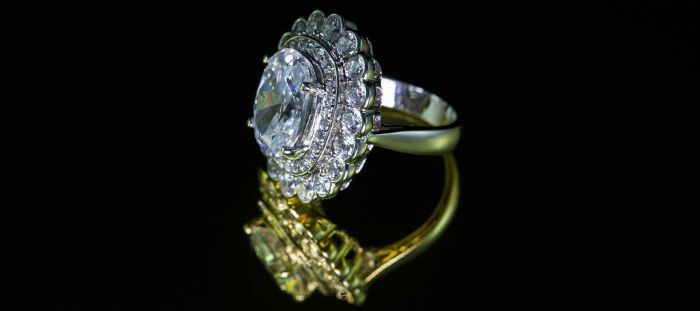
- Halo: A center stone surrounded by a circle of smaller diamonds. This style adds significant sparkle and makes the center stone appear larger.
- Pave (pronounced pa-vay): The band is set with small, closely set diamonds, giving the appearance of a continuous surface of sparkle.
- Three-Stone: Features a center stone with two smaller stones on either side, often symbolizing your past, present, and future together.
- Vintage/Art Deco: Intricate designs with filigree, milgrain detailing, and unique geometric patterns for a one-of-a-kind look.
Step 5: Consider Your Partner’s Style
An engagement ring is meant to be worn every day, so it should reflect your partner’s personal taste and lifestyle.
- Lifestyle: Does they work with their hands? A low-profile bezel setting might be more practical than a high-prong setting.
- Personal Style: Do they prefer modern minimalist jewelry or vintage, ornate pieces? Take note of the jewelry they already wear.
- The Sneaky Strategy: Ask their friends or family for advice. Look at their Pinterest board or Instagram saves—you might find direct inspiration!
Step 6: Know Your Ring Size
Nothing spoils the moment like a ring that doesn’t fit. If you can, borrow one of their existing rings (that fits the correct finger) and have a jeweler measure it. If that’s not possible, remember it’s always easier to resize a ring down slightly than to size it up significantly.
Step 7: Get It in Writing
Always ask for a grading report from a reputable gemological laboratory (like GIA or AGS) for your diamond. This report is your assurance of the diamond’s quality based on the 4 Cs. Finally, ensure you receive a detailed receipt and inquire about the jeweler’s warranty, return policy, and maintenance services.
Ready to Find The One?
Choosing an engagement ring is a journey of its own. Arm yourself with this knowledge, trust your instincts, and remember that the love it represents is what truly makes it priceless.