Most Crucial Skill in Women’s Self-Defence
9 min read
1743 words
In an increasingly complex world, the conversation around women’s personal safety has shifted from reactive measures to proactive empowerment. While physical self-defence techniques—the strikes, locks, and escapes—are invaluable tools, they represent only the final stage of protection. The true cornerstone of personal safety lies not in muscle memory, but in mental agility: Situational Awareness. For modern women, the ability to defend oneself begins long before a physical confrontation. It starts with the powerful skill of perceiving, understanding, and anticipating potential threats in your environment. This comprehensive guide explores why situational awareness is not just a useful tip, but the single most critical factor in effective self-defence, making you a “hard target” that most attackers will choose to avoid.
What is Situational Awareness, and How Does It Work?
In simple terms, Situational Awareness (SA) is the ability to maintain a constant, low-level vigilance regarding your surroundings, allowing you to recognize potential dangers and anomalies before they become genuine threats.
While this concept originated in military and aviation contexts, it is perfectly applicable to personal safety. It moves beyond simply “looking around” and involves three key cognitive steps:
The Three Stages of Situational Awareness
- Perception: This stage involves actively gathering information through all your senses. This means noticing the unlit entrance, hearing approaching footsteps, observing someone consistently matching your pace, or smelling smoke.
- Comprehension: Once information is gathered, your brain processes it. Instead of merely seeing a person, you comprehend their behaviour—is it erratic? Are they hiding their hands? Are they looking at you or your belongings? This is where you establish the environmental “baseline” (what is normal) and identify “anomalies” (what is out of place).
- Projection (or Anticipation): This is the future-oriented stage. Based on the perceived anomaly, you anticipate where the situation might go and develop a plan. For instance: “If that individual continues to approach the entryway, I will cross the street now and keep my phone ready.”
The Colour Codes of Awareness
A simple way to conceptualize SA, often taught in self-defence courses, is the Jeff Cooper Colour Code of Awareness. This system helps individuals quickly assess their mental state and level of readiness:
| Code | Mental State | Focus | Action/Application |
|---|---|---|---|
| White | Unaware/Oblivious | Head in the clouds, totally distracted (e.g., scrolling endlessly on a phone). | You are a vulnerable, easy target. |
| Yellow | Relaxed but Alert | General, non-specific awareness. Awake, scanning the environment, no immediate threat. | This is the ideal state for daily life. |
| Orange | Specific Alert | Recognizing a potential threat or anomaly (e.g., someone following you). Focus is narrowed to solve the problem. | Develop a plan immediately (escape route, communication). |
| Red | Action/Defend | The threat is immediate, and physical action is required (fight or immediate flight). | Execute the plan developed in Code Orange. |
The goal for every woman should be to live predominantly in Code Yellow. This isn’t paranoia; it is professional alertness. It takes no more energy than Code White, but it provides a massive safety advantage.
Why Situational Awareness Is the First Line of Defence
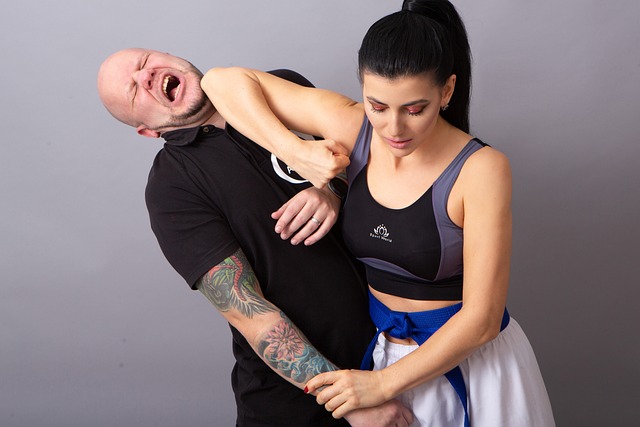
Situational awareness is not merely an optional extra; it is the fundamental basis of proactive safety. It transforms self-defence from a physical confrontation into a powerful psychological strategy.
1. Prevention is the Ultimate Defense
The best fight is the one you never have to be in. By being aware of your surroundings and recognizing early warning signs, women can take proactive measures to avoid dangerous situations entirely. This might include:
- Avoidance of High-Risk Areas: Choosing well-lit routes, avoiding secluded areas, or opting for secured parking garages, all based on an active assessment of the locale.
- Controlling the Environment: If you enter an elevator and the only other person makes you uncomfortable, stepping off immediately, even if it delays you, is a use of awareness.
- Recognizing Pre-Attack Indicators: Situational awareness trains you to spot cues like excessive loitering, individuals trying to close the distance too quickly, or someone moving tactically (e.g., hiding behind objects or using distractions).
2. Enables Quick and Effective Response
In the unfortunate event that a confrontation is inescapable, awareness dictates the success of a quick reaction. If you are aware, you are not surprised—and surprise is an attacker’s greatest weapon.
- By maintaining awareness (Code Yellow/Orange), you have already identified escape routes, potential cover (a shop doorway, a crowd), and even potential defensive objects (a heavy bag, keys, etc.).
- Your ability to transition from recognition to action (Code Red) is dramatically faster when you are not startled, saving precious milliseconds that can make the difference between successful flight and capture.
3. Projects Confidence (The “Hard Target” Effect)
Attackers are predators. Predators look for signs of vulnerability, ease of access, and distraction. Individuals who are oblivious, head down, buried in technology, or walking hesitantly are perceived as “Soft Targets.”
Good situational awareness forces you to carry yourself differently:
- Upright Posture: Head up, shoulders back, making eye contact (but not aggressive staring).
- Scanning: Your eyes are constantly moving, acknowledging the environment and the people in it.
- Decisiveness: You walk with purpose and appear to know where you are going.
This confident, aware demeanour is often enough to deter a potential attacker, who judges the risk-to-reward ratio and decides you are simply too much trouble.
Practical Tools: How to Sharpen Your Situational Awareness
Developing awareness is a skill that requires consistent practice. It is not about turning into a paranoid recluse, but about integrating mindful observation into your daily routine.
1. The Critical Habit: Unplug and Stay Alert
The number one threat to situational awareness in the modern age is technology. When we are walking alone and simultaneously listening to music or scrolling social media, we are essentially blindfolded and deafened. This is often referred to as “mugging yourself” because you willingly sacrifice your senses.
- Limit Distractions: When walking in unfamiliar or isolated areas, keep one earbud out or remove headphones entirely. Keep your phone in your pocket or bag, unless you are using it specifically to navigate or call for help.
- The “Head-Up” Rule: Consciously practice looking 10 to 15 feet ahead of you, scanning the totality of the environment, not just the ground under your feet.
2. Trust Your Instincts: Fear as Data
Many women are taught to dismiss uncomfortable feelings or to prioritize being “polite” over being safe. Situational awareness demands the opposite: we must listen to the subconscious data our bodies are providing.
Instincts—those chills, the hair standing up on your neck, the overwhelming feeling that “something is off”—are not irrational fear. They are your brain quickly processing hundreds of small environmental cues that logically haven’t caught up yet.
If something feels wrong, it probably is.
- Act on the Gut Feeling: If you feel uncomfortable about entering a lift with someone, don’t. Wait for the next one. If you feel uneasy walking past a parked van, cross the street. It is always better to be momentarily rude or inconvenienced than to be unsafe.
- Validate the Feeling: Instead of judging your fear, ask yourself: “What specifically is bothering me right now?” Identifying the specific anomaly helps you move constructively into Code Orange.
3. Practice Environmental Scanning
Make observation a game or a regular assessment when you enter a new space.
| Scenario | What to Look For | Why It Matters |
|---|---|---|
| Entering a Restaurant/Store | All exits (front, back, fire), location of staff, areas of blind spots (behind pillars, hallways). | Essential for quick escape or finding help in an emergency. |
| Walking Down a Street | Parked cars with occupants, doorways or alleys that could conceal a person, people who appear stationary but are watching the crowd. | These are common ambush points. |
| Getting into Your Car | People hiding near the vehicle, items placed on the car (often a distraction tactic), the back seat before getting in. | Eliminates the most common pre-attack scenario in parking lots. |
4. Utilize the “Grey Man” Strategy
The “Grey Man” is a concept of blending into the background—not standing out, drawing attention, or advertising vulnerability or wealth.
- Avoid obvious displays of expensive gadgets (flashing a high-end phone while walking).
- Be discreet with personal items; don’t appear weighed down or struggling with bags.
- Dress to move. Ensure your clothing and footwear allow for running or fighting if necessary.
The Habit of Vulnerability: Common Mistakes That Eliminate Awareness
Even women who consider themselves cautious often unknowingly engage in habits that actively dismantle their situational awareness. Recognizing and eliminating these habits is key to improving safety.
Mistake 1: The “Tunnel Vision” Walk
This occurs when the focus is only on the immediate path ahead, ignoring peripheral vision and the environment above or behind. Attackers often approach from unexpected angles. By only looking down or straight ahead, you miss the crucial visual information unfolding around you.
Mistake 2: Relying on Distraction for Comfort
Many people use music or podcasts to make lonely walks less isolating. While this is fine during daylight hours in busy areas, relying on audio distractions when alone at night, or in high-risk zones, severely cripples your ability to hear subtle warning signs (like footsteps accelerating, a car slowing down, or someone shouting).
Mistake 3: Complacency and Patterned Routines
Doing the exact same thing at the exact same time every day—walking the same route, hitting the gym at the same hour, parking in the same spot—makes you predictable. Predictability is a vulnerability. Where possible, slightly alter your routine, cross the street, or leave 5 minutes earlier. Introducing variation makes it harder for potential threats to study your behaviour.
Mistake 4: Failure to Acknowledge
Refusing to make eye contact or acknowledge another person out of a fear of engaging them can sometimes backfire. A brief, steady, non-aggressive glance (a “hard look”) at an approaching individual signals that you have seen them. This awareness signal can be a powerful deterrent, as the potential attacker knows you could identify them later.
Conclusion: Awareness as a Lifestyle
Situational awareness is the ultimate self-defence skill, working tirelessly to prevent the need for physical confrontation. It empowers women by shifting control back into their hands, allowing them to detect, anticipate, and avoid dangerous scenarios long before they manifest.
Self-defence is an ongoing process of mental preparedness. By consciously committing to living in Code Yellow—relaxed yet aware—and actively practicing environmental scanning and trusting your instincts, you adopt an invisible shield. This shield not only guards your physical safety but also profoundly boosts your confidence, turning you into the resilient, aware, and prepared woman you deserve to be.
Prioritize your safety today by making situational awareness your most valuable asset.