

How A Car Accident Can Affect Your Family
7 min read
1382 words
A car accident is far more than just a fender bender or a moment of impact; it’s a traumatic event that sends ripples through every aspect of a person’s life, and crucially, through their entire family. In Canada, thousands of families unfortunately experience the devastating fallout of car accidents each year. While the immediate concerns often revolve around the individuals directly involved, the truth is that the emotional, physical, and financial consequences invariably extend to everyone under the family roof.
Exploring how a car accident can affect your family is essential not only for understanding the challenges that may lie ahead but also for preparing to navigate them effectively. This article delves into the profound ways these incidents can reshape family dynamics and offers insights on how to foster resilience in the difficult aftermath.
The Emotional Toll: A Silent Battle Within the Family
One of the most significant and often underestimated impacts of a car accident is the immense emotional toll it takes on a family. The shock and trauma of the incident itself can be overwhelming, leading to a cascade of complex feelings that can linger long after the physical wounds begin to heal.
- For the Injured Individual: They may grapple with intense fear, anxiety (especially regarding driving), anger, or even guilt about the accident. Post-Traumatic Stress Disorder (PTSD), depression, and anxiety disorders are not uncommon. There can also be profound feelings of loss related to independence, ability to work, or participation in hobbies they once cherished.
- For Spouses and Partners: They often become caregivers, taking on additional responsibilities while simultaneously processing their own trauma. Witnessing a loved one’s pain and struggle can lead to secondary trauma, increased stress, anxiety about the future, and even strain on the marital relationship. Sleep disturbances, irritability, and a constant state of worry can become the norm.
- For Children: Children are particularly vulnerable to the emotional fallout. They may become confused, scared, or anxious, exhibiting behavioral changes such as aggression, regression (e.g., bedwetting), or difficulties at school. Nightmares, separation anxiety, or an increased fear of cars can develop. They might struggle to understand why a parent or sibling is in pain or unable to participate in family activities, leading to feelings of sadness, anger, or even guilt.
- Overall Family Dynamics: Relationships can change as roles shift, communication may break down under stress, and the entire family unit might experience a pervasive sense of grief, even in non-fatal accidents, for the life they had before the incident. Acknowledging these diverse emotional responses and seeking professional help, such as individual therapy or family counseling, is a vital step toward healing.
The Physical Consequences: A Long Road to Recovery
Beyond the raw emotion, a car accident can inflict serious and lasting physical consequences on any family member involved, directly or indirectly. The spectrum of injuries is wide, ranging from seemingly minor to profoundly life-altering.
- Common Injuries: Whiplash, concussions, bruises, sprains, and muscle strains are frequently reported. While often considered “minor,” these can lead to chronic pain, headaches, dizziness, and long-term discomfort if not properly treated.
- Severe Injuries: Fractures, internal organ damage, spinal cord injuries, and traumatic brain injuries (TBIs) can necessitate extensive medical intervention, multiple surgeries, and prolonged rehabilitation.
- The Recovery Journey: This isn’t a linear path. It often involves immediate emergency medical care, followed by weeks or months of consistent rehabilitation through physiotherapy, occupational therapy, and specialized medical appointments. For some, chronic pain management becomes a permanent fixture, and others may face lifelong disabilities requiring assistive devices or home modifications.
- Impact on Caregivers: When a family member sustains a significant injury, other family members often step into intense caregiving roles. This responsibility can be physically, emotionally, and financially exhausting, disrupting their own work, social life, and personal well-being. The profound psychological stress of witnessing a loved one’s persistent pain, limitations, and struggle to regain function can also take a significant toll. Family routines are often completely upended, with hospital visits, therapy sessions, and medical appointments dictating daily life.
The Financial Strain: An Unexpected Burden
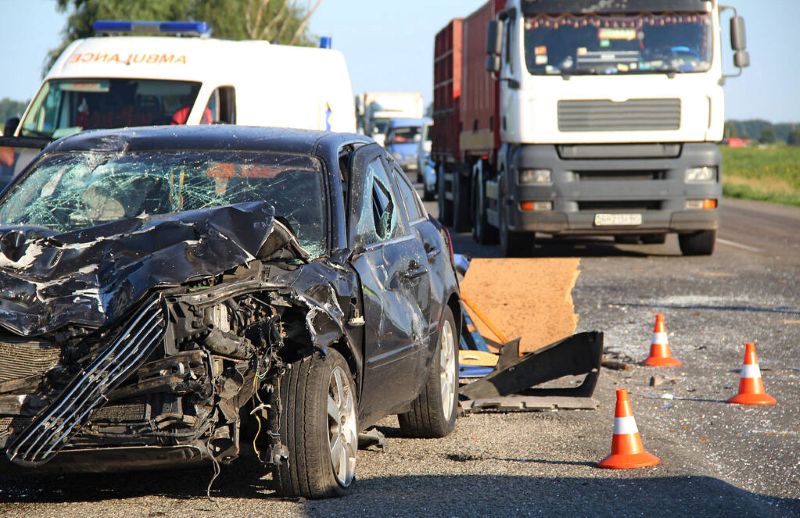
The emotional and physical challenges are often compounded by a significant and immediate financial strain. A car accident can quickly deplete savings, create substantial debt, and threaten a family’s long-term financial stability.
- Medical Expenses: Even with Canada’s universal healthcare, there are often out-of-pocket costs. These can include prescription medications, specialized equipment not fully covered, private physiotherapy or chiropractic treatments, psychological counseling, mobility aids, and home care services. Ambulance fees and immediate emergency room co-pays can also add up.
- Lost Wages: The injured individual may be unable to work, resulting in a loss of income. If family members take time off to provide care, attend appointments, or manage the household, their lost wages further compound the financial pressure. For long-term or permanent injuries, the loss of future earning capacity can be devastating.
- Vehicle Costs: The cost of repairing or replacing a damaged vehicle, along with potential rental car expenses during the repair period, can be substantial and immediate.
- Hidden Costs: These can include increased childcare costs if an injured parent can no longer provide care, transportation costs to numerous medical appointments, and potential home modifications needed to accommodate a family member’s new physical limitations.
- Legal Fees: While many personal injury lawyers work on a contingency basis (meaning they only get paid if you win), there are still administrative costs and the inherent stress of navigating complex legal and insurance systems. Dealing with multiple insurance companies (auto, health, disability) and understanding the nuances of policy limits and coverage can be a full-time job in itself, adding immense stress to an already overwhelmed family.
Navigating the Aftermath: Steps Towards Healing and Resolution
While the multi-faceted impact of a car accident on your family can feel overwhelming, it’s crucial to remember that there are proactive steps you can take to navigate these challenges and emerge stronger as a family unit.
- Prioritize Health and Well-being:
- Immediate Medical Attention: Always seek medical attention immediately after an accident, even if injuries seem minor. This is crucial for both your health and for establishing a documented medical history should you pursue a claim.
- Consistent Follow-up Care: Adhere to all medical advice, attend every appointment, and communicate openly with your healthcare providers. Consistency is key to both recovery and demonstrating the extent of your injuries.
- Mental Health Support: Do not underestimate the emotional impact. Seeking support from a professional therapist (individual or family), joining support groups, or exploring stress management techniques can be invaluable for coping with trauma, anxiety, and depression. Encourage open communication within the family about feelings and experiences.
- Understand Your Rights and Seek Legal Counsel:
- When to Call a Lawyer: After ensuring immediate safety and receiving necessary medical attention, contacting an experienced personal injury lawyer is critical.
- How Legal Professionals Help: A knowledgeable legal team can demystify complex Canadian traffic laws and insurance policies. They will investigate the accident, gather crucial evidence (police reports, witness statements, medical records), and negotiate with insurance companies on your behalf to secure fair compensation for your medical bills, lost wages, pain and suffering, and future care needs. They serve as your advocate, allowing your family to focus on healing while they handle the legal complexities.
- The Importance of Documentation: Keep meticulous records of everything: medical appointments, bills, prescriptions, transportation costs, lost wages, and all communication related to the accident. This documentation will be vital for any legal claim.
- Practical Steps:
- Notify your insurance company promptly after the accident.
- If safe to do so, document the accident scene with photos and videos immediately after the incident.
- Avoid making recorded statements to other insurance companies without first consulting your legal counsel.
Conclusion: Rebuilding and Moving Forward as a Family
A car accident can indeed have far-reaching and profound consequences for your family, touching upon your emotional, physical, and financial well-being. The journey through the aftermath is often challenging, marked by pain, uncertainty, and disruption.
However, by recognizing the potential challenges, proactively seeking both medical and mental health support, and enlisting the guidance of an experienced legal team, you can empower your family to navigate these difficult times. Remember that you are not alone; countless Canadian families have faced similar struggles, and there are comprehensive resources available to help you rebuild, heal, and emerge stronger as a family unit. Focusing on resilience, clear communication