Your Ultimate Buying Guide to Gemstone Jewellery
7 min read
1221 words
Welcome to the enchanting world of gemstones! From the fiery depths of a ruby to the cool tranquility of a sapphire, each gemstone tells a unique story, holding secrets of beauty, history, and personal significance. Whether you’re searching for an engagement ring, a meaningful gift, or a dazzling addition to your personal collection, buying gemstone jeweler can be both exciting and a little overwhelming.
This comprehensive guide is designed to demystify the process, transforming you from a curious admirer into a confident and informed buyer. We’ll uncover the “secrets” to evaluating quality, understanding value, and ultimately, choosing the perfect gemstone jewelry that resonates with your style and spirit. Let’s embark on this glittering journey together!
Unveiling the Allure: Why Choose Gemstone Jewelry?
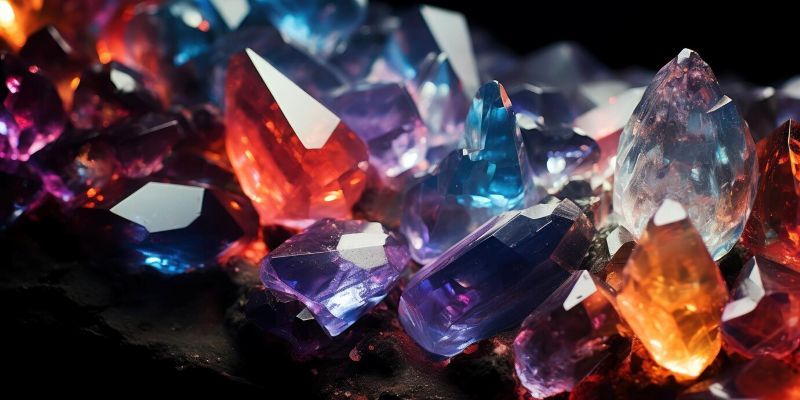
Gemstone jewelry stands apart with its unparalleled diversity and breathtaking colours. Unlike diamonds, which are prized for their brilliance and lack of colour, gemstones celebrate a vibrant spectrum, offering endless possibilities for personal expression. Each stone carries its own symbolism, from birthstone meanings to associations with love, wisdom, and prosperity, making them incredibly personal and cherished treasures. Opting for gemstone jewellery allows you to wear a piece of geological art, unique in its formation and appeal.
The Essential 4 Cs (and a Few More!) of Gemstone Evaluation
When buying gemstones, particularly for jewelry, understanding the key characteristics that influence their beauty and value is crucial. While diamonds have their “4 Cs,” gemstones require a slightly broader approach.
Colour: The Heart of the Gemstone
For most gemstones, colour is the single most important factor. It’s often evaluated by three components:
- Hue: The pure spectral colour (e.g., red, blue, green).
- Tone: The lightness or darkness of the colour.
- Saturation: The intensity or purity of the colour. Ideally, you want a stone with a rich, vivid, and evenly distributed colour, without any dullness or muddiness. For example, a “pigeon’s blood” ruby or a “royal blue” sapphire are highly prized for their exceptional hues.
Clarity: The Window to Perfection
Clarity refers to the presence or absence of inclusions (internal characteristics) or blemishes (external characteristics). While minor inclusions are natural and often expected in authentic gemstones, especially in coloured ones, they shouldn’t compromise the stone’s beauty or durability.
- Type I Gemstones: Often eye-clean (e.g., Aquamarine, Topaz).
- Type II Gemstones: Usually have some inclusions (e.g., Ruby, Sapphire, Garnet).
- Type III Gemstones: Almost always included (e.g., Emerald). A good clarity grade ensures optimal light performance and a clear view into the stone’s magnificent depths.
Cut: Unleashing the Sparkle
The cut of a gemstone refers to its proportions, symmetry, and polish. A well-executed cut maximizes the stone’s brilliance, fire, and scintillation, bringing out its inherent beauty. It also determines the shape of the stone (e.g., round, oval, emerald, cushion). A poor cut, even on a high-quality rough stone, can make it appear dull or lifeless. Look for a cut that showcases the gem’s colour and sparkle evenly across its surface.
Carat Weight: Size Matters (But Not Always)
Carat is the standard unit of weight for gemstones (1 carat = 0.2 grams). While a higher carat weight generally means a larger stone and therefore a higher price, it’s essential to remember that density varies between different types of gemstones. A 1-carat ruby will appear smaller than a 1-carat emerald because emerald is less dense. Always consider carat weight in conjunction with the other Cs for true value assessment.
Treatment & Enhancement: Transparency is Key
Many natural gemstones undergo treatments to enhance their colour or clarity. Common treatments include heating (for rubies, sapphires), oiling (for emeralds), and irradiation. While many treatments are widely accepted in the industry, it’s crucial that they are disclosed by the seller. Untreated stones of high quality are generally rarer and command higher prices. Always ask about any treatments a gemstone has received.
Origin: A Tale of Rarity and Romance
The geographic origin of a gemstone can sometimes influence its value and desirability. For instance, Burmese rubies, Kashmir sapphires, and Colombian emeralds are historically renowned for their exceptional quality and often fetch premium prices. While origin can be a romantic factor, remember that a beautiful stone from a lesser-known origin can still be of fantastic quality and value.
Precious vs. Semi-Precious: Understanding Gemstone Categories
Traditionally, only four stones were classified as “precious gemstones”: Diamond, Ruby, Sapphire, and Emerald. All other gemstones were considered “semi-precious.” However, this distinction is largely outdated and misleading. Many so-called “semi-precious” stones, like high-quality Alexandrite, Tanzanite, or Tsavorite Garnet, can be far rarer and more valuable than a low-quality ruby or sapphire. Focus on the individual beauty and characteristics of a stone rather than arbitrary classifications.
Navigating the Market: Where to Buy Gemstone Jewelry
Finding the right vendor is paramount for a successful and trustworthy purchase.
Reputable Jewelers
Established brick-and-mortar jewelers often offer expert advice, a curated selection, and reliable after-sales service, including warranties and repair. They are an excellent choice for significant purchases and complex gemstone jewelry pieces.
Online Retailers
The online market provides vast selection and competitive pricing. When buying gemstones online, choose retailers with transparent policies, high-resolution images/videos, detailed product descriptions (including treatments), and a strong return policy. Always check reviews and ratings.
Gemstone Fairs & Auctions
These can be sources for unique or rare finds, but often require a greater level of personal expertise to identify quality and value.
Essential Questions to Ask Before You Buy
Don’t be shy! A reputable seller will gladly answer your questions.
- Is the gemstone natural or synthetic? (Always prefer natural for value retention).
- Has the gemstone been treated or enhanced? If so, what treatment?
- Does it come with a certification? From which laboratory?
- What is your return policy and warranty?
- Is the jewelry ethically sourced?
Certification: Your Assurance of Authenticity
For higher-value gemstone jewelry, particularly rubies, sapphires, and emeralds, an independent laboratory report or gemstone certification is highly recommended. Reputable labs like GIA (Gemological Institute of America), AGS (American Gem Society), Gübelin, or SSEF provide unbiased assessments of a stone’s characteristics, origin, and any treatments, offering you peace of mind and an objective measure of its authenticity and quality.
Caring for Your Gemstone Treasures
Once you’ve made your purchase, proper gemstone care is vital to maintain its beauty.
- Cleaning: Most gemstones can be cleaned with warm soapy water and a soft brush. Avoid harsh chemicals and ultrasonic cleaners for delicate stones like emeralds, opals, or pearls.
- Storage: Store jewelry separately to prevent scratching.
- Wearing: Remove gemstone jewelry before engaging in vigorous activities, swimming, or household chores. Some stones are more durable than others; know your gem’s hardness.
Embrace Your Personal Style: Choosing the Right Gemstone for You
Ultimately, the most beautiful gemstone is the one you love and that speaks to you.
- Birthstones: A classic choice for personal significance.
- Meaning: Choose a stone whose symbolism resonates with you.
- Durability: Consider how often you’ll wear the piece. Sapphires and rubies are very durable for everyday wear, while emeralds and opals require more care.
- Colour: Trust your eye! What colors bring you joy?
Begin Your Gemstone Journey
Armed with this knowledge, you are now ready to confidently navigate the captivating world of gemstone jewelry. Remember, buying a gemstone is more than just a transaction; it’s an investment in beauty, meaning, and personal expression. Take your time, ask questions, and choose a piece that you will cherish for a lifetime. Happy hunting!