Eliminate Termites with these All-Natural tips
9 min read
1783 words
Termites. For homeowners, the mere mention of these minuscule, wood-munching insects sends a shiver down the spine. These pests are often called the silent destroyers for a terrifying reason: they can hollow out the structural integrity of your home for years without showing visible signs, leading to potentially catastrophic damage and repair bills that often soar into the tens of thousands of dollars.
The traditional reaction to a termite infestation involves reaching for harsh, potent chemical pesticides. While effective, these treatments carry significant drawbacks, posing risks to the health of your family, pets, and the surrounding environment.
But what if there was another way? Homeowners today are turning toward safe, sustainable, and highly effective all-natural methods to eliminate termites for good. By understanding the biology of these pests and leveraging nature’s own insecticides, you can protect your most valuable investment without resorting to hazardous chemicals.
Why Are Termites a Problem? The True Cost of Neglect
Termites are not just pesky invaders; they are serious structural threats. They primarily feed on cellulose, a component found in wood, paper, fabric, and numerous other building materials. In North America alone, termites cause billions of dollars in damage annually—often exceeding the combined damage caused by floods and fires.
The Structural Threat
Termites, particularly subterranean termites, build extensive tunnel systems (or mud tubes) that allow them to travel between the soil and the wood structure of your home while maintaining necessary moisture levels. As they consume the wood from the inside out, the damage remains invisible until the infestation is advanced. Signs that your home is structurally compromised include:
- Sagging or buckling floors and ceilings.
- Wood beams that sound hollow when taped.
- Difficulty opening windows or doors due to warped frames.
If left unchecked, a severe termite infestation can fundamentally compromise the load-bearing capacity of walls and foundations, threatening the safety and stability of the entire home.
The Chemical Conundrum
When homeowners call in professional exterminators, they often face treatments involving powerful chemical termiticides. While necessary in some extreme cases, many of these chemicals contain active ingredients that are persistent in the environment and may pose serious health risks. Exposure to these synthetic pesticides can lead to respiratory issues, neurological problems, and contamination of groundwater.
This dual threat—structural damage from the pests and health risks from the conventional treatments—makes the pursuit of effective, all-natural alternatives not just a preference, but a necessity for eco-conscious and health-minded homeowners.
How to Identify a Termite Infestation
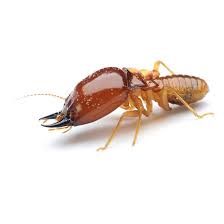
Before you can effectively fight back, you must confirm the presence of termites. Early detection is the single most important factor in minimizing damage and reducing treatment costs. Being observant and conducting regular inspections can save you a fortune.
Here are the key indicators of an active termite infestation:
1. Mud Tubes (Subterranean Termites)
Subterranean termites require moisture to survive and construct intricate tunnels made of dirt, wood, and saliva to travel between their underground colony and your home’s wood structure. These pencil-width “mud tubes” are usually found along the foundation, floor joists, or interior walls. The presence of even a single intact mud tube is a definitive sign of infestation.
2. Discarded Wings (Swarmers)
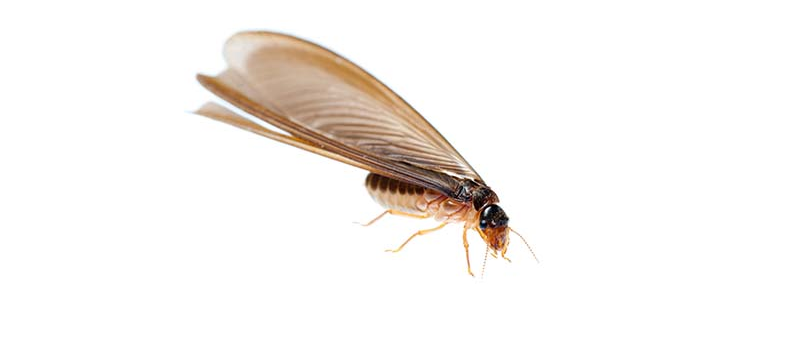
Termites reproduce through “swarmers,” which are winged adults that emerge from the colony to find new nesting sites. They shed their wings almost immediately after landing. If you find small piles of translucent, fish-scale-like wings, particularly near windowsills, doors, or light sources, it indicates a recent swarm and the likely presence of a colony nearby.
3. Hollow-Sounding or Damaged Wood
Knock on suspected wood areas, such as baseboards, door frames, or exposed timber in the basement or attic. Wood infested by termites will sound dull or hollow. In advanced cases, you may see visible maze-like patterns within the wood when the surface is punctured.
4. Frass (Drywood Termites)
Drywood termites, unlike their subterranean cousins, do not require contact with the soil. They leave behind small, six-sided fecal pellets known as frass. These tiny pellets look like sawdust or coarse coffee grounds and are often found in small mounds near infested wood beams.
If you observe any of these signs, it is crucial to take immediate, targeted action to prevent the infestation from growing.
All-Natural Tips for Termite Control: Safe Solutions That Work
The good news is that Mother Nature provides several powerful, non-toxic weapons against termites. These solutions rely on biological warfare or mechanical elimination, offering superior effectiveness without chemical residue.
1. The Microbial Hit Squad: Using Nematodes
What they are: Beneficial nematodes (specifically Steinernema feltiae and Heterorhabditis bacteriophora) are microscopic, unsegmented roundworms that are naturally occurring parasites of many garden pests, including termites. They are completely harmless to humans, pets, and plants.
How they work: When introduced into the soil, nematodes actively seek out termite larvae, eggs, and pupae. Once a nematode finds a host, it enters the termite’s body and releases a bacterium that multiplies rapidly, killing the termite within 48 hours. The nematode then consumes the deceased termite, reproducing and continuing the cycle.
Application: Nematodes must be applied directly to the soil where the colony is suspected to be nesting, typically around the foundation or in garden areas near the home. They are best applied in the early morning or evening when temperatures are cooler, as sunlight and heat can reduce their effectiveness.
2. The Cellulose Trap: Creating Simple Cardboard Bait
What it is: This method capitalizes on the termite’s primary food source: cellulose. Cardboard is inexpensive, easily accessible, and highly attractive to termites.
How it works: Cardboard serves two purposes: detection and temporary control. Termites will rapidly tunnel into the wet cardboard, establishing a temporary feeding station.
Application:
- Take several pieces of corrugated cardboard and soak them thoroughly in water.
- Place the damp cardboard near suspected termite hot spots (e.g., along the foundation, near structural wood, or in crawl spaces).
- Inspect the traps every few days. Once the cardboard is heavily infested (indicated by hundreds of termites crawling through the layers), carefully slide the pieces into a heavy-duty, sealed plastic bag.
- Immediately dispose of the bag, preferably by burning it or having it removed far from your property. This method physically removes a large number of worker termites, though it generally won’t eliminate the entire colony, making it a powerful supplement to other treatments.
3. The Dehydrator: Applying Diatomaceous Earth (DE)
What it is: Diatomaceous Earth (DE) is a naturally occurring soft, sedimentary rock that is ground into a fine white powder. It is composed of the fossilized remains of ancient, aquatic organisms called diatoms. Ensure you use food-grade DE, which is safe for use around humans and pets.
How it works: Unlike chemical insecticides, DE kills insects mechanically. When termites crawl across it, the tiny, sharp edges of the diatom skeletons lacerate the protective waxy layer of the termite’s exoskeleton. This mechanical damage causes the pest to rapidly dehydrate and die.
Application:
- Wear a dust mask to avoid irritation when spreading the fine powder.
- Sprinkle a thin, visible layer of DE around the entire perimeter of your home, focusing on entry points, cracks in the foundation, and areas where mud tubes are appearing.
- Blowing a thin layer into wall voids or crawl spaces using a bellows duster can also target hidden termites. Crucially, DE must remain dry to be effective. Reapply after rain or moisture exposure.
4. The Citrus Killer: Utilizing Orange Oil
What it is: Orange oil is derived from the peels of oranges and contains d-limonene, a volatile organic compound (VOC) that is nontoxic to mammals but highly lethal to many insects, including termites.
How it works: When d-limonene comes into contact with termites, it dissolves their exoskeletons and suffocates them almost instantly. Orange oil is particularly effective against localized infestations, such as drywood colonies located within a window frame or a specific piece of furniture.
Application:
- Purchase concentrated orange oil (or a commercial product using d-limonene).
- For localized treatment, drill small, precise holes into the infested wood where termite galleries are suspected.
- Inject the potent orange oil directly into these galleries to ensure it saturates the tunnels and reaches the termites inside.
- For mild surface applications and deterrence, mix orange oil with water and spray it onto susceptible areas.
Beyond Treatment: How to Prevent Future Infestations
Eliminating an active colony is only half the battle. Termites return to areas that provide attractive conditions. The most effective long-term defense involves managing the environment around your home.
1. Eliminate Wood-to-Soil Contact
Termites need direct access from the earth to the wood of your home. Creating an effective barrier is paramount:
- Foundation Clearance: Ensure that no wood structure (siding, trim, or decking) touches the soil. A minimum of 6 to 12 inches of concrete or foundation should be visible between the ground and the first piece of wood.
- Storage Practices: Move firewood, lumber, and other wood debris at least 20 feet away from the home’s foundation. Stack the wood off the ground on concrete or metal racks.
- Mulch Management: If you use wood mulch around your flower beds, keep a 6-inch gap between the mulch and your foundation wall. Consider switching to rubber mulch, gravel, or inorganic materials near the house.
2. Control Moisture Levels
Moisture is a termite’s best friend. Subterranean termites rely on damp environments for survival.
- Drainage: Ensure gutters and downspouts are clean and direct water away from the foundation (ideally 3 to 5 feet away).
- Fix Leaks: Immediately repair leaky faucets, pipes, and exterior AC units that drip onto the soil near the house.
- Ventilation: Properly ventilate crawl spaces and attics to reduce humidity, making the environment less hospitable to termites and discouraging wood rot.
3. Maintain Vigilance and Perform Regular Inspections
Even after successful treatment, regular inspection is key to catching new activity before it escalates.
- Annual Check: Perform a thorough annual inspection of your perimeter, basement, and crawl spaces. Pay close attention to areas that connect to the ground, looking specifically for small mud tubes, wood damage, or insect wings.
- Seal Entry Points: Caulk all cracks and openings in your foundation, utility entry points, and where pipes enter the home. While tiny, these can serve as entry points for pests.
Conclusion: A Safe, Termite-Free Future
Termites are a serious threat, but protecting your property doesn’t have to come at the expense of your family’s health or the environment. By embracing these powerful, all-natural strategies—from introducing beneficial nematodes to leveraging the dehydrating power of Diatomaceous Earth and the toxicity of orange oil—you can effectively eliminate existing infestations.
Couple these natural treatments with proactive moisture and wood management strategies, and you establish a robust, eco-friendly defense system. Say goodbye to harsh chemicals and hello to peace of mind. By taking immediate, natural action, you ensure the safety, stability, and longevity of your biggest investment: your home.