A Conversation about Jungle Cat World Wildlife Park
7 min read
1266 words
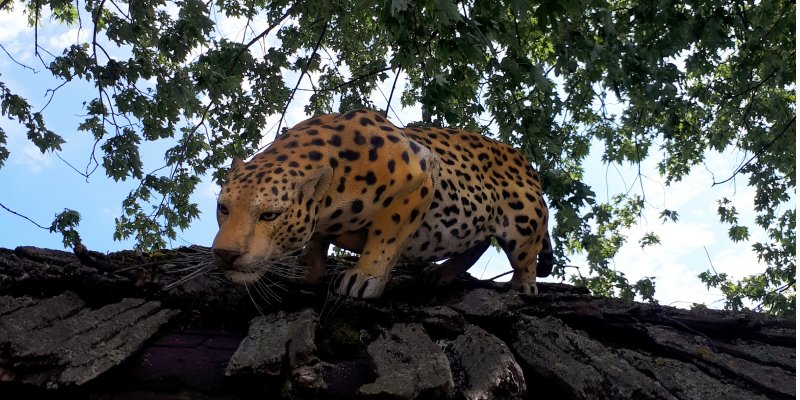
If you have ever driven along Highway 401 or taken a weekend road trip through Ontario, chances are you have seen signs for a “wildlife park,” “cat sanctuary,” or “exotic animal rescue.” Ontario is home to many roadside attractions, including Jungle Cat World Orono Ontario, a Jungle Cat World wildlife park where visitors can see animals such as lions, tigers, and other exotic species. For families looking for family attractions near Toronto or things to do in Orono Ontario, wildlife parks can be an exciting day trip option.
These types of Ontario wildlife parks and exotic animal attractions in Ontario can create memorable experiences for visitors, but they have also started important conversations about animal care and welfare.
If you are considering visiting Jungle Cat World, you may want to learn more about the experience before planning your trip. I shared my own visit and thoughts in The Truth About Jungle Cat World Wildlife Park: Review, where I look at what visitors can expect, along with some of the questions and concerns that have been discussed about wildlife attractions.
Some animal welfare advocates have raised concerns about the number of facilities in Ontario that keep exotic animals. They believe more attention is needed to make sure these animals receive proper care, enough space, and environments that support their physical and emotional needs.
As interest grows in Ontario zoos and wildlife parks, many visitors are also looking for honest wildlife park reviews before deciding where to spend their time and money. People are asking more questions about animal care, conservation, and what makes a responsible wildlife experience.
Let’s take a closer look at why Ontario has so many roadside wildlife attractions, what animal welfare concerns have been raised, and why more people are researching these experiences before visiting.
Jungle Cat World and the Rise of Ontario Wildlife Parks
Ontario’s roadside animal parks began appearing decades ago. Some started as small family-owned businesses that combined tourism with the opportunity to educate visitors about wildlife.
Over time, more facilities opened across the province, especially near busy highways and popular travel routes. Their convenient locations made them easy stops for families looking for something different to do during a road trip.
Several factors helped these attractions become popular:
Easy Access
Ontario has a large highway system, making it simple for travelers to stop at wildlife parks without planning an entire day around a visit.
Growing Interest in Exotic Animals
Many people are fascinated by animals they would normally only see in documentaries or books. The chance to see a lion, tiger, or other large animal up close can be exciting.
Marketing Appeal of Jungle Cat World
Phrases like “see lions up close” or “meet exotic animals” attract visitors looking for unique experiences and family memories.
However, as these attractions have become more common, they have also faced increased attention from animal welfare groups and concerned visitors.
Jungle Cat World and Animal Welfare Concerns
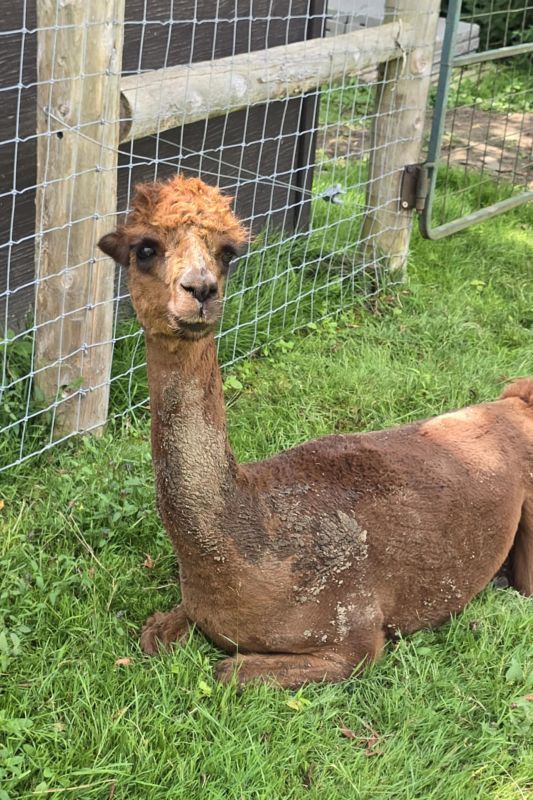
In recent years, more people have started asking questions about how exotic animals are cared for in smaller wildlife parks and animal attractions.
Social media, news reports, and animal welfare campaigns have brought more attention to concerns about animal living conditions, visitor experiences, and the way wildlife is presented to the public.
A 2019 report raised concerns about two Ontario wildlife attractions and whether some of their practices followed international animal welfare guidelines. The report looked at issues involving animal interactions and visitor experiences. You can read more about these concerns in this CBC article: 2 Ontario zoos are violating global guidelines for animal safety: advocacy group.
Another concern that has received attention involves wildlife encounters and animal interactions. In 2019, Durham Radio News reported on concerns raised by animal welfare advocates about activities at Jungle Cat World, including photo opportunities with big cats and other animals. Advocates questioned whether these types of experiences are appropriate for wildlife and whether they encourage responsible ways of viewing animals. You can read more about this discussion here: Orono’s Jungle Cat World offers ‘cruel, outdated activities’ according to a global report on zoos.
These concerns are part of a larger conversation happening around wildlife attractions in Ontario. Many visitors are becoming more interested in places that focus on animal education, conservation, and responsible care.
Some of the concerns often discussed include:
Enclosure Size and Enrichment
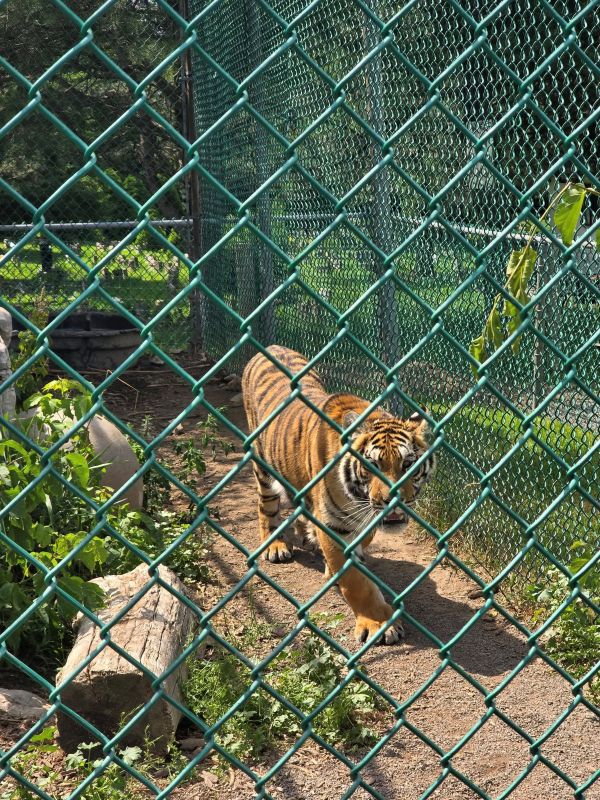
Many critics believe some animals may not have enough space to move, explore, and behave naturally. Animals such as lions and tigers can travel large distances in the wild, and some experts believe their needs can be difficult to meet in smaller enclosures.
Veterinary Care
Exotic animals require specialized care from veterinarians who understand their unique health needs. Questions have been raised about whether all wildlife facilities have regular access to experienced exotic animal professionals.
Transparency
Some visitors and animal advocates believe more information should be available about inspections, animal care standards, and facility practices. They believe clear information helps people make informed choices about which attractions they support.
Jungle Cat World and the Debate Over Wildlife Park Standards
Concerns about exotic animal facilities have led to calls for stronger regulations and higher standards.
Animal welfare advocates have suggested improvements such as:
Stronger Permit Requirements
Facilities that keep exotic animals may need clearer rules before they are allowed to operate.
Regular Inspections
Some advocates support more frequent inspections to ensure animals are receiving proper care.
Higher Care Standards
Supporters believe facilities should provide appropriate habitats, enrichment activities, and access to proper veterinary care.
Some communities have also introduced local rules that limit where exotic animal facilities can operate.
Jungle Cat World Reviews: What Visitors Should Consider Before Visiting
The conversation about roadside wildlife parks is continuing. For many families, visiting a wildlife attraction is a chance to learn about animals and develop a greater appreciation for nature.
Before visiting, families can take a few simple steps:
- Research the facility before buying tickets.
- Read recent visitor reviews.
- Look for information about animal care practices.
- Consider whether the attraction focuses on education and conservation.
- Ask questions about how the animals are cared for.
Supporting responsible wildlife education helps encourage better experiences for both animals and visitors.
Frequently Asked Questions About Jungle Cat World
Where is Jungle Cat World located?
Jungle Cat World is located in Orono, Ontario.
What animals can you see at Jungle Cat World?
Visitors can see animals such as lions, tigers, and other exotic species.
Is Jungle Cat World worth visiting?
Jungle Cat World offers a unique wildlife experience, but visitors should research the attraction and decide if it fits their expectations.
The Future of Jungle Cat World and Ontario Wildlife Parks
As people become more aware of animal welfare issues, the future of wildlife parks in Ontario may continue to change. Visitors are becoming more interested in attractions that focus on education, conservation, and responsible animal care.
For places like Jungle Cat World, ongoing conversations about wildlife experiences and animal welfare show why it is important for visitors to ask questions and do their research before planning a trip.
The goal is to find a balance between helping people learn about amazing animals and making sure those animals receive the care, space, and respect they deserve.
The next time you see a sign for a wildlife park along an Ontario highway, take a moment to learn more before stopping. Reading Jungle Cat World reviews, looking into animal care practices, and understanding different viewpoints can help you make an informed choice.
Ontario’s wildlife deserves thoughtful care, and visitors have the power to support wildlife attractions that put education, conservation, and animal welfare first.