
Why a Digital Recorder is Your Most Underrated Creative Tool
5 min read
865 words
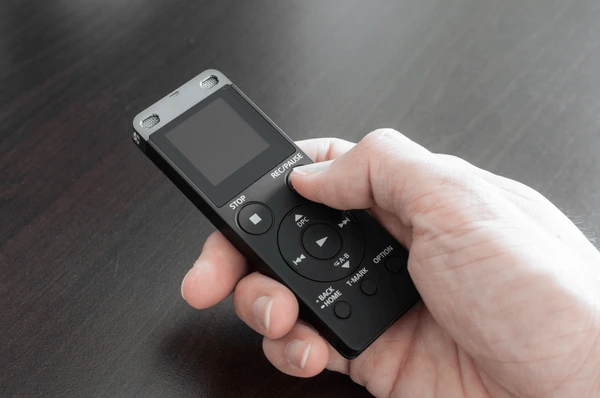
Have you ever had a brilliant idea strike in the middle of the night? A melody that appears out of thin air, a perfect line of dialogue for your story, or a groundbreaking business concept that you know you’ll forget by morning? We’ve all been there, fumbling for a pen or frantically typing into our phones, hoping to preserve that fleeting spark of genius. But what if you could capture not just the idea, but its essence? The tone, the rhythm, the emotion. This is the magic of the modern digital recorder. Forget the hissing, clunky tape recorders of the past. Today’s devices are powerful, portable studios capable of capturing sound with a clarity so pristine it’s like being there. They are the ultimate tool for musicians, journalists, filmmakers, students, and anyone who understands that some moments deserve to be saved in perfect fidelity. It’s time to stop just taking notes and start capturing reality.
From Soundwave to Digital Soul: How It Works
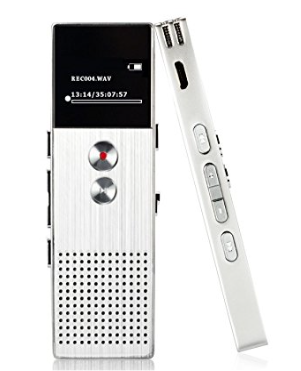
So, how does a small, handheld device turn a real-world sound—like a guitar strum or a human voice—into a perfect digital file you can edit, share, and keep forever? The process is a beautiful blend of physics and computing, but you don’t need an engineering degree to appreciate it.
Think of it like taking a high-speed series of photographs of a soundwave.
- The Microphone as the Lens: First, the microphone acts like the recorder’s ear. It contains a diaphragm that vibrates when soundwaves hit it. These vibrations are converted into a tiny, continuous electrical signal—an analog wave that perfectly mirrors the original sound.
- The Converter as the Shutter: This is where the magic happens. The analog signal flows into a component called an Analog-to-Digital Converter (ADC). The ADC’s job is to measure, or “sample,” this electrical wave thousands of times per second.
- Sample Rate determines how often it measures the wave. A standard CD-quality recording uses 44,100 samples per second (44.1kHz). Higher-end recorders can sample at 96kHz or more, capturing incredibly subtle details, much like a high-speed camera captures more frames per second for smooth slow-motion.
- Bit Depth determines how much information is in each sample. A 16-bit recording can describe over 65,000 different levels of loudness, while a 24-bit recording can describe over 16 million. This gives you a massive dynamic range, allowing you to capture everything from a whisper to a shout without distortion.
This stream of digital measurements is then stored as a file (like a WAV or MP3) on a memory card. The result? A perfect, precise digital replica of the original sound. Unlike analog tape, it won’t degrade over time. You can make a million copies, and each one will be an identical, flawless clone of the first. You have effectively bottled lightning.
Finding Your Perfect Match: The Best Recorders for Your Mission
Choosing a digital recorder isn’t about finding the “best” one—it’s about finding the right one for you. The perfect device will feel like an extension of your creative process, empowering you to capture audio effortlessly. Here are our top contenders, categorized for your specific needs:
For the Student, Journalist, and Idea-Catcher: The Sony ICD-PX470
You need simplicity, reliability, and portability. The Sony ICD-PX470 is your champion. It’s slim, has an incredible battery life, and features a built-in USB connector for instant file transfers to your computer. Its genius lies in its voice-focused features, like an intelligent noise-cut function that clarifies speech in noisy lecture halls or coffee shops. Don’t let its affordable price fool you; this is a serious tool for anyone whose primary goal is capturing the spoken word with absolute clarity.
For the Musician and Podcaster: The Zoom H4n Pro
The H4n Pro is a legend for a reason. It’s the Swiss Army knife of audio for creators. Its built-in X/Y stereo microphones capture a rich, immersive soundscape that’s perfect for recording acoustic sessions, band rehearsals, or podcast interviews. More importantly, it features two professional-grade XLR inputs, allowing you to plug in high-end microphones for studio-quality vocals. With multitrack recording, you can layer instruments and voices on the fly. This isn’t just a recorder; it’s a portable recording studio that will elevate your audio from amateur to professional.
For the Filmmaker and Sound Designer: The Zoom H6
When your audio cannot fail, you turn to the Zoom H6. This is the workhorse for independent filmmakers, sound designers, and anyone who needs ultimate flexibility and pristine quality. Its standout feature is its modular, interchangeable microphone system—swap from a stereo mic to a shotgun mic in seconds. With a stunning six tracks of simultaneous recording and incredibly clean preamps that produce virtually no background hiss, the H6 gives you the power to capture complex audio scenes with confidence. It’s the device that ensures your sound is as cinematic as your visuals.
Ultimately, a digital recorder is an investment in your ideas. It’s a promise to yourself that the next time inspiration strikes, you won’t just remember it—you’ll relive it. Choose the one that fits your world, and never let a great sound escape again.

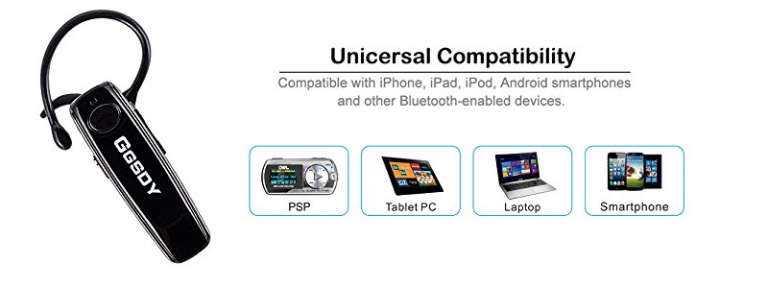

I have an MP3 player from this brand and it works great!
My hubby and daughter would love this…