Toy Heroes: More Than Just Playthings: First Mentors
6 min read
1130 words
Remember that worn-out teddy bear with one button eye? Or the action figure, its plastic cape frayed from countless imaginary battles? We all have them, those silent companions of our childhood, the plastic and plush figures that shaped our early understanding of heroism, friendship, and the very fabric of good versus evil. These aren’t just toys; they are Toy Heroes, and their impact on our developing minds is far more profound than we often acknowledge.
In a world that can feel overwhelming and complex, children naturally gravitate towards simplified narratives. Toy Heroes offer precisely that – clear-cut ideals, identifiable villains, and the exhilarating promise that good will ultimately triumph. They are the first mentors we ever have, providing us with foundational lessons that resonate through our lives. Let’s delve deeper into why these seemingly simple objects hold such extraordinary power.
The Power of Archetypes: Shaping Our Moral Compass
At their core, Toy Heroes are tangible embodiments of archetypes. Think about it: the brave knight, the wise wizard, the resourceful explorer, the compassionate caregiver. These are characters that have echoed through human stories for millennia, and toys bring them to life in a way that is both accessible and engaging for young minds.
When a child picks up a toy superhero, they aren’t just pretending to fly. They are internalizing the concept of courage. They are experimenting with the idea of using their strength for good. The narrative they create, even unconsciously, often involves protecting the innocent, overcoming obstacles, and standing up for what’s right. These are powerful moral lessons delivered through the purest form of learning: play.
Furthermore, the binary opposition of hero and villain that is so prevalent in the toy aisle provides a crucial framework for understanding morality. While the real world is often shades of grey, children need those initial clear distinctions to build their moral compass. The satisfaction of seeing their Toy Hero defeat the villain in their imaginative play reinforces the value of justice and fairness. This early exposure to ethical dilemmas, however rudimentary, helps lay the groundwork for more complex moral reasoning as they grow.
Beyond the grand pronouncements of justice, Toy Heroes also teach us about other vital character traits. The loyal sidekick, often a smaller, less flashy toy, instills the importance of friendship and teamwork. The inventor hero, with their gadgets and gizmos, sparks an interest in problem-solving and innovation. Even the characters who face setbacks and learn from their mistakes offer invaluable lessons in resilience and perseverance. These aren’t just fictional characters; they are role models who provide a safe space for children to explore different facets of personality and behavior.
From Imagination to Embodiment: The Transformative Nature of Play
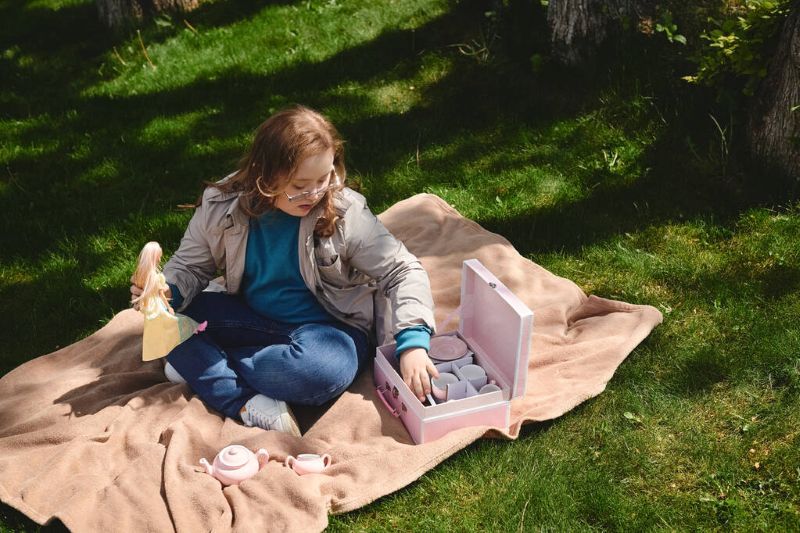
The magic of Toy Heroes lies in their ability to bridge the gap between imagination and embodiment. A child holding a toy is not merely an observer; they are an active participant. This immersion in play is where true learning happens.
When a child embodies their Toy Hero, they are not just mimicking actions; they are exploring different identities and perspectives. They might try on the persona of a strong, decisive leader, or perhaps the nurturing protector. This psychological exploration is crucial for developing self-awareness and understanding their own capabilities and desires.
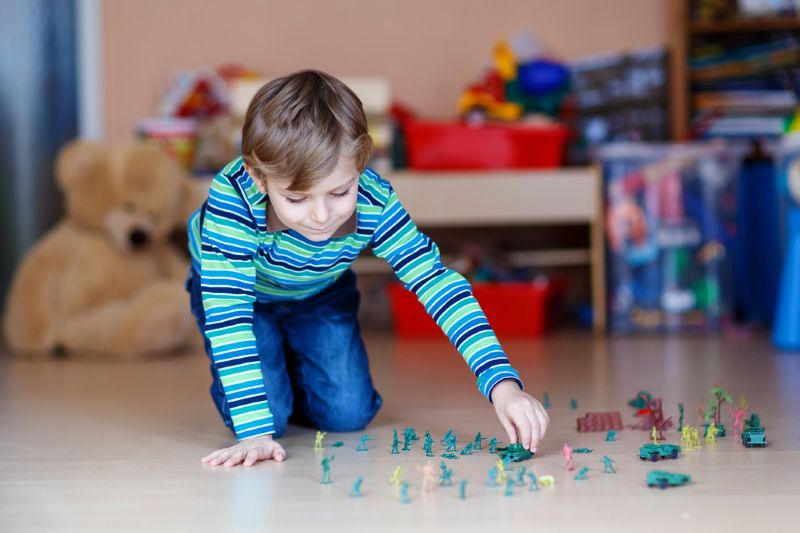
Consider the child meticulously arranging their army of toy soldiers or their collection of superhero figures. This isn’t just about organization; it’s about creating order in their world, about understanding strategy, and about practicing leadership skills. The narratives they construct, the battles they wage, and the rescues they orchestrate are all exercises in creative thinking and problem-solving. They learn to adapt, to improvise, and to overcome challenges within the safe confines of their playroom.
Moreover, the tactile nature of toys is incredibly important. The feel of the plastic, the texture of the fabric, the weight of the figure in their hand – these sensory experiences anchor the imaginative play in a tangible reality. This physical engagement enhances the learning process, making it more memorable and impactful. It’s this act of doing – of physically manipulating and interacting with their Toy Heroes – that transforms abstract concepts into concrete experiences.
The durability of well-loved, even broken, toys speaks volumes about their enduring presence in a child’s life. That missing arm on a Transformer or the faded paint on a doll doesn’t diminish their heroic status; it often enhances it, signifying the countless hours of adventures and the deep emotional connection forged between child and toy. These imperfections become part of the hero’s story, teaching children that true strength isn’t always pristine perfection, but resilience and the ability to keep going despite challenges.
Beyond the Playroom: Lasting Legacies of Our Toy Heroes
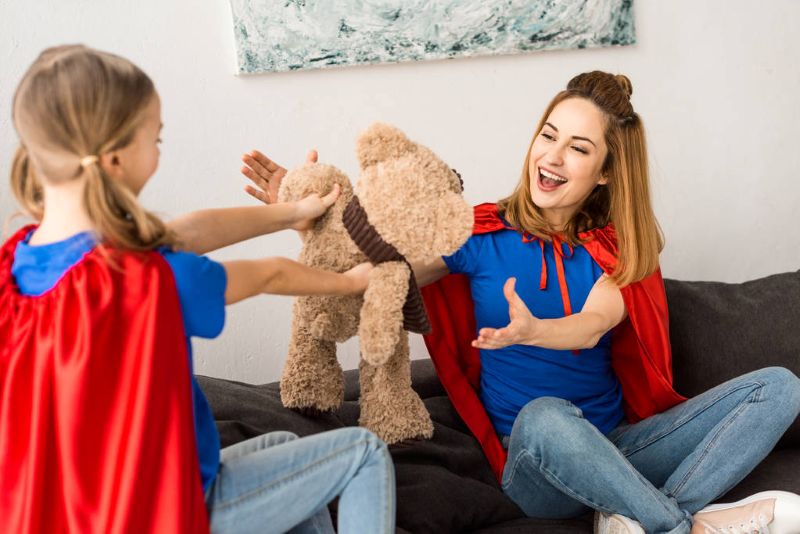
As we grow older, the physical forms of our Toy Heroes may gather dust in attics or be passed on to a new generation. However, the lessons they impart remain deeply ingrained within us. The courage to try something new, the empathy to comfort a friend, the determination to finish a difficult task – these are all qualities nurtured by our early interactions with these silent sentinels of our childhood.
Think about your own adult life. When you face a daunting challenge at work, do you ever recall the feeling of your Toy Hero overcoming an impossible foe? When you need to stand up for someone, is there a whisper of that beloved action figure’s unwavering resolve? These echoes are not accidental. They are the lasting legacy of the formative experiences play provides.
Our Toy Heroes shape our aspirations. They introduce us to the concepts of heroism and altruism, planting seeds that can blossom into lifelong passions for helping others, pursuing justice, or protecting the environment. They might inspire a career path, a volunteer endeavor, or simply a more compassionate outlook on life.
Furthermore, the shared experience of playing with Toy Heroes often fosters social bonds. Trading figures, collaborating on imaginative scenarios, and discussing favorite characters with friends creates a sense of community and belonging. These early social interactions, facilitated by our shared love for these playthings, are crucial for developing social skills and understanding different perspectives.
In conclusion, let us not underestimate the profound impact of Toy Heroes. They are more than just objects; they are catalysts for growth, incubators of morality, and architects of character. They offer us our first glimpses into the complexities of life, simplified through the lens of play. So, the next time you see a child engrossed in imaginative play with their Toy Heroes, remember that you are witnessing something truly powerful: the shaping of a future leader, a compassionate soul, a resilient individual. You are witnessing the indelible mark of our first, and perhaps most enduring, mentors. Let’s celebrate these unsung heroes and the invaluable role they play in shaping the generations to come.