A Comprehensive Guide to the Outdoor Weather Thermometer
8 min read
1504 words
In an era dominated by instantaneous digital forecasts accessed via smartphones, the humble outdoor weather thermometer might seem like a relic. Yet, for homeowners, gardeners, and those truly interested in hyper-local climate data, no app can truly replace the accurate, real-time measurement provided by a reliable exterior thermometer. Understanding the immediate temperature right outside your window is not merely a matter of curiosity; it is a critical component of safety, energy efficiency, and preparedness. Unlike broadcast weather reports, which average readings across vast metropolitan areas, your personal outdoor thermometer delivers the precise conditions that directly impact your property, your plants, and your daily decisions. This expansive guide delves into the technology, functionality, and strategic utilization of the outdoor weather thermometer, ensuring you are equipped not only to read the temperature but to understand the environment around you fully.
The Technology Behind the Temperature: Analog vs. Digital Outdoor Thermometers
The world of outdoor thermometers offers a surprisingly diverse range of technologies, each providing a unique method for translating thermal energy into a readable scale. Choosing the right type depends on your need for accuracy, durability, and convenience.
Analog Thermometers: Relying on Physical Principles
Analog thermometers, often prized for their reliability and lack of reliance on power sources, utilize fundamental physical properties to measure temperature:
1. Fluid-in-Glass Thermometers (Liquid Expansion)
These are the most classic form. They operate on the principle of thermal expansion. As the ambient temperature rises, the liquid sealed inside (historically mercury, but now predominantly alcohol or mineral spirits dyed red) expands up a narrowly calibrated glass tube.
- Pros: Highly visible, requires no batteries, and extremely durable if not physically broken.
- Cons: Can be slow to react to rapid temperature changes; precision requires careful reading.
2. Bimetallic Strip Thermometers (Mechanical Deformation)
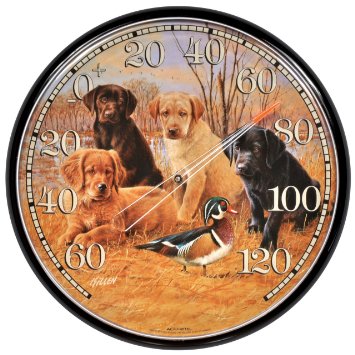
Commonly found in dial-style outdoor thermometers, these devices use a bimetallic strip—two different metals (like brass and iron) welded together. Because different metals expand and contract at different rates when heated or cooled, temperature fluctuations cause the strip to coil or uncoil slightly. This mechanical movement is linked to a dial pointer, providing the reading.
- Pros: Robust, affordable, and easy to read from a distance.
- Cons: Generally less accurate than fluid-in-glass or digital sensors; often susceptible to calibration drift over time.
Digital Thermometers: Precision and Connectivity
Digital outdoor thermometers use sophisticated electronic sensors to measure temperature, offering benefits in speed, precision, and integration.
1. Thermistor Technology
Most modern digital household thermometers use thermistors—resistors sensitive to temperature changes. As the temperature rises, the electrical resistance of the thermistor material drops, and vice versa. This electrical change is precisely measured by a circuit and displayed as a numerical reading.
- Pros: Exceptionally fast response time, high degree of precision (often within 0.1°F or C), and can store minimum/maximum temperature data.
- Cons: Requires batteries or solar power; susceptible to electromagnetic interference (EMI).
2. Remote Sensors and Connectivity
The most popular configurations today involve a remote, wireless sensor placed outside and a display unit kept indoors. These systems often utilize radio frequencies (RF) to transmit data, sometimes linking to home weather stations that also measure humidity, wind speed, and barometric pressure. These systems offer unparalleled convenience, allowing you to monitor exterior conditions without ever stepping outside.
Achieving Peak Accuracy: Strategic Placement and Environmental Factors
A thermometer is only as accurate as its location allows. Incorrect placement is the single biggest error most users make, leading to misleading data that can skew gardening plans, heating adjustments, and clothing choices.
To ensure your thermometer is capturing the true ambient air temperature—the metric that meteorologists and climatologists use—specific criteria for placement must be met. This is often referred to as getting an “unbiased reading.”
The Cardinal Rules of Thermometer Placement
1. Shade is Non-Negotiable
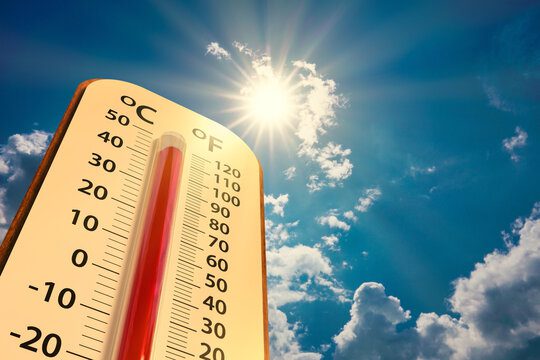
The most crucial rule is to place the thermometer where it will never be exposed to direct sunlight, regardless of the season or time of day. Direct solar radiation causes the thermometer casing and the sensing element itself to absorb heat, sometimes inflating the reading by 10 to 20 degrees.
- Best Location: A north-facing wall or beneath a deep eave or porch overhang. The sensor should ideally be housed in a protective case (like a Stevenson screen, or a simple white plastic box with vents) to prevent radiant heat absorption while allowing air circulation.
2. Height Matters
Standard meteorological protocol dictates that temperature should be measured at a height representing average human and plant elevation, while avoiding ground effects.
- Recommended Height: 5 to 6 feet (1.5 to 1.8 meters) above the ground. Placing the thermometer too close to the ground can subject it to radiant heat stored in pavement or soil, especially during the day.
3. Avoid Heat Sources and Sinks
Thermometers must be positioned away from structural elements that store or generate heat.
- Eliminate Proximity to:
- Vents and Exhausts: Dryer vents, HVAC exhausts, or kitchen vents.
- Reflective Surfaces: Brightly painted walls, glass windows (which can create a greenhouse effect), or metal railings.
- Thermal Mass: Large concrete patios, asphalt driveways, or uninsulated walls that absorb heat all day and radiate it outward after sunset.
4. Ensure Air Circulation
While the thermometer needs protection from rain and direct sun, it must be subject to the natural flow of air. Avoid placing it in small, stagnant pockets or enclosed structures that inhibit natural ventilation.
If you are using a remote sensor, ensure that the wireless signal strength is strong enough to maintain a consistent connection with the indoor display unit, as frequent data loss will compromise the utility of the readings.
Beyond the Reading: Practical Applications of Local Temperature Data
An accurate local temperature reading is more than just a piece of trivia; it is a vital data point that informs critical decision-making across household and lifestyle categories.
1. Gardening and Agriculture (Monitoring Microclimates)
Gardeners rely heavily on localized temperature data to protect vulnerable plants. Knowing the exact overnight low is essential for preemptive action against frost.
- Frost Protection: The indoor forecast might predict 35°F, but if your backyard microclimate (due to elevation or proximity to a cold stream) drops to 32°F, your delicate plants will suffer. Your thermometer provides the final, critical confirmation necessary to deploy row covers or temporary shelters.
- Planting Timelines: Soil warming rates are highly dependent on air temperature. Monitoring your daily highs helps determine the optimal time to transplant seedlings or sow temperature-sensitive seeds.
2. Home Energy Management
Heating and cooling systems operate most efficiently when paired with accurate outside data.
- Thermostat Calibration: Smart thermostats often integrate with localized weather data, but sometimes rely on generalized regional information. An accurate outdoor thermometer helps you manually or digitally confirm true demand, preventing unnecessary heating during mild mornings or excessive cooling during short warm spells.
- Window and Ventilation Strategy: Knowing the precise outdoor temperature allows you to utilize passive heating or cooling. If the interior is warm but the outdoor temperature is dropping quickly after sundown, opening windows for ten minutes can drastically reduce your reliance on air conditioning.
3. Personal Safety and Comfort
Outdoor temperature directly influences health and daily preparation.
- Vehicle Preparation: Knowing the overnight low is crucial for determining if frost or black ice formation is likely, impacting commuting safety and allowing time to scrape windshields.
- Pet Safety: Specific temperature thresholds are critical for protecting domestic animals. Readings confirm when it is dangerously hot for walks on pavement or dangerously cold for prolonged time outdoors.
4. Climate Data Logging
For the environmentally conscious or scientifically minded homeowner, consistent record-keeping of daily min/max temperatures contributes to valuable personal climate data. Over months and years, this logging can highlight subtle changes in your immediate environment, helping you understand long-term regional weather trends and microclimate shifts.
Maintenance and Longevity: Keeping Your Thermometer Reliable
Even the simplest analog thermometer requires occasional attention to maintain peak accuracy.
Troubleshooting and Calibration
- Analog Thermometers (Bimetallic Dial): These often lose calibration. If you suspect inaccuracy, check the reading against a known accurate standard (like a digital laboratory thermometer) or a verified official weather source nearby. Many dial thermometers have a small adjustment screw on the back, allowing you to manually align the pointer if it drifts.
- Digital Thermometers: Accuracy issues usually relate to battery life, signal interference, or sensor corrosion. Ensure batteries are fresh and the plastic sensor casing is clean. If the reading is erratic, try relocating the sensor away from large metal objects or high-traffic electronic devices.
Seasonal Care
Exposure to the elements can degrade thermometer components over time.
- Cleaning: Dust and debris can inhibit air circulation around the sensor element. A gentle cleaning with a soft cloth and mild soap (avoiding harsh chemicals) every few months is recommended.
- Protection: In areas with extreme weather (e.g., heavy ice or intense solar exposure), consider installing a permanent, ventilated housing (like a small wooden or plastic canopy) specifically designed to shield the sensor without restricting airflow.
By understanding the fundamental principles behind temperature measurement and adhering to best practices for strategic placement, the outdoor weather thermometer remains an indispensable tool—a constant, reliable source of localized data vital for safety, efficiency, and a deep appreciation of the immediate world around you.